At any given moment, somewhere in the world, a life may depend on a simple decision—one that takes only minutes, yet carries an impact that can last for years. This decision is blood donation: a profoundly humane act measured not by the effort it requires, but by the lives it saves and the hope it restores.
Blood donation remains one of the most essential pillars of healthcare systems worldwide. Hospitals rely on it daily to support patients undergoing surgery, victims of accidents, and those suffering from severe bleeding. It is also vital for individuals battling cancer and chronic blood disorders. Despite its importance, many people still hesitate to donate—often due to fear, lack of awareness, or common misconceptions.
Some believe that donating blood may cause long-term weakness or negatively affect health. In reality, the process is governed by strict medical standards designed to ensure the donor’s safety above all. Eligible donors are typically between 18 and 65 years of age, in good health, and weigh at least 50 kilograms. Each donation is preceded by a series of careful assessments to ensure the procedure is entirely safe.
The Donation Process: Simple and Safe
The process begins with completing a detailed health questionnaire covering medical history, current medications, past surgeries, and recent travel to areas associated with infectious diseases. Lifestyle factors are also reviewed, as certain conditions may require temporary deferral to protect both donor and recipient.
This is followed by a brief clinical examination, during which vital signs—such as blood pressure, heart rate, temperature, and sometimes respiratory rate—are measured. These indicators provide an initial assessment of the donor’s overall health and readiness.
A key step is measuring haemoglobin levels, the protein responsible for carrying oxygen in red blood cells. This quick and simple test, usually done using a small finger prick, is essential. Low haemoglobin may indicate anaemia, in which case donation is postponed until levels return to normal.
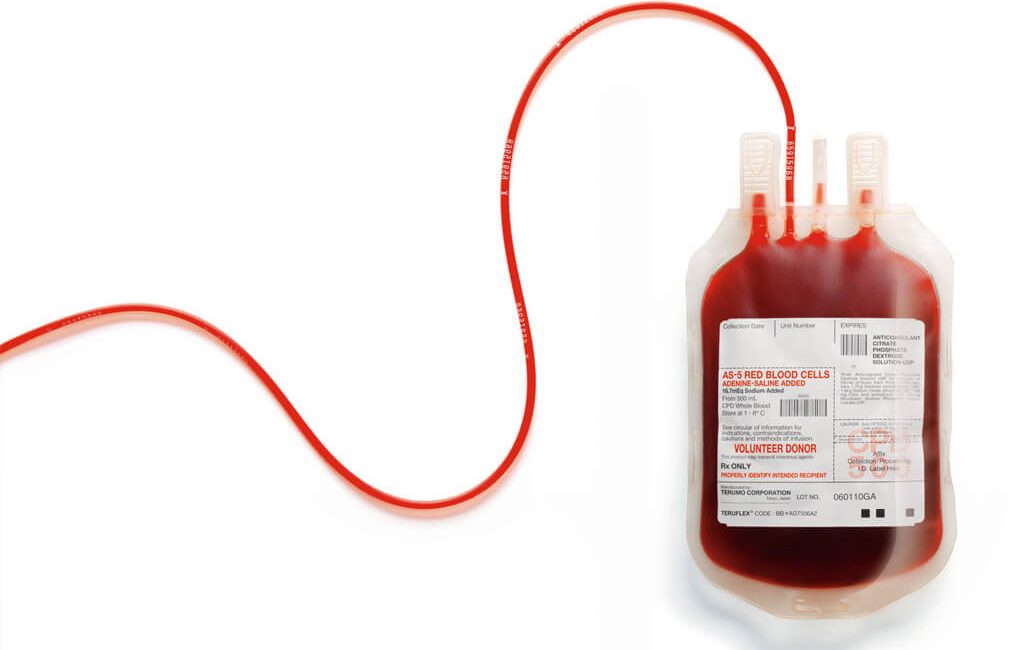
Once all criteria are met, the donation itself takes place in a sterile and controlled medical environment. The needle insertion site is carefully disinfected, and blood is collected into a specialised bag while the donor remains comfortably seated or lying down. The actual collection process typically lasts between 10 and 15 minutes, with approximately 450 to 500 millilitres of blood drawn—a relatively small amount compared to the body’s total blood volume.
How the Body Recovers
The human body has a remarkable ability to recover after donation. Lost fluids are replenished within a few hours, plasma is restored within 24 to 48 hours, and red blood cells are gradually replaced over several weeks through bone marrow activity. During this time, the body continues to function normally, particularly with proper nutrition and adequate rest.
Some studies suggest that regular blood donation may stimulate bone marrow to produce new blood cells more efficiently. This contributes to the natural renewal of blood components and supports overall circulatory balance. In this sense, donation is not merely a loss—it is also a process of regeneration.
Beyond Physical Benefits
The impact of blood donation extends beyond physical health. Donors often experience a deep sense of fulfilment and belonging, knowing they have played a role in saving a life or easing someone’s suffering. This form of giving may not be visible, but it leaves a lasting emotional impact.
From a medical perspective, a single unit of donated blood can be separated into multiple components—red blood cells, platelets, and plasma—meaning one donation can potentially benefit several patients, each according to their specific needs.
After Donation: What to Expect
Following a donation, it is advisable to avoid strenuous physical activity—such as heavy lifting or intense exercise—for the remainder of the day, allowing the body time to recover. Most donors, however, can return to their normal routines within a few hours without any noticeable effects.
An interval of two to three months is generally recommended between donations. In certain cases—such as fever, acute infections, pregnancy, or recent surgery—donation should be postponed temporarily.
Addressing Common Misconceptions
It is important to correct widespread myths surrounding blood donation. Claims that it weakens the immune system or causes weight gain are unfounded and unsupported by scientific evidence. Some donors may experience mild, temporary dizziness, but this is a normal and harmless reaction. The entire process is conducted under medical supervision to ensure donor safety at every stage.
Conclusion
Despite its many benefits, the demand for blood remains constant due to ongoing needs arising from accidents, surgeries, and chronic illnesses. Ensuring a steady supply is therefore a shared societal responsibility.
Raising awareness and fostering a culture of regular blood donation are essential steps towards strengthening community solidarity. Supported by healthcare institutions and media efforts, this simple act can become a powerful habit—one that requires little time or effort, yet has the potential to save countless lives.
By: Dr Badreyya Al-Harmi, public health consultant