Since the earliest use of air power in warfare, through the Cold War and into the post-Cold War era, a range of factors has elevated the importance of strategic bombing. It has long been perceived as a relatively low-cost means of deterring threats against the state, and, when necessary, a decisive instrument for defeating adversaries. Alongside this perceived utility, however, an enduring debate has persisted within military literature regarding the actual effectiveness of air campaigns in altering adversaries’ behaviour—ultimately compelling them to concede or surrender.
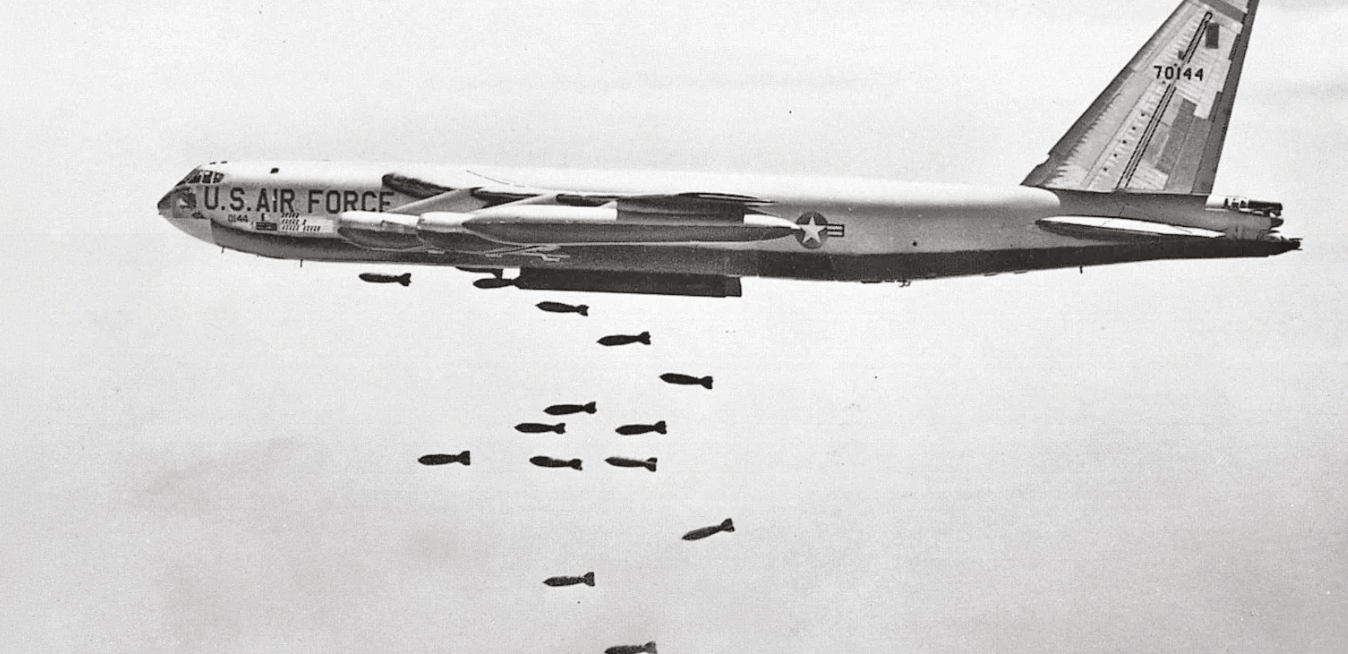
This analysis draws upon historical experience to address a central question: to what extent can strategic bombing achieve its intended objectives, and what factors enhance or undermine its effectiveness? It further seeks to derive insights applicable to contemporary conflicts, particularly in assessing the outcomes of large-scale aerial campaigns and their ability to coerce adversaries into negotiations.
The Evolution of Strategic Bombing
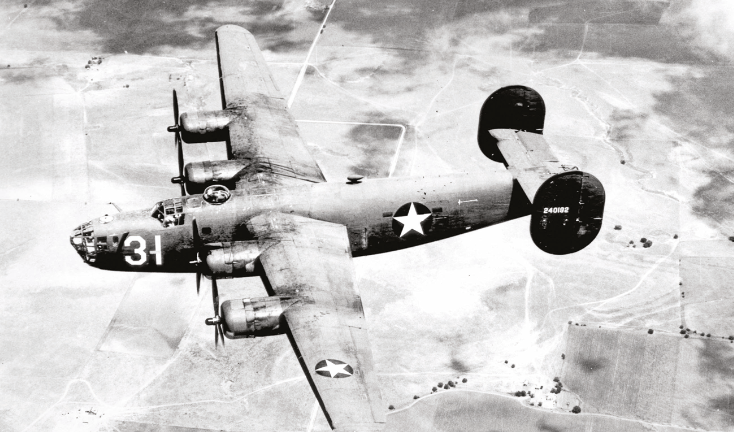
The Italian general Giulio Douhet remains one of the most influential figures associated with the concept of strategic bombing in the aftermath of the First World War. In his seminal 1921 work The Command of the Air, Douhet articulated a vision of air power as a decisive force unconstrained by terrain, fortifications, or distance. He argued that bombers could bypass traditional battlefield limitations, rendering land and naval forces secondary in importance. Douhet advocated for the systematic destruction of an adversary’s air capabilities—both in the air and on the ground—famously asserting that it was not sufficient merely to destroy the enemy’s “eagles,” but also their “eggs and nests.” Aircraft production facilities, therefore, were considered prime strategic targets. He further contended that sustained aerial attacks against civilian populations, using explosives, incendiaries, and even chemical agents, would break public morale and compel governments to seek peace. Such was his confidence in air power that he regarded strategic bombing as a key deterrent capable of preventing war altogether.
Persistent Challenges and Operational Realities
Despite its theoretical appeal, strategic bombing has remained a contentious doctrine, largely due to the inherent difficulty of measuring its effectiveness. Operational constraints—such as limited time over targets and the distance between aircraft and ground objectives—have historically complicated assessments based solely on visible physical destruction. More importantly, evaluating the broader impact of bombing campaigns requires a comprehensive analysis of the adversary’s overall military capacity, not merely damage to specific installations. The cumulative effects of such campaigns are rarely immediate and often take considerable time to manifest, further complicating efforts to determine success or failure.
Historically, early advocates of strategic bombing in the United Kingdom learned these lessons at significant cost. In December 1939, the Royal Air Force deployed a prominent bomber force to attack the German port of Wilhelmshaven, only to lose 12 of the 22 aircraft involved. Performance did not markedly improve in subsequent operations. As historian Tami Davis Biddle notes, in early 1943, only 17 per cent of bomber crews were expected to survive the required 30-mission tour. In contrast, the United States Army Air Forces entered the Combined Bomber Offensive with considerable confidence, convinced that technological and doctrinal superiority would ensure success. Major General Ira Eaker, commander of the Eighth Air Force, expressed confidence that well-executed formations of B-17 bombers could operate over Germany with loss rates not exceeding five per cent. However, reality proved far harsher. While the August 1943 strikes inflicted significant damage on German industrial production, they came at the cost of approximately 60 B-17 aircraft. Losses reached unsustainable levels during subsequent operations, culminating in the October raids on Schweinfurt, where 198 out of 291 bombers were destroyed or damaged.
Strategic Bombing and Civilian Morale
On the opposing side, German bombing campaigns against the United Kingdom failed to achieve their strategic objectives. Rather than breaking civilian morale or forcing the British government into negotiations, the attacks often produced the opposite effect. Public resilience increased, and societal cohesion strengthened, particularly as civilians recognised that the Royal Air Force was retaliating against German cities.
A similar pattern emerged during the Vietnam War. The relentless American bombing campaign against North Vietnam, known as Operation Rolling Thunder, which began in early 1965 and lasted until President Johnson’s decision to halt the bombing in March 1968, is widely regarded as having failed to achieve its primary objective: to convince the leadership in Hanoi that the cost of continuing the war in the South was simply too high. This failure occurred despite the campaign’s enormous scale; the number of bombs dropped exceeded that used throughout the entirety of World War II.
Even coercive threats at the highest level proved ineffective. In 1968, U.S. President Richard Nixon reportedly believed that signalling a willingness to use nuclear weapons would compel North Vietnamese leader Ho Chi Minh to seek peace within days. This expectation, however, did not materialise.
The Persistence of Strategic Bombing Doctrine
Despite limited historical evidence supporting its decisive effectiveness, strategic bombing has retained a central place in U.S. military doctrine. In early 2003, the U.S. Department of Defense introduced the “Shock and Awe” concept as the operational framework for the invasion of Iraq. The strategy centred on delivering approximately 3,000 bombs and missiles within 48 hours to overwhelm the Iraqi leadership psychologically and force rapid capitulation. The plan envisaged the use of B-52 and stealth B-2 bombers to target elite Republican Guard units, government headquarters, and key infrastructure. The objective was to dismantle Iraq’s military and political systems in the opening phase of the conflict, eliminating leadership figures, destroying entire formations, and severing critical utilities such as electricity. Iraqi President Saddam Hussein would then be given a brief window to surrender before facing overwhelming destruction of Baghdad, with minimal regard for civilian casualties. In essence, “Shock and Awe” represented a modern iteration of strategic bombing doctrine—reviving the early 20th-century belief that air power alone could decisively determine the outcome of war. Yet, as events unfolded, the strategy fell short of achieving its intended goals, ultimately necessitating the deployment of ground forces to secure victory.
Key Factors of Effectiveness in Modern Conflict
A comprehensive study examining the use of air power in conflicts between 1914 and 2003 reveals a sobering reality: like most instruments of coercion, air power is far from universally effective. According to the data, reliance on air power achieved political objectives in only around 31 per cent of cases, while failing in approximately 69 per cent. In terms of military objectives, success rates were slightly higher, reaching about 36.5 per cent over the same period. Even so, the achievement of military goals does not necessarily translate into the desired political outcomes. A review of historical conflicts, alongside these findings, underscores a consistent pattern—strategic bombing frequently falls short of delivering decisive results. This raises a critical question: under what conditions can it succeed?
The Limits of Targeting Civilians
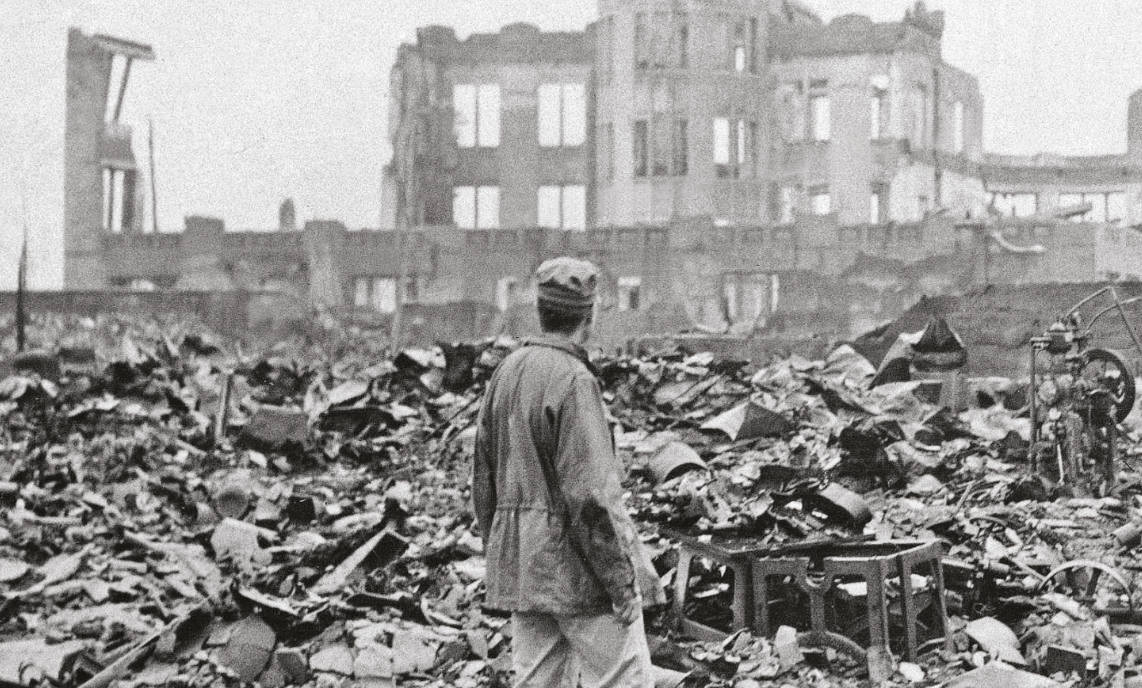
There is broad consensus among military scholars that bombing civilian populations alone is rarely sufficient to achieve coercion. Two principal factors explain this limitation. First, indiscriminate or large-scale attacks on civilians tend to provoke strong international condemnation, potentially forcing the attacking state to halt its operations under external pressure. Second, such attacks often generate a “rally-around-the-flag” effect within the targeted state, strengthening domestic cohesion and reinforcing public support for continued resistance. The British experience during the German bombing campaign in the Second World War illustrates this dynamic clearly, as civilian morale ultimately hardened rather than collapsed.
Targeting Military Capability
Conversely, air power can be more effective when directed towards degrading an adversary’s military capacity rather than targeting its population. During the Second World War, a comparison is often drawn between the Royal Air Force’s early focus on bombing Berlin and the more effective American strategy of targeting German aircraft production facilities. By concentrating on industrial and military infrastructure, the latter approach constrained Germany’s ability to sustain and modernise its war effort. However, even this more focused strategy does not guarantee political success. Ultimately, Germany did not surrender as a result of bombing alone; it was the advance of Allied ground forces into German territory that brought the war to an end. This reinforces a recurring lesson: air power, while influential, is rarely decisive in isolation.
Regime Change and Escalation Risks
The effectiveness of strategic bombing further declines when its objective shifts towards regime change. Efforts to topple a government through aerial coercion often produce the opposite of the intended effect—hardening the target state’s resolve and reducing the likelihood of concessions.
For political leaders, regime survival represents the highest possible stake. The potential consequences range from the loss of power to personal harm or death. Moreover, even if the coercing state offers assurances regarding the safety of leadership figures, such guarantees lack credibility once those leaders relinquish control. The expectation that an external power will impose a new, aligned government further reinforces resistance.
There is, however, a narrow exception. Strategic bombing aimed at regime change may succeed when the targeted state is already on the verge of military collapse. In such circumstances, surrender may appear preferable to total defeat. Japan’s surrender in the Second World War illustrates this point. Following the atomic bombings in August 1945, the United States introduced a subtle but critical adjustment to its demands. Whereas it had previously insisted on unconditional surrender, a revised statement indicated that the future form of Japan’s government would be determined by the will of the Japanese people. This was interpreted by the Japanese Emperor as an implicit guarantee of his personal safety and symbolic status, contributing to the decision to accept surrender.
The Importance of Integration with Other Instruments
While historical evidence highlights the limitations of strategic bombing, it also points to the conditions under which air power can be effective. Chief among these is its integration with other military instruments.
Air power is often most successful when used in coordination with ground operations. By weakening enemy forces and disrupting their capabilities, it creates favourable conditions for ground troops to secure and hold territory. The German use of air power in support of early Second World War ground offensives played a significant role in their initial successes. Similarly, in 1991, coalition air forces significantly degraded Iraqi military capabilities prior to the ground campaign to liberate Kuwait.
Strategic and Operational Interdiction
Another important application lies in the disruption of an adversary’s supply networks. Strategic interdiction aims to prevent the flow of critical resources—such as fuel, weapons, and logistics—into the targeted state. In theory, a successful interdiction campaign can render an adversary’s military forces ineffective by severing access to essential supplies. Naval blockades represent one of the most prominent forms of this approach.
At a more tactical level, operational interdiction focuses on targeting supply lines, communication networks, and logistical infrastructure within the battlefield environment. By disrupting the enemy’s ability to reinforce and sustain its forces, such operations can significantly enhance the overall effectiveness of strategic bombing campaigns.
The Forty-Day War as a Case Study
The war that erupted on 28 February 2026 between the United States and Israel on one side and Iran on the other represents, in many ways, the culmination of decades of unsuccessful diplomatic efforts to prevent Tehran from acquiring nuclear weapons. It also constitutes a logical extension of the twelve-day conflict in June 2025, during which Israeli and subsequently American strikes inflicted significant damage on Iran’s nuclear programme and air defence systems.
The conflict began with a high-impact decapitation strike that killed Supreme Leader Ayatollah Ali Khamenei along with several senior figures in the Iranian leadership. This was followed by a joint U.S.–Israeli campaign aimed at degrading Iran’s conventional military capabilities, its defence-industrial base, energy infrastructure, and portions of its civilian infrastructure. Despite the scale and intensity of these operations, the campaign ultimately fell short of achieving its primary political objective: compelling the Iranian government to comply with Washington’s demands. These included abandoning any pursuit of nuclear weapons, accepting restrictions on its ballistic missile programme, and curbing support for proxy groups beyond its borders.
From a military standpoint, the campaign achieved partial success. Iranian missile capabilities were significantly weakened, though not entirely eliminated, and major naval assets were destroyed. However, these outcomes proved insufficient in securing the broader political settlement sought by Washington. A binding agreement remained necessary to enforce key conditions, particularly those related to nuclear compliance. Central to this was the recovery of approximately 400 kilogrammes of highly enriched uranium believed to remain in underground facilities, as well as the imposition of strict limits on uranium enrichment levels. Additionally, reopening the Strait of Hormuz—closed by Iran’s Islamic Revolutionary Guard Corps during the conflict—emerged as a critical requirement for restoring regional stability and global energy flows.
It is essential to recall that wars are ultimately fought to achieve political objectives. Accordingly, the success of any military strategy must be measured by its ability to deliver those outcomes. In the case of the Forty-Day War, assessing the effectiveness of strikes against Iran’s military capabilities—particularly its missile and naval forces—remains premature. Quantitative evaluations based on open-source data are inherently limited, especially given that modern air campaigns often aim to produce qualitative effects that may not be immediately visible or measurable. Some impacts, moreover, only become apparent over time. Historical precedent supports this assessment: Allied bombing of German oil infrastructure during the Second World War significantly degraded the operational effectiveness of German armoured formations, but the full extent of this impact only became clear months after the strikes.
In terms of political outcomes, the failure of the Islamabad summit between Washington and Tehran on 13 April 2026 underscored the limitations of strategic bombing as a standalone instrument of coercion. In response, U.S. President Donald Trump adopted additional measures, most notably the imposition of a naval blockade on Iranian ports. This escalation aimed to intensify pressure on Tehran and alter its strategic calculus. The approach yielded tangible results: Iran resumed negotiations through Pakistani mediation, and by 17 April, indications emerged of a potential agreement addressing both the Strait of Hormuz and Iran’s nuclear programme.
These developments reinforce a central conclusion of the broader analysis—strategic bombing alone is rarely sufficient to achieve decisive political outcomes. Its effectiveness increases significantly when combined with other instruments of power, such as maritime blockades or coordinated military operations.
Conclusion
The historical record of strategic bombing, from the First World War through the Second World War, Vietnam, and the U.S. campaign in Iraq, highlights the limitations of early air power theory as articulated by Giulio Douhet. His vision of strategic bombing as a decisive, standalone tool capable of securing victory without recourse to other forms of warfare has not been borne out in practice. Instead, empirical evidence demonstrates that strategic bombing is most effective when integrated within a broader, multi-domain strategy. Whether through ground offensives, strategic blockades, or operational interdiction, the combination of military instruments remains essential for translating battlefield effects into meaningful political outcomes.
By: Dr. Shady Abdelwahab Mansour
(Associate Professor, National Defence College)