As people begin their week confronted with headlines on escalating global tensions, including the US–Israeli conflict with Iran, news updates increasingly dominate notifications, social media feeds, and even everyday conversations.
While health experts emphasise that feelings of stress and anxiety are natural responses in such circumstances, they also highlight the importance of developing coping mechanisms and engaging with news responsibly to safeguard mental wellbeing.
Michael S. Ziffra, a psychiatry expert and professor at the Feinberg School of Medicine, explained that fear, sadness, and confusion are entirely normal reactions during difficult times. He stressed that individuals should not feel guilty about experiencing anxiety, noting that it is a fundamentally human response—what matters most is learning how to manage it.
A Natural Emotional Response
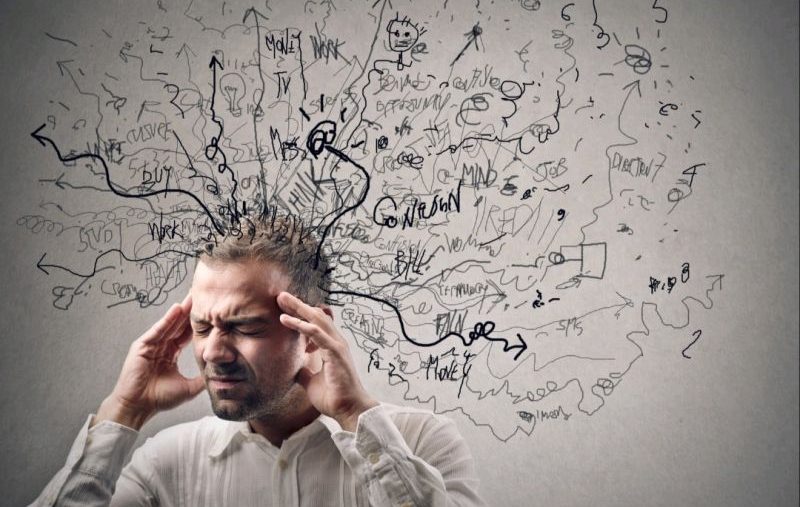
According to Ziffra, there has been a clear rise in anxiety levels since 2020, a year marked by the COVID-19 pandemic, alongside social and political unrest and climate-related disasters. He observed a noticeable increase in patients reporting heightened anxiety linked to ongoing news coverage.
People respond in different ways—some openly express their concerns, others report excessive scrolling through social media, while many describe feelings of helplessness and frustration. Experts, however, reaffirm that such reactions are both expected and, at times, can even lead to positive outcomes, such as increased awareness and engagement.
Still, moderation remains essential. Ziffra noted that many individuals struggle because they become overwhelmed by these emotions, allowing themselves to be drawn into cycles of repetitive and distressing thoughts.
Navigating Distressing News
In today’s digital landscape, access to information is instantaneous. Social media algorithms continuously deliver updates and alerts directly to users’ devices, often interrupting daily routines.
Dana Rose Garfin, a psychologist and professor at the University of California, Los Angeles, has spent years studying what she describes as “cascading collective traumas.” Her research explored how continuous media coverage during the pandemic contributed to increased anxiety levels.
Garfin explained that people no longer consume news in the same way. Whereas individuals once relied on a daily newspaper or an evening bulletin, they are now exposed to a constant stream of updates, making them more vulnerable to distress.
She noted that while turning to the media during crises is a logical and useful response, it can also create a feedback loop: individuals seek more information, become increasingly anxious, and then feel compelled to continue consuming news, reinforcing the cycle.
Engaging with Media Responsibly
Experts acknowledge the need to stay informed but recommend doing so in a balanced way to avoid emotional exhaustion. One of the key suggestions is to reduce or limit social media use and avoid excessive exposure to negative news.
Roxane Cohen Silver, a psychology expert at the University of California, Irvine who collaborated with Garfin, emphasised the importance of setting personal boundaries. She noted that consciously limiting exposure to social media is a deliberate decision to protect both mental and physical health.
Particular concern has been raised about the rapid spread of distressing images and videos online, which can contribute to prolonged anxiety when repeatedly viewed. Silver added that it is entirely possible to stay informed without immersing oneself in such content.