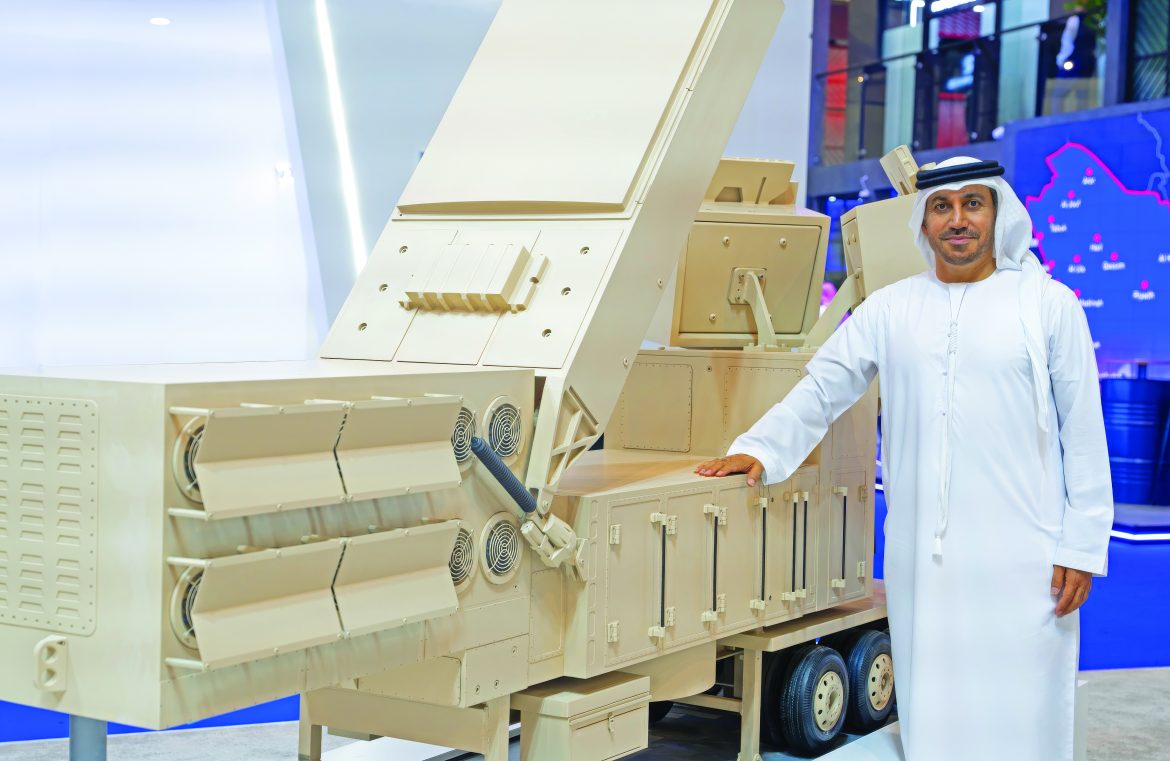
The defence industry is undergoing rapid transformation, giving rise to new approaches to building national capabilities. Possessing advanced systems and technologies alone is no longer sufficient; investment in national talent, research and development, localisation of supply chains, and stronger industrial partnerships have become essential to establishing sustainable defence capabilities.
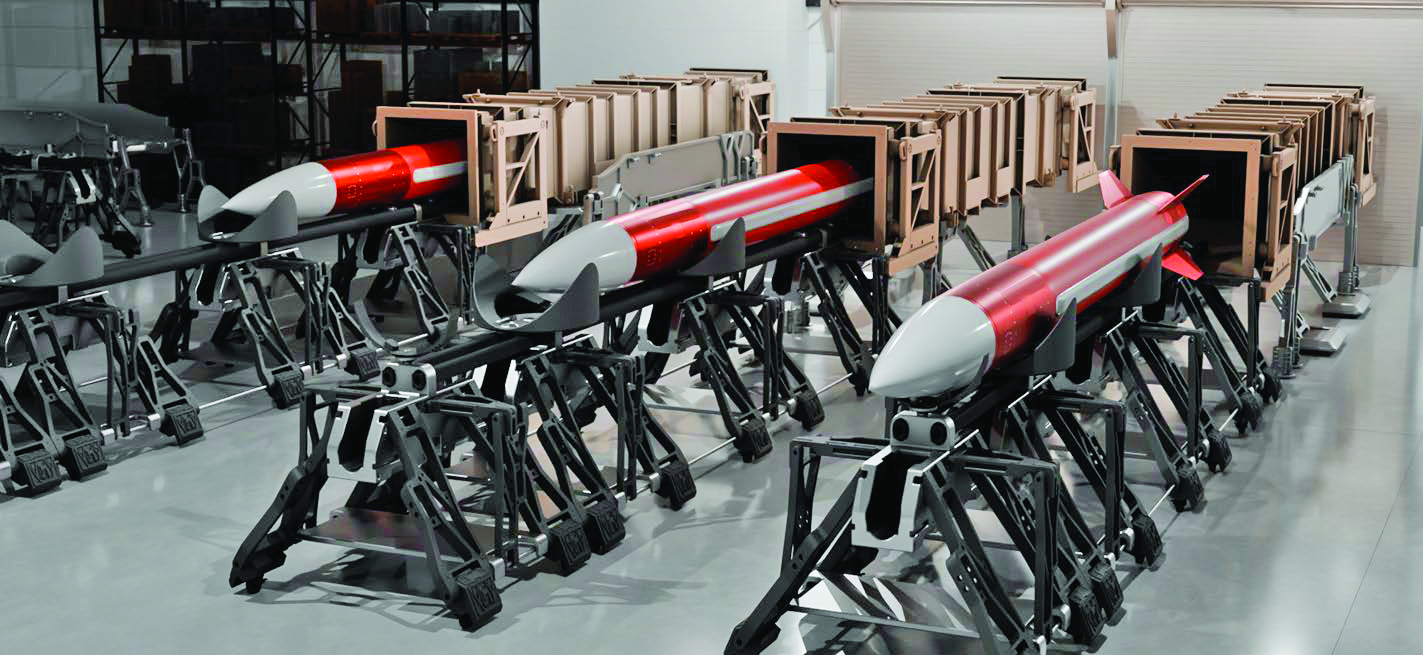
In the UAE, efforts continue to build an advanced defence ecosystem that brings together global expertise and national capabilities, while creating broader opportunities for industry, technology and innovation.
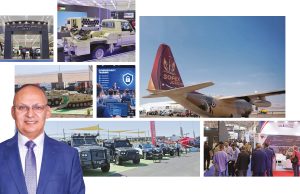
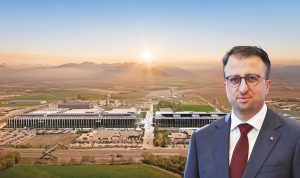
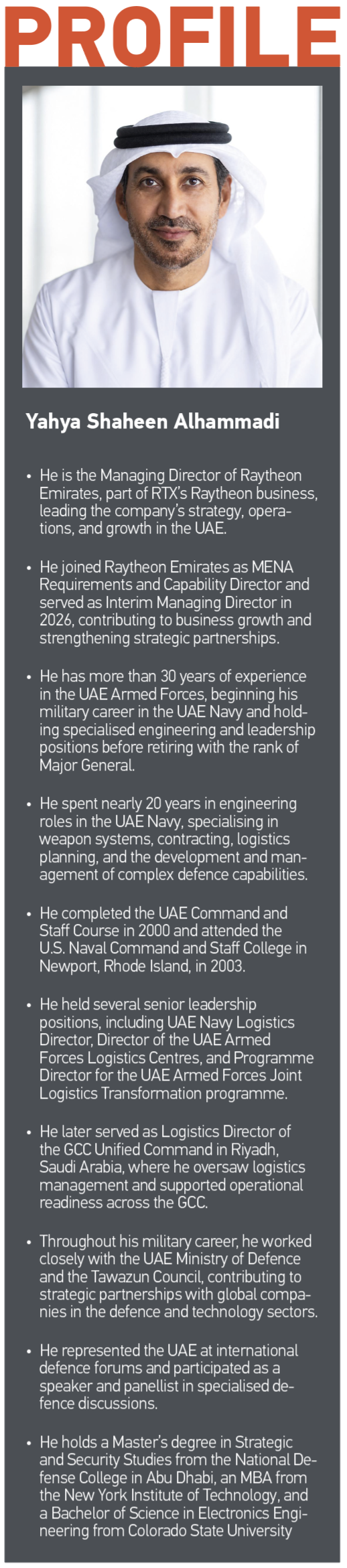
Against this backdrop, «Al Jundi Journal» interviewed Major General (Ret.) Yahya Shaheen Alhammadi, Managing Director of Raytheon Emirates, an RTX business, to discuss these developments and the company’s role in supporting the UAE’s defence capabilities. The following is the interview:
Please give our readers a brief introduction to yourself and your route to becoming managing director at Raytheon Emirates.
Having served for more than three decades in the UAE Armed Forces in senior leadership roles supporting national and regional defence priorities, I gained an operational understanding of the UAE’s defence and security landscape. My background as an engineer, combined with my operational and leadership experience, has also given me a strong understanding of the technical requirements behind the capabilities the UAE Armed Forces depend on.
Following my military service, I joined Raytheon Emirates, an RTX business, first as director of requirements and capabilities and now as managing director. My experience allows me to view the sector from different perspectives — as an engineer, operator and military leader, and now from within the industry.
My focus is on bringing these perspectives together to connect operational requirements with advanced technology while supporting defence localization and sustainable industrial growth in the UAE.
You have taken leadership of Raytheon Emirates at a time when the UAE is accelerating the development of sovereign defence capabilities. What do you see as the most important priorities for strengthening the company’s contribution to this national objective?
Sovereign capability goes beyond where a system is produced. It requires talent development, investment in R&D and technologies over a sustained period.
Our priorities are fully aligned with the UAE’s long-term objectives: expanding local industrial participation, strengthening engineering and technical capabilities, developing local suppliers by creating opportunities to produce components and subassemblies in the UAE, and investing in Emirati talent. RTX’s Leadership Development Program is one example of how we are creating opportunities for Emirati employees to develop and grow within the business.
Raytheon Emirates describes its approach as combining global expertise with local opportunities. How do you translate that philosophy into partnerships that create enduring capabilities within the UAE, rather than simply transferring technology or expertise?
Our approach is rooted in alignment with national priorities. Technology transfer is important, but lasting capability also requires local infrastructure, Emirati engineering talent, UAE-based suppliers and the ability to support and sustain technologies throughout their life cycle.
We work across the UAE’s defence industrial ecosystem, engaging with local companies, including EDGE entities, to identify opportunities where local capabilities can contribute to Raytheon programmes.
This approach extends across RTX. Look at Pratt & Whitney’s collaboration with Sanad. Pratt & Whitney is working with Sanad to develop maintenance, repair, and overhaul (MRO) capabilities for the GTF engine in Al Ain. Or consider the joint venture between Collins Aerospace and Etihad Engineering in Abu Dhabi, which is expanding nacelle MRO capabilities. These aren’t one-off projects—they are investments in the long-term development of local expertise and infrastructure.
These partnerships take different forms, but the objective is consistent: to build capabilities and skills in the UAE that can grow over time while connecting UAE industry with opportunities across the global aerospace and defence sector.
Raytheon and RTX are working across areas ranging from integrated air and missile defence to connected battlespace capabilities and emerging technologies. How is the changing nature of threats influencing the way you think about capability development in the UAE?
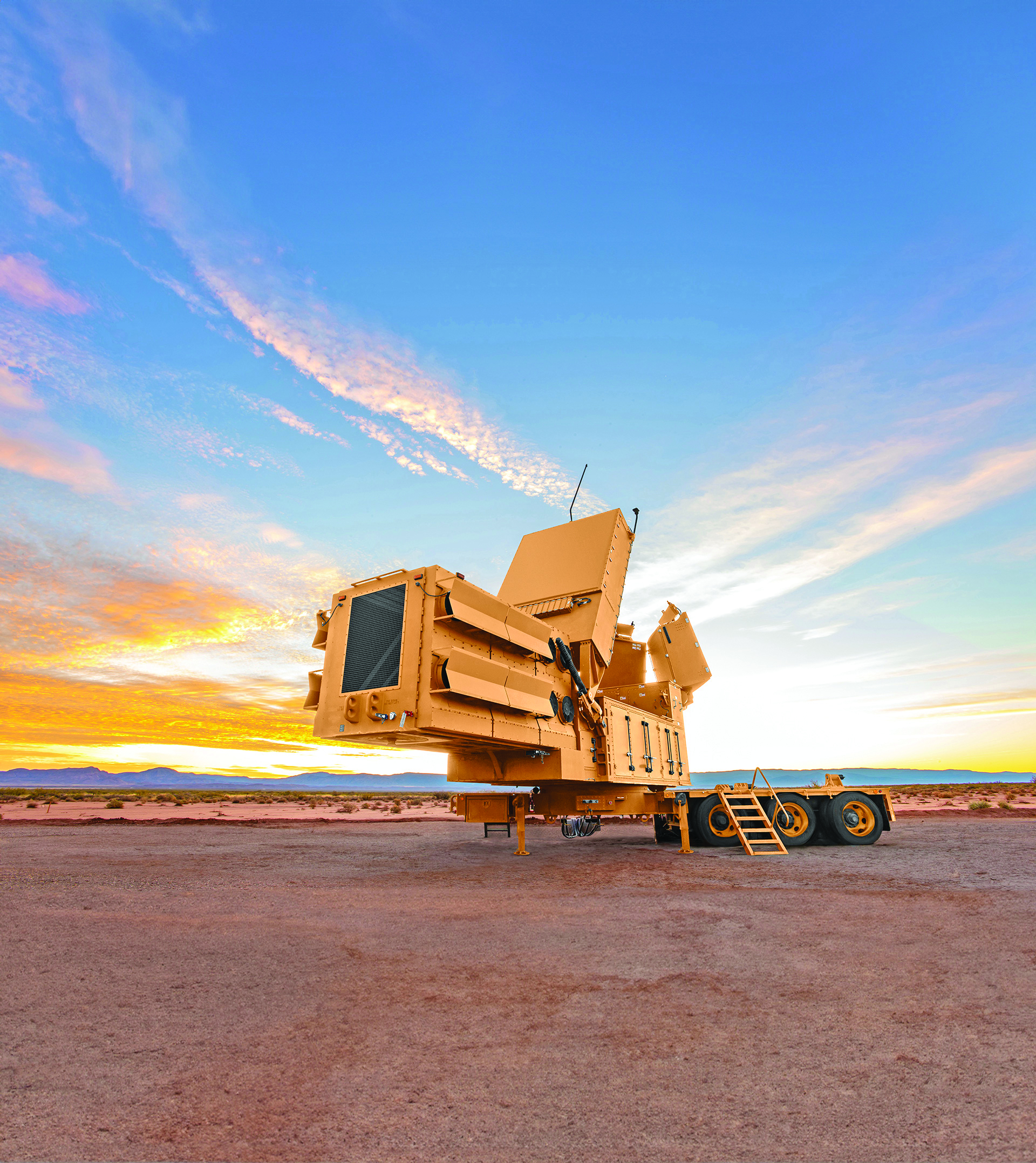
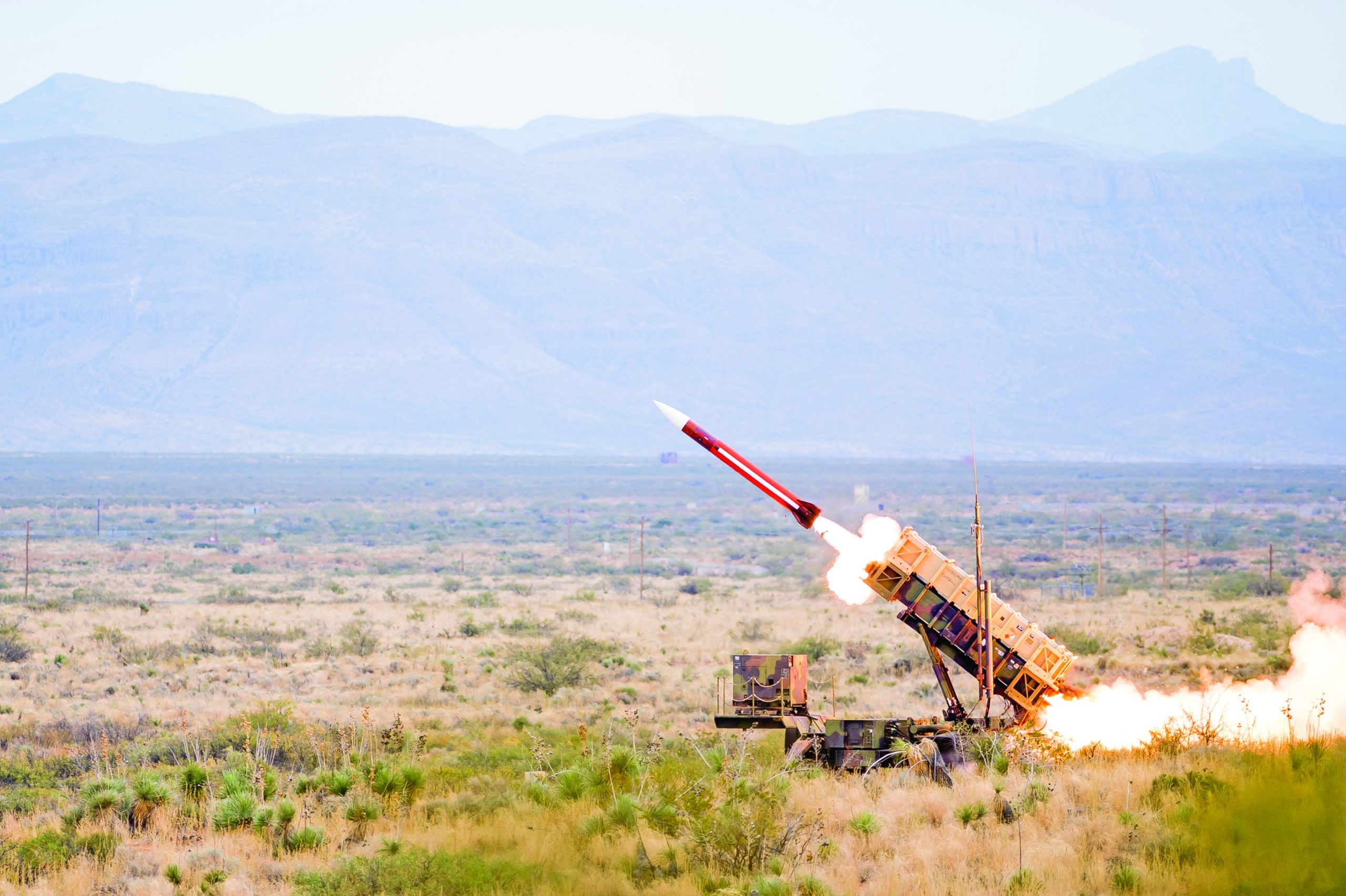
Raytheon’s air defence relationship with the UAE spans decades, beginning with the HAWK air defence program and continuing today with Patriot, a core element of the UAE’s integrated air and missile defence architecture. That history demonstrates the need to continually adapt proven capabilities to address new and emerging threats.
My experience in uniform taught me the importance of looking at defence as an integrated architecture rather than a collection of individual systems. Today, effective defence increasingly depends on layered capabilities and how well we connect sensors, command-and-control systems and effectors across domains.
Counter-UAS has become an increasingly important requirement as unmanned threats continue to evolve. What role does Coyote play in addressing this challenge, and how is Raytheon Emirates building this capability in the UAE?
The proliferation of unmanned systems has changed the threat environment significantly. Armed forces must be able to detect, track and defeat a wide range of unmanned threats, including systems that can be produced and deployed at relatively low cost.
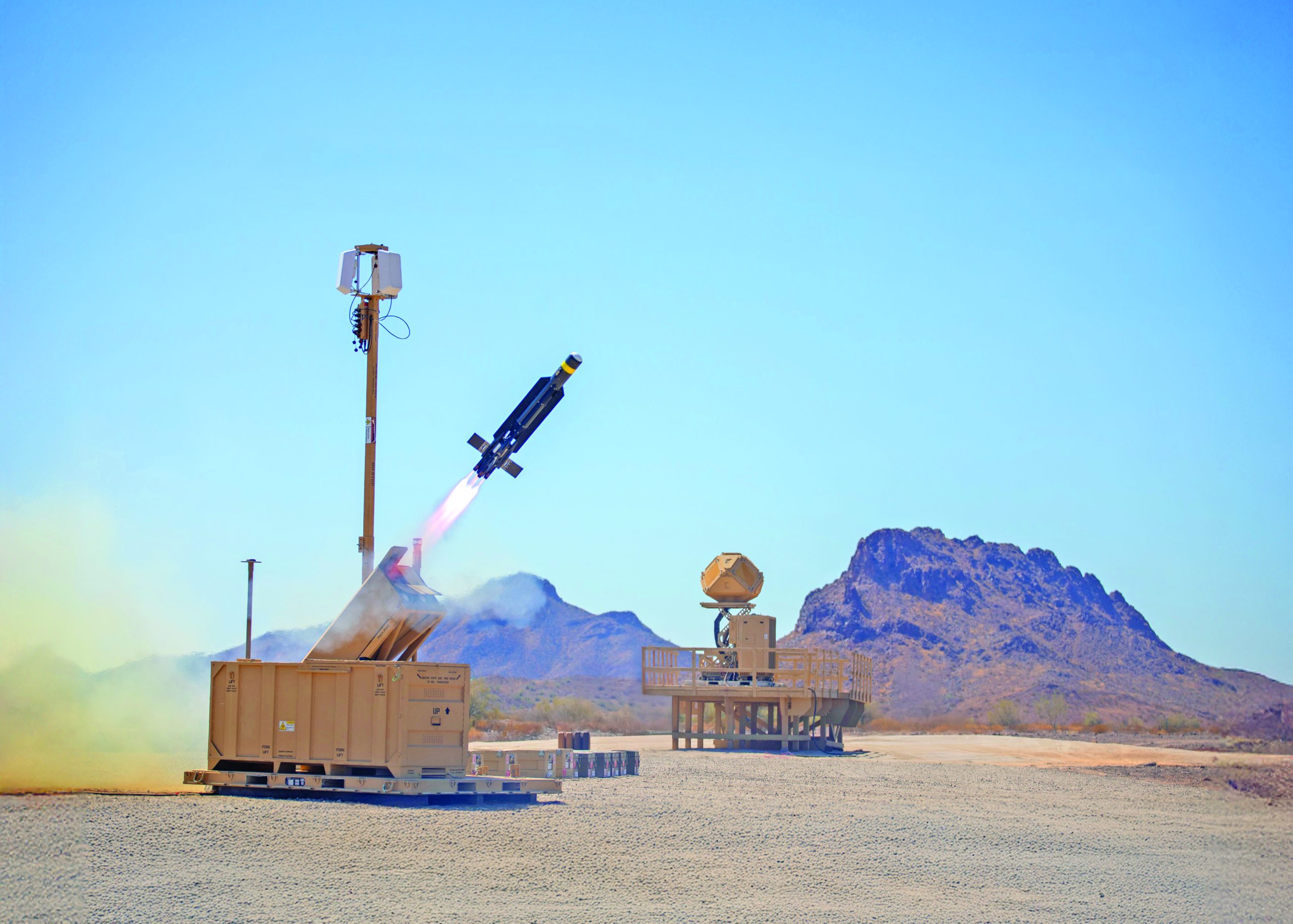
Coyote is a proven counter-UAS capability that draws on Raytheon’s decades of experience developing advanced air and missile defence technologies. It forms part of a layered approach to counter-UAS, giving operators an effective option to address evolving unmanned threats.
What is particularly important for us is how we are building this capability in the UAE in a way that supports the country’s wider industrial ambitions. Working with Tawazun Council for Defence Enablement, we are establishing local production capabilities at Tawazun Industrial Park, including the production of components and subassemblies in the UAE, while progressively increasing local manufacturing content and UAE industrial participation.
We are also engaging with the wider national defence ecosystem to identify where UAE industrial capabilities can contribute. Our objective is to combine proven Raytheon technology with the UAE’s growing industrial and technical capabilities, creating a foundation that can deepen over time.
Talent development is central to building sustainable sovereign capability. What skills and mindsets will Emirati engineers and young professionals need as defence becomes increasingly shaped by software, advanced manufacturing, artificial intelligence and other emerging technologies?
Technical skills in areas such as software, artificial intelligence, systems engineering, cybersecurity and advanced manufacturing will be increasingly important. Equally important are adaptability, curiosity and the ability to work across disciplines.
Future defence challenges will bring hardware, software, data and operational requirements even closer together. Young professionals will need to understand how those elements work together.
Through our long-standing support for Abu Dhabi University’s Undergraduate Research and Innovation Competition, we have seen firsthand the quality and ambition of young talent in the UAE. Industry has an important role to play by giving young people opportunities to work on real-world challenges, learn from experienced engineers and gain exposure to advanced technologies.
With your appointment in May 2026 marking a new chapter for Raytheon Emirates, what leadership principles will guide your engagement with the UAE Armed Forces, government stakeholders, industry partners and the wider technology ecosystem?
For me, leadership begins with listening, understanding the mission and building trust. That was true throughout my military career, and it remains true today.
I also believe strongly in accountability and long-term thinking. Raytheon has been a partner to the UAE for more than 40 years, and my priority is to build on that foundation by ensuring Raytheon Emirates remains responsive to the country’s evolving requirements and aligned with its national priorities.
Leadership is also about people. We are putting this into practice by bringing Emirati talent into important roles across the business, including project management, contracts, IT and import-export compliance, among others. These functions are essential to how we operate and grow in the UAE. Developing Emirati talent, creating opportunities for progression and building the next generation of leaders will remain central to how I lead Raytheon Emirates.
Looking at the UAE’s defence industry from a long-term perspective, what would success look like for Raytheon Emirates five or 10 years from now, not simply in terms of programmes delivered, but in terms of the capabilities, people and industrial ecosystem it has helped build?
I would measure success not only by the programmes we deliver, but by what we help build for the future.
I want to see advanced technologies brought to the UAE alongside the capability to develop, manufacture and sustain more of those technologies here. That means producing more components and subassemblies locally, developing Emirati engineering and technical expertise, and leveraging the growing capabilities of UAE industry. I would like to see more Emirati engineers and industry leaders working on advanced technologies together, more UAE companies participating in local and global supply chains and greater local content contributing to the capabilities we deliver.
Interviewed by: ALJUNDI