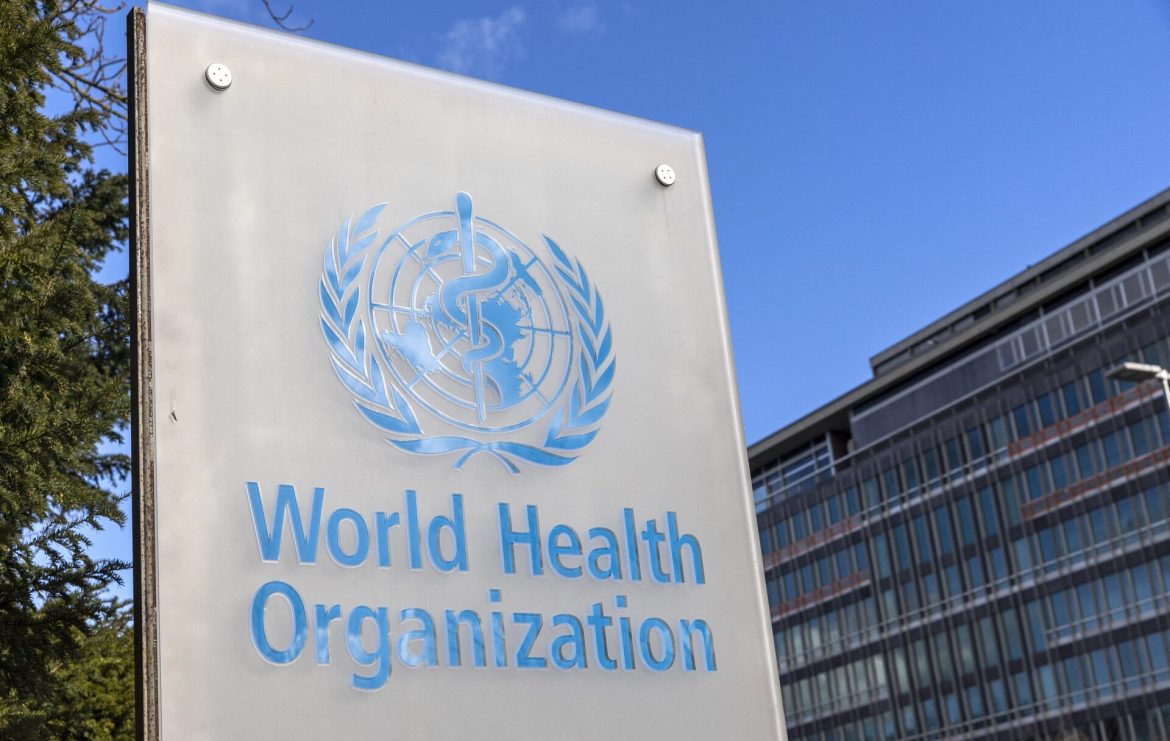
The World Health Organisation (WHO) has recommended prioritising healthy nutrition, physical activity and behavioural support in the treatment of obesity among children and adolescents. The organisation stressed the importance of ado
pting a comprehensive approach to care in its first-ever global guidelines specifically dedicated to addressing childhood obesity.
According to the WHO, approximately 170 million children and adolescents aged between five and 19 were living with obesity in 2024. The prevalence of obesity in this age group has risen from 2% in 1990 to 8% today, highlighting the growing scale of the global health challenge.
The guidelines recommend comprehensive treatment programmes combining dietary counselling, physical activity and behavioural interventions. Digital interventions may also be incorporated into treatment, provided they are supervised by parents or caregivers.
The WHO does not recommend weight-loss medication, bariatric surgery or weight-management devices for children under the age of 10. For adolescents aged between 10 and 19, approved medications may be considered if supervised treatment programmes fail to achieve the desired results. Bariatric surgery may also be considered in specific cases involving severe obesity.
The organisation emphasised that mental health support should form an integral part of treatment, including the early identification of anxiety, depression and low self-esteem, as well as addressing the effects of bullying and weight-related stigma.
Luz Maria De-Regil, Director of the WHO’s Department of Nutrition and Food Safety, stressed that the foundation of obesity care for children and adolescents lies not in medicine or surgery, but in ensuring access to comprehensive support.
The guidelines also call for personalised care tailored to each child’s age, individual needs and family circumstances, alongside regular, long-term follow-up. The WHO noted that treatment should extend beyond weight loss to include improvements in overall health, the ability to carry out daily activities and general well-being.
The organisation further stressed that individual treatment alone will not be sufficient to curb the growing global prevalence of obesity. It called on governments to improve access to healthy food and encourage physical activity through regulatory and financial policies spanning education, transport, urban planning and social protection.