A total of 128 countries have agreed on a text defining the concept of lethal autonomous weapons systems (LAWS), marking an initial step towards an international agreement aimed at regulating the use of weapons that critics have dubbed “killer robots”.
The agreement on the non-binding document represents a significant development following more than a decade of negotiations over how to regulate weapons systems capable of identifying and attacking targets with varying degrees of autonomy. Such systems, which can operate with limited or no direct human intervention, have increasingly raised legal, ethical and humanitarian concerns.
The full contents of the agreed text have not yet been made public. However, groups closely monitoring the negotiations have already criticised major countries, accusing them of deliberately delaying progress towards stronger international rules.
Dutch Foreign Minister Tom Berendsen, whose country is facilitating the negotiations, announced that 128 countries had reached agreement on the text.
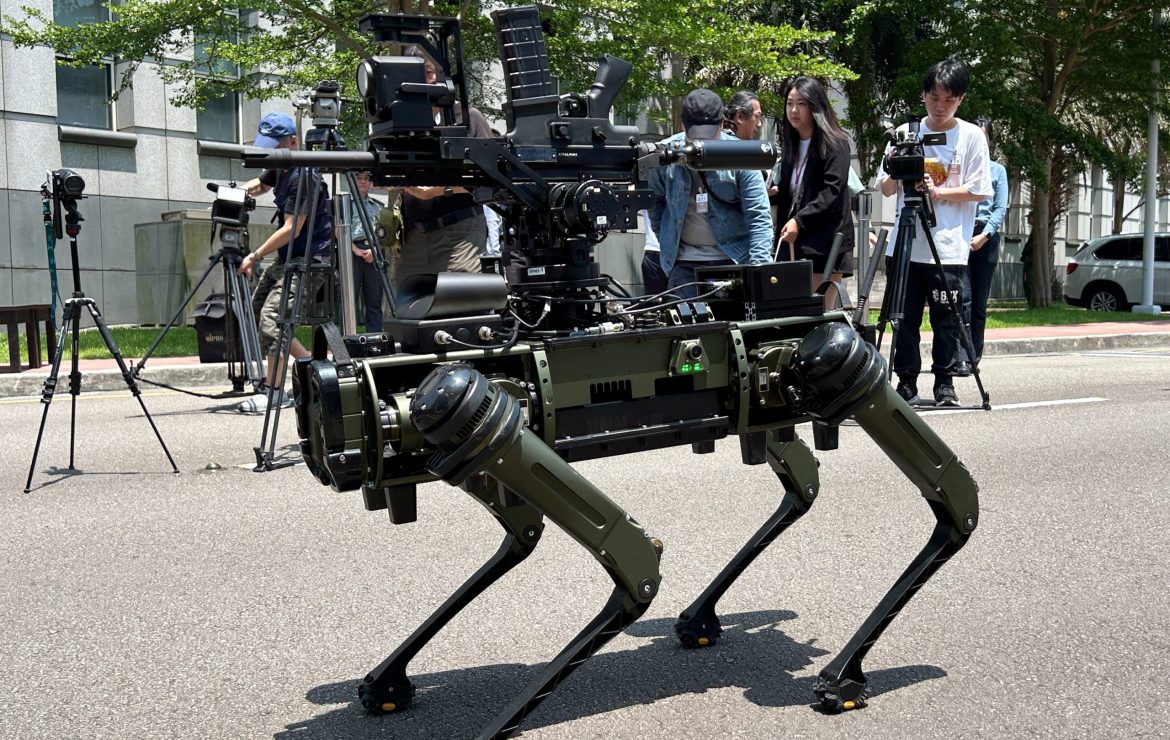
Several countries are developing and deploying weapons capable of selecting targets and using force against them without direct human intervention, raising concerns over the extent to which human control should be maintained over decisions involving the use of lethal force.
The International Committee of the Red Cross (ICRC) warned in a statement that “uncontrolled development and use of lethal autonomous weapons systems poses serious legal, ethical and humanitarian challenges”.
The ICRC and other organisations have repeatedly called for legally binding international rules to restrict and regulate the development and use of such weapons.
Nicole van Ruijgen, Executive Director of Stop Killer Robots, an international coalition of organisations working on the issue, accused the United States, Russia and their allies of seeking to weaken the agreed text.
Geneva-based Lex International, which funds research into the issue, also criticised the position taken by several countries. It said the United States, Russia, India and Israel were among the most prominent opponents of the negotiations, while noting that the governments of Brazil, Ireland and Norway were leading efforts to advance negotiations scheduled for November.
United Nations member states will decide in November whether to move towards an international treaty through negotiations on this category of weapons.