Artificial intelligence is rapidly transforming the capabilities of modern robots, enabling them to move beyond executing pre-programmed commands and perform increasingly human-like tasks. Powered by advances in computer vision, sensing technologies and machine learning, robots are becoming more capable of perceiving their surroundings, interacting with their environment and making decisions in real time. These advances are demonstrated by a wide range of humanoid robot models and applications developed at the Beijing Humanoid Robot Innovation Centre.
Humanoid robots rely on integrated systems that combine cameras, sensors and artificial intelligence algorithms to analyse their surroundings. This allows them to recognise people and objects, estimate distances, maintain balance while moving and adapt to changing environments, enabling them to perform tasks with a greater degree of independence.
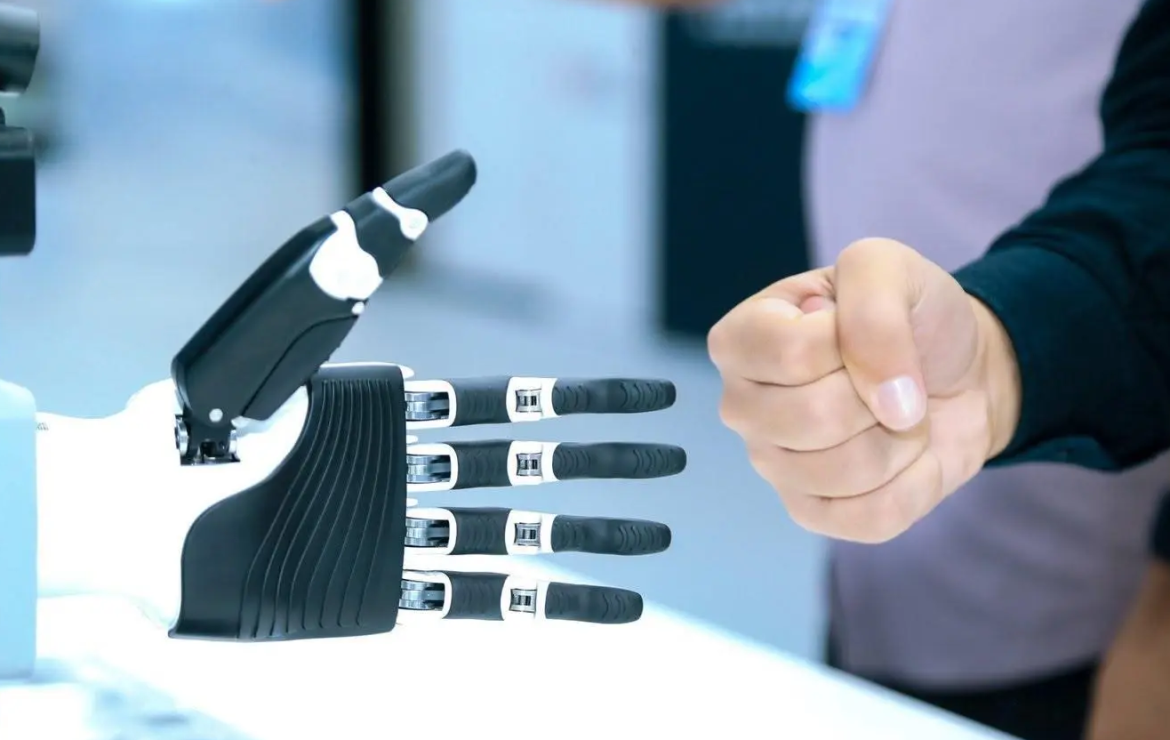
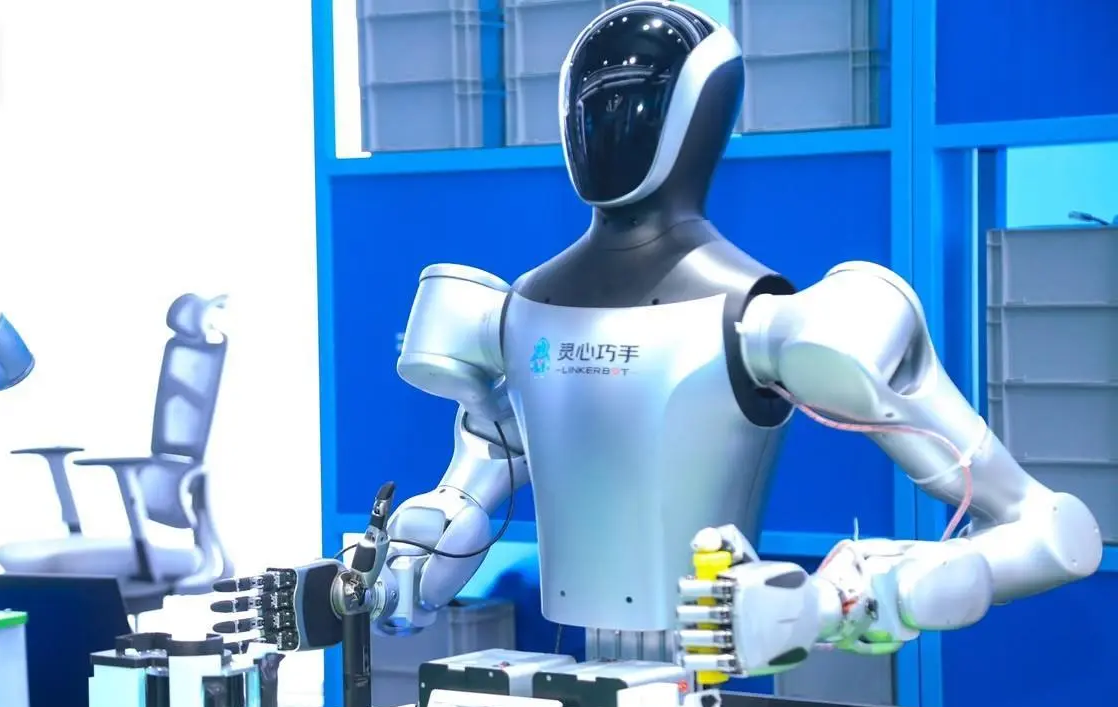
Among the most significant AI-driven developments are multi-jointed robotic hands, designed to closely replicate the movement and dexterity of the human hand. Through precise control of finger movement and grip strength, these systems are capable of carrying out tasks that require exceptional accuracy, including picking up tools, handling objects of different shapes and sizes, and operating machinery and technical equipment.
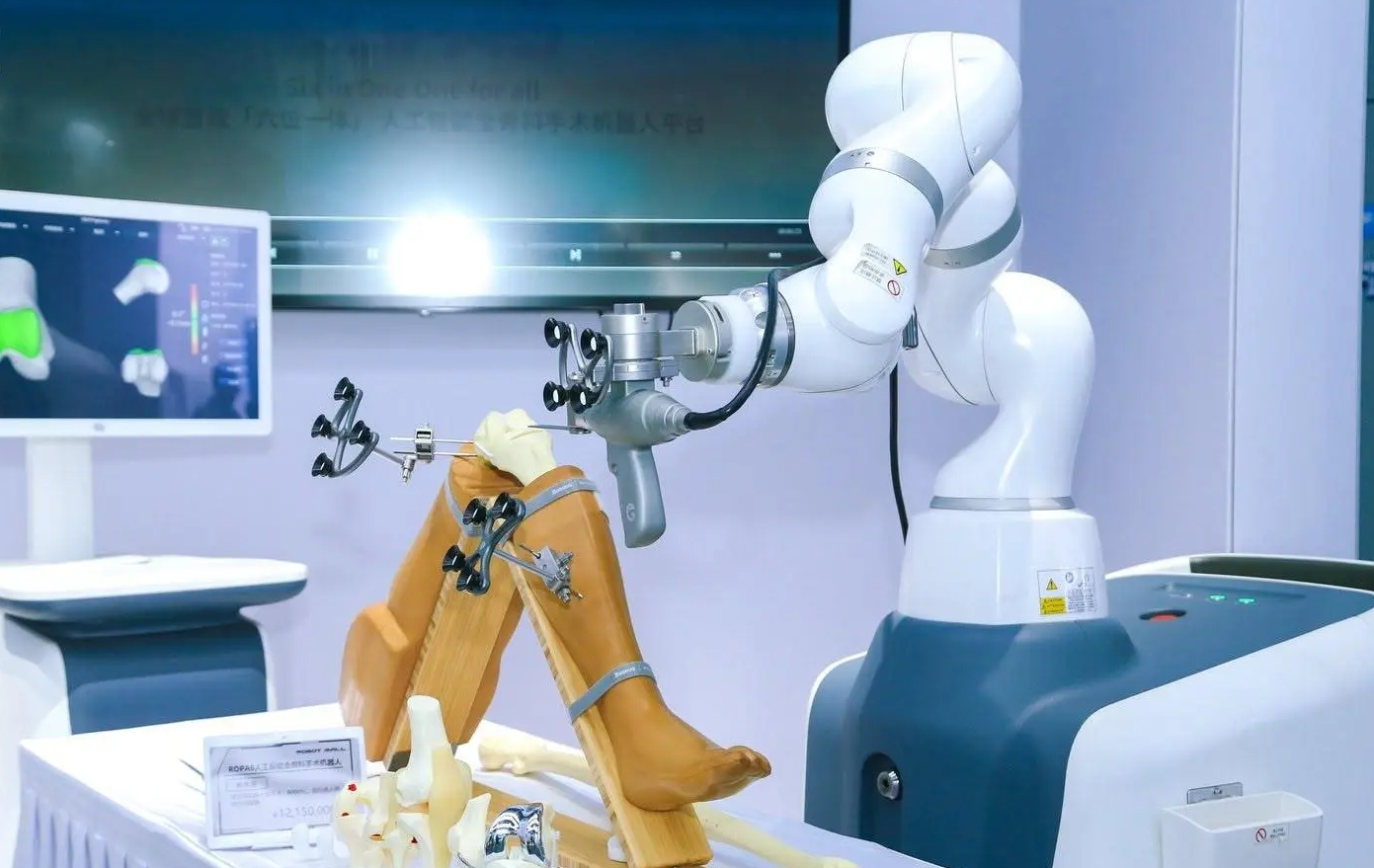
Artificial intelligence is also expanding the role of robotics in healthcare. Medical robotic systems equipped with advanced robotic arms are increasingly being used to support highly precise medical procedures and surgical training. At the same time, robots are becoming more widely deployed across manufacturing and logistics, where they perform repetitive tasks, improve operational efficiency and operate safely in environments requiring high levels of precision and reliability.
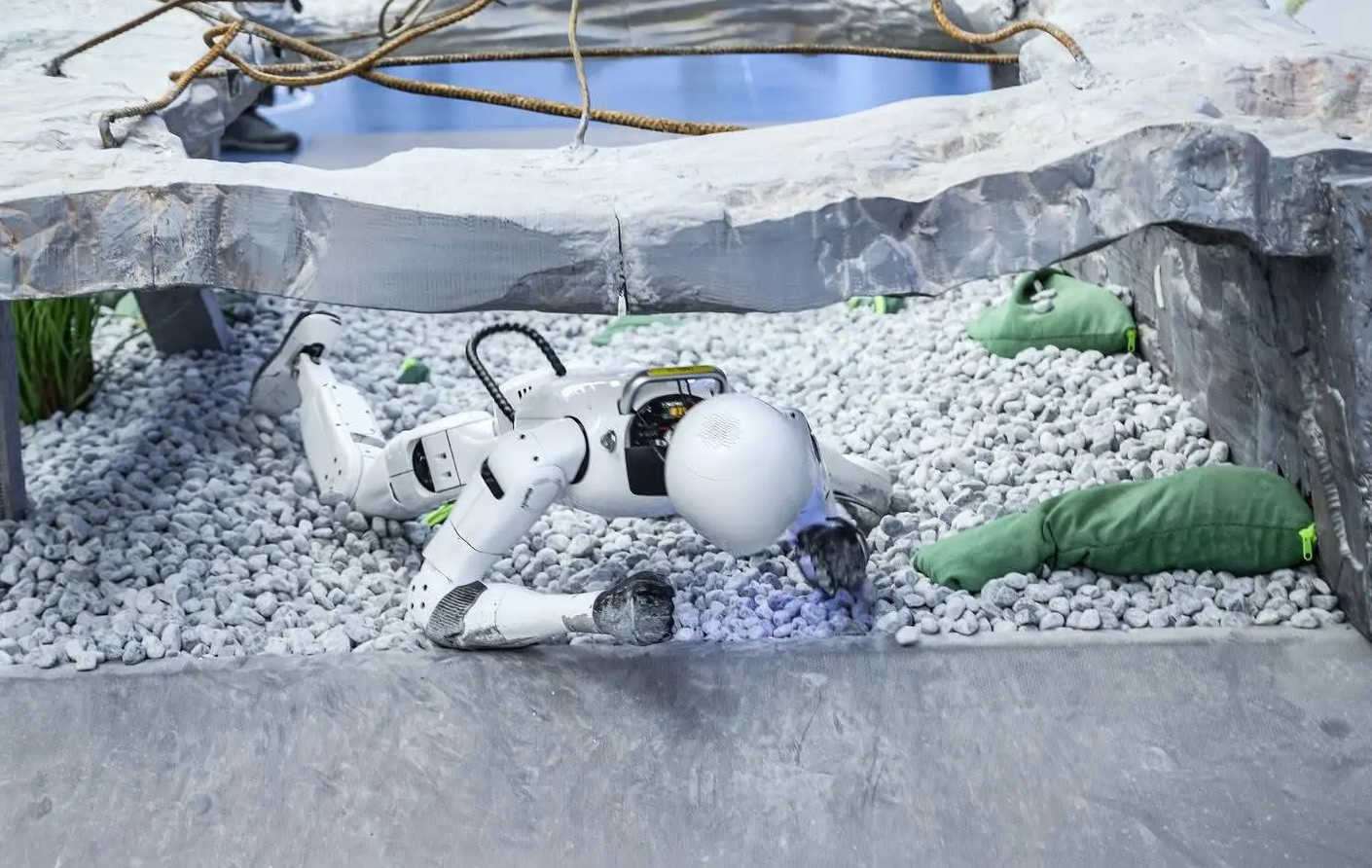
AI has also significantly strengthened the capabilities of robots designed for emergency response. These systems can assist in search and rescue missions, navigate hazardous or difficult terrain, and analyse data from cameras and sensors to identify safe routes and avoid obstacles. In many applications, they also operate alongside unmanned aerial vehicles, supporting surveillance and reconnaissance missions as well as the delivery of supplies and goods in selected logistics operations.
Recent developments also include interactive robots capable of responding to voice commands, communicating naturally with users and performing athletic demonstrations as well as a range of public service tasks. Supported by machine learning systems, these robots continuously improve their performance as they adapt to different operating environments and changing task requirements.
The rapid evolution of artificial intelligence is marking a shift in robotics from systems that simply execute predefined instructions to machines capable of perception, interaction and autonomous decision-making. As these technologies continue to mature, robots are expected to play an increasingly important role across healthcare, industry, public services, intelligent transport and emergency response, steadily narrowing the gap between machine performance and human capabilities.