Few infectious diseases have captured global attention quite like Ebola. Known for its severe outbreaks and high mortality rates, the disease has become a symbol of the challenges posed by emerging infectious threats. Although Ebola remains relatively rare worldwide and is largely confined to parts of Africa, past outbreaks have demonstrated how quickly infectious diseases can cross borders, highlighting the importance of preparedness, early detection, and rapid response in protecting communities.
Ebola virus disease was first identified in 1976 in what is now the Democratic Republic of the Congo and Sudan. The virus was named after the Ebola River, located near one of the outbreak sites. It belongs to the filovirus family, and scientists believe that fruit bats serve as its natural reservoir, with transmission occurring from infected animals to humans under certain circumstances.
How Ebola Spreads
Human infection can occur through direct contact with infected animals or their bodily fluids. Once introduced into the human population, the virus spreads through direct contact with the blood, secretions, or other bodily fluids of an infected person, including saliva, sweat, urine, faeces, and vomit.
Transmission may also occur through contaminated medical equipment or during the preparation and burial of deceased individuals when appropriate infection-control measures are not followed. Importantly, Ebola is not an airborne disease and does not spread through the air in the same manner as influenza or measles.
Symptoms and Disease Progression
The incubation period—the time between exposure to the virus and the onset of symptoms—ranges from two to 21 days. Early symptoms are often non-specific and may resemble many other viral illnesses. These commonly include sudden fever, severe fatigue, headache, muscle and joint pain, and sore throat.
As the disease progresses, patients may develop vomiting, diarrhoea, abdominal pain, loss of appetite, and significant dehydration. In severe cases, vital organs such as the liver and kidneys can be affected. Some patients may also experience internal or external bleeding due to disturbances in the body’s blood-clotting mechanisms.
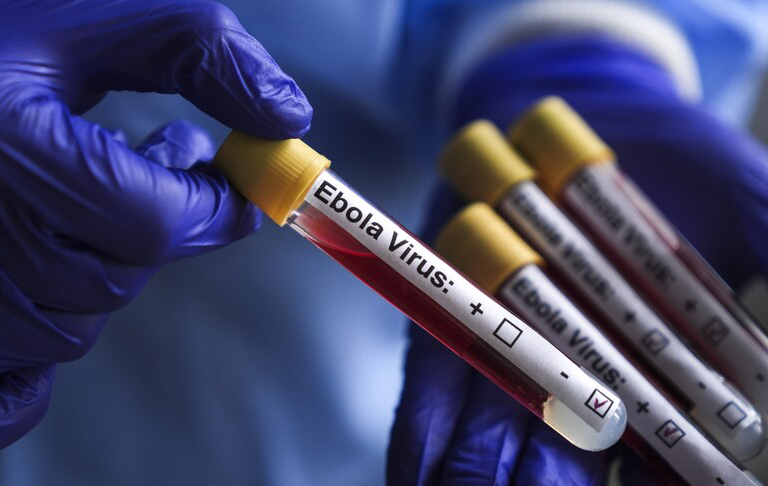
One of the major challenges associated with Ebola is that its initial symptoms can closely resemble those of other diseases, including malaria, typhoid fever, and dengue fever. This can sometimes delay diagnosis. For this reason, healthcare professionals rely not only on clinical symptoms but also on a patient’s travel history, potential exposure to confirmed cases, and specialised laboratory testing capable of accurately detecting the virus.
Lessons from Past Outbreaks
The West African Ebola outbreak between 2014 and 2016 marked the largest epidemic in the disease’s history. Tens of thousands of people were infected, and thousands lost their lives. The outbreak served as a turning point in global public health, underscoring the critical importance of disease surveillance systems, international cooperation, and rapid response mechanisms in managing emerging infectious threats.
The experience reinforced a key lesson: infectious diseases can become global concerns within a short period, making preparedness a shared international responsibility rather than a local challenge.
Treatment and Medical Advances
While there is no simple cure that directly eliminates the virus, advances in medical care have significantly improved survival rates. Modern treatment focuses on supportive care, including fluid and electrolyte replacement, maintaining blood pressure, managing complications, and providing respiratory support when required.
In recent years, important progress has also been made in the development of monoclonal antibody therapies. These treatments have shown promising results in reducing mortality, particularly when administered early in the course of the disease.
One of the most significant public health achievements has been the development of effective vaccines against certain strains of Ebola virus. These vaccines have played a crucial role in controlling outbreaks by protecting healthcare workers and individuals who have been in close contact with confirmed cases.
Prevention Remains the Strongest Defence
Preventing Ebola transmission remains the cornerstone of disease control. Effective measures include strict infection-prevention protocols within healthcare facilities, regular hand hygiene, the appropriate use of personal protective equipment, and the early isolation of suspected cases.
Public awareness is equally important. Understanding how the disease spreads and recognising its symptoms can help communities respond appropriately and reduce the risk of transmission. Healthcare workers also play a vital role in identifying potential cases, reporting infections, and implementing measures to prevent further spread.
Conclusion
The history of Ebola demonstrates that investment in public health is not a luxury but a necessity. Strong surveillance systems, well-prepared healthcare services, and informed communities form the foundation of an effective response to emerging health threats.
Although sporadic Ebola outbreaks continue to occur, advances in diagnostics, treatment, and vaccination have provided the world with increasingly effective tools to control the disease and save lives.
By: Dr Badreyya Al-Harmi, Public Health Consultant