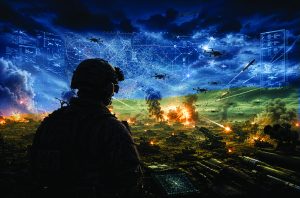


Energy and the availability of reliable power at forward operating locations have long represented some of the greatest logistical challenges facing armies during major conflicts. Winning prolonged wars requires control over energy supplies. This has prompted some Western assessments to emphasise the need for the US Navy to maintain reliable energy supplies in any potential future conflict in the Western Pacific. While conventional energy supplies, such as oil and natural gas, must be transported by sea, making them vulnerable to attacks and disruption of supply lines, some studies have proposed developing geothermal energy systems as an alternative that could help ensure continuity of energy supplies during future wars.
Geothermal Energy: An Emerging Strategic Resource
Against the backdrop of current international efforts to transition towards clean, low-carbon energy sources, as well as growing efforts by states to strengthen their strategic energy sovereignty, geothermal energy is emerging as a promising option that could reshape global energy dynamics.
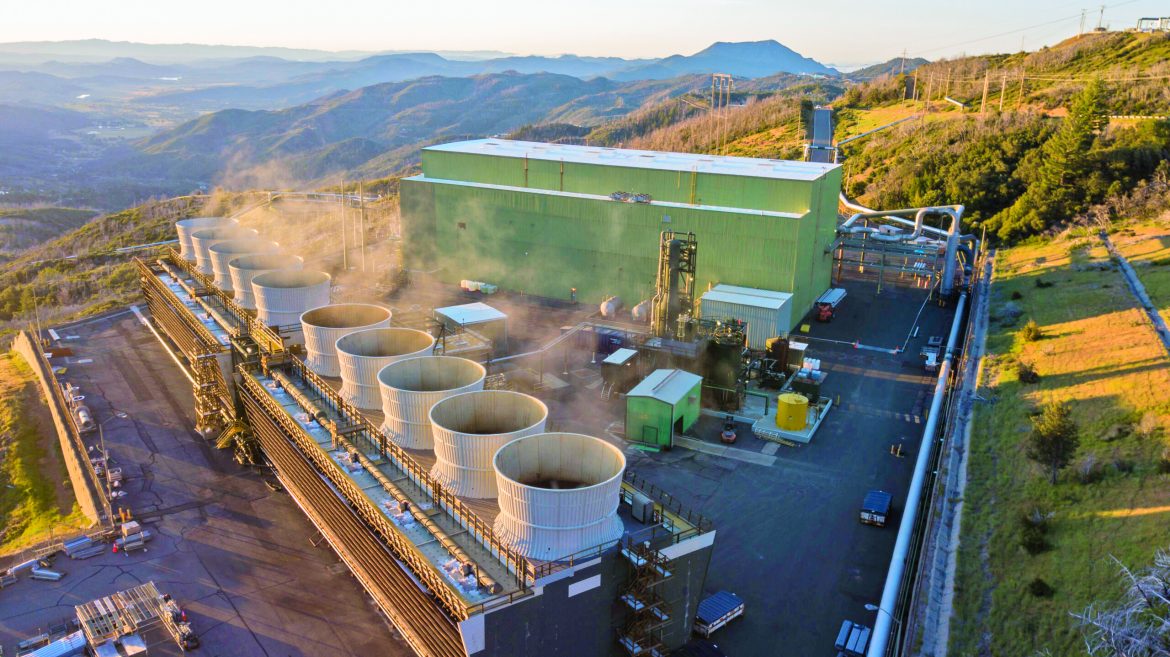
Conventional and nuclear power plants generate electricity by using fuel oil or nuclear fission to produce steam, and drive turbines. Geothermal energy operates on a broadly similar principle. However, it does not require fuel to generate electricity. Instead, geothermal systems harness the flow of underground fluids, whether water or steam, at high temperatures to produce energy. The use of geothermal energy dates back many decades. Humans have long exploited the Earth’s internal heat for various purposes, including heating and cooking. This thermal energy is contained in the rocks and fluids beneath the Earth’s crust and is generated at depths reaching approximately 4,000 miles below the Earth’s surface. As a sustainable energy source, geothermal energy can help meet the world’s growing energy requirements. Some studies trace the beginning of modern geothermal power generation to 1904 in Larderello, Italy, where an experimental 10-kilowatt generator was established. This was followed by the construction of a 250-kilowatt commercial unit in 1913. Italy remained the world’s only producer of electricity from geothermal energy until 1958, when New Zealand entered the field by establishing an 11.2-megawatt generating unit at Wairakei. By 1967, countries including Mexico, Russia and the United States had begun developing geothermal power plants. Japan and China followed in 1970, alongside Iceland. The use of geothermal energy subsequently expanded at an annual rate of 6.2 percent during the post-Second World War period. The US Navy also began employing the technology in the late 1980s at the Naval Air Weapons Station China Lake in California.
Geothermal Technologies and Applications
Geothermal energy systems are used across three main areas. The first involves direct applications, including district heating systems and heat pumps for individual buildings, as well as electricity generation.
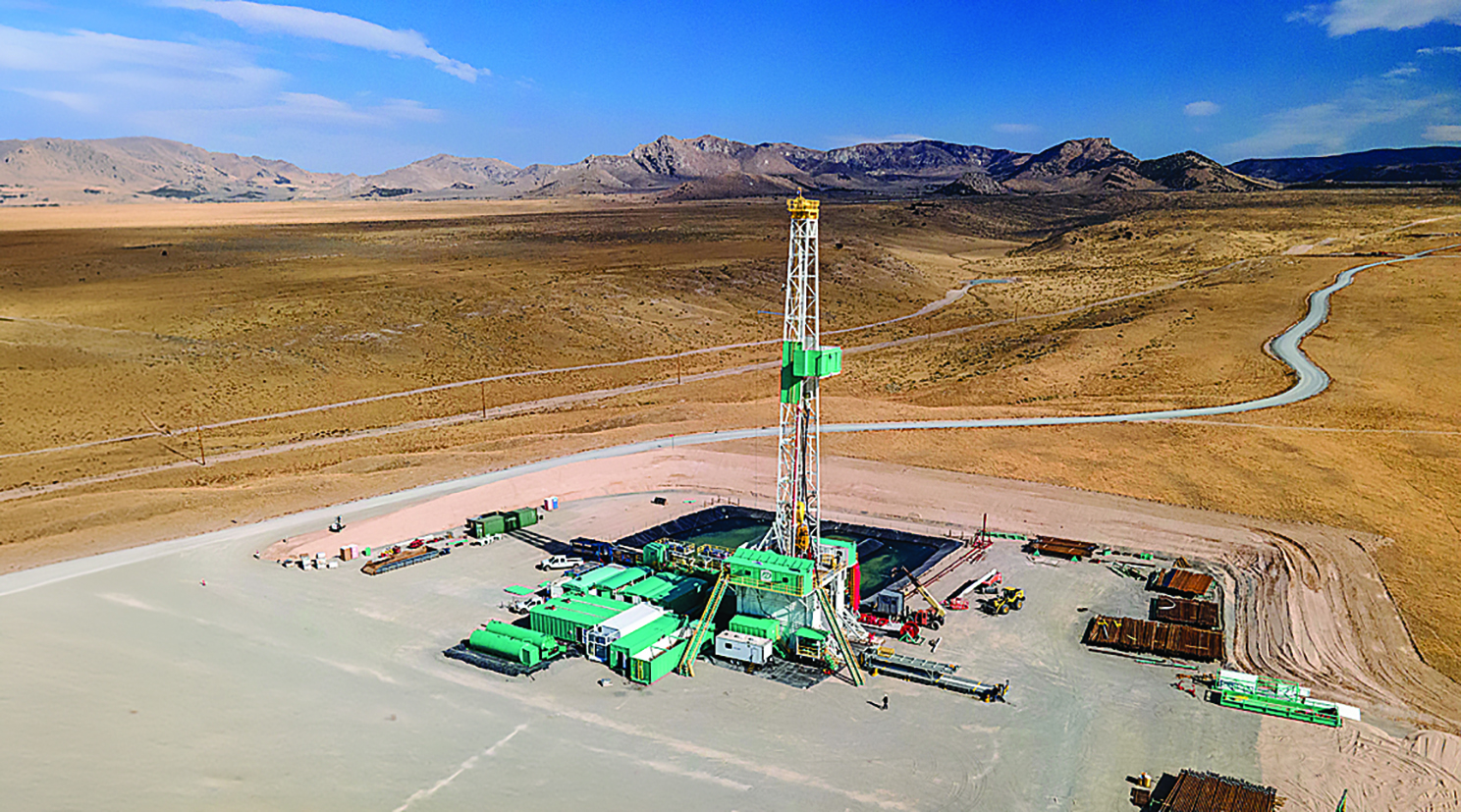
Geothermal electricity generation technologies can be broadly divided into conventional geothermal systems and next-generation geothermal systems. The latter include Enhanced Geothermal Systems (EGS), which require hydraulic fracturing to create a reservoir, and Advanced Geothermal Systems (AGS), which use a closed-loop system as an alternative to fractured-rock reservoirs.
Geothermal energy can be obtained from two principal sources. The first is hot groundwater, while the second consists of hot rocks located deep beneath the Earth’s surface. Converting this heat into electricity can be achieved through three main types of plants: dry-steam plants, flash-steam plants and binary-cycle power plants. Asia and Oceania are estimated to account for the largest installed geothermal capacity.
In terms of temperature, geothermal resources can broadly be divided into two categories. The first consists of high-enthalpy geothermal reservoirs, where temperatures exceed 200°C. The second comprises low-enthalpy geothermal reservoirs, where temperatures do not exceed 150°C. A number of countries are currently exploring and developing their geothermal resources, including Italy, New Zealand, Mexico and Iceland.
Electricity generation was previously limited largely to resources with temperatures above 150°C. However, advances in geothermal power-plant technology have made it possible to generate electricity from resources with temperatures as low as 90°C through the use of the Organic Rankine Cycle in binary power units.
International Efforts to Expand Geothermal Energy
The International Geothermal Association (IGA) organises the World Geothermal Congress (WGC) to discuss the future and innovations of this vital sector. The first congress was held in Italy in 1995. The congress was subsequently scheduled to take place every three years, with China hosting the 2023 edition and Canada hosting the 2026 edition. The next edition is scheduled to take place in Kenya in 2029, reflecting the country’s emergence in recent years as a leading geothermal power in Africa. In a related development, the International Renewable Energy Agency (IRENA) launched the Global Geothermal Alliance (GGA) in 2015, with the aim of increasing geothermal power generation fivefold by 2030.
The Global Geothermal Energy Landscape
In December 2022, global installed geothermal capacity stood at approximately 16,318 megawatts across 32 countries, with a total of 198 geothermal fields in operation. This represented a relatively small share—approximately 0.16 percent—of the world’s total installed electricity-generation capacity, which stood at around 10,216,390 megawatts that year. Geothermal power generation from these fields reached approximately 96,552 gigawatt-hours in 2021, accounting for 0.34 percent of global electricity production and 0.87 percent of total global clean, low-carbon energy production. The United States leads the global geothermal sector, accounting for 22.2 percent of total geothermal capacity worldwide. California’s Geysers field is the world’s largest geothermal field. Indonesia follows with 14.1 percent, ahead of the Philippines at 11.5 percent, Türkiye at 8.4 percent, Italy at 7.5 percent, Japan and Mexico at 6.1 percent each, and Kenya at 5.7 percent. Geothermal-generated electricity accounts for more than 10 percent of total electricity generation in seven countries, most notably Kenya, Iceland and El Salvador. Geothermal energy is expected to gain further prominence in the coming years, particularly amid growing international attention to climate change and efforts to keep global warming below the 1.5°C threshold.
Geothermal Energy and Future Military Operations
The strategic value of geothermal energy extends beyond its contribution to the global transition towards cleaner energy. Its ability to provide continuous power without relying on fuel deliveries could make it particularly relevant to military operations conducted under conditions in which conventional supply lines are vulnerable to disruption.
For military forces operating at forward bases, dependence on fuel transported over long distances creates a logistical vulnerability. Geothermal systems, where suitable resources are available, could provide a more resilient source of power by drawing directly on underground heat rather than relying on continuous fuel deliveries. The experience of the US Navy at China Lake demonstrates the potential of geothermal energy for military applications. The Navy has maintained a dedicated geothermal programme at the installation, where geothermal resources have been developed for power generation. More recently, US defence authorities have continued to examine the deployment of geothermal technologies at military installations as part of efforts to strengthen energy resilience and reduce dependence on vulnerable energy supply chains. This raises the possibility that geothermal energy could become not merely an environmental or economic resource, but also a strategic component of energy security during future conflicts. In regions with suitable geological conditions, geothermal installations could help transform military bases from energy-dependent logistical liabilities into more resilient power centres capable of sustaining critical operations even when conventional supply chains come under pressure.
The Strategic Importance of Geothermal Energy Systems
Direct applications of geothermal energy have long been an established practice around the world. Estimates indicate that people in Japan have historically relied heavily on geothermal energy for domestic purposes, while other countries have used hot springs for agriculture and aquaculture. Over time, however, geothermal energy has developed a much broader range of applications, from district heating, as seen in Iceland and China, and greenhouse heating in Hungary, to industrial uses in New Zealand and, increasingly, military applications aimed at enhancing resilience and strategic energy sovereignty. Geothermal energy systems offer several key advantages. One of their most significant characteristics is the difficulty of targeting or destroying their underlying energy sources. In addition, these systems are considered less hazardous than nuclear or petroleum-based power plants. Unlike solar and wind power, geothermal power plants can operate continuously and at full capacity. Geothermal systems can also be used to produce hydrogen fuel, while their operating costs are relatively low. As a renewable energy source, geothermal energy can contribute to heating buildings and providing continuous thermal energy without significant emissions. Geothermal power plants release approximately 13–380 grams of carbon dioxide per kilowatt-hour of electricity generated, compared with around 453 grams for natural-gas-fired plants, 906 grams for oil-fired plants and approximately 1,042 grams for coal-fired plants.
Enhanced Geothermal Systems (EGS) can also rival nuclear power in terms of resilience and their ability to provide heat for buildings, district heating and industrial processes. However, unlike nuclear energy, geothermal power does not generate highly radioactive waste requiring specialised and costly management. Furthermore, extracting geothermal energy from beneath the Earth’s surface requires many of the same technologies and capabilities used in oil and gas extraction. Some estimates suggest that up to 80 percent of skills used in the hydrocarbons sector can be transferred to geothermal energy, allowing workers with experience in oil and gas to transition into the geothermal sector.
Geothermal energy supply chains also do not face the same vulnerabilities associated with some other low-carbon energy sources. Solar energy, for example, has highly concentrated supply chains, with more than 80 percent of global solar manufacturing capacity located in China, while many of the inputs required for solar production also depend heavily on Chinese supply chains.
The International Energy Agency estimates that geothermal energy could meet approximately 15 percent of global electricity-demand growth by 2050, with annual generation reaching around 6,000 terawatt-hours. This would be equivalent to the current combined electricity consumption of the United States and India and could require potential investments of approximately $140 billion.
In this context, geothermal energy could enhance the resilience, efficiency and operational effectiveness of US military bases. Energy supplied from outside these bases represents a major component of their direct and logistical costs, while also constituting a significant vulnerability. Geothermal energy systems could therefore provide military installations overseas with more reliable and cost-effective power supplies, increasing their resilience and strengthening strategic planning.
The Critical Role of Energy Supplies in Warfare
Energy resources are a fundamental pillar of military operations. As a result, energy has become a central factor in global competition and conflict, particularly as states compete for control over energy resources and supply routes. The first major transformations in the strategic role of energy emerged with the beginning of the Industrial Age. Their impact became evident during the American Civil War (1861–1865), when the Northern states possessed coal while the Southern states controlled cotton. Coal enabled the North to develop steel production and steam engines, which in turn facilitated the expansion of railways capable of rapidly transporting troops and supplies. It also supported the use of steamships to enforce the naval blockade, giving the Northern forces under Abraham Lincoln a strategic advantage over the South.
The strategic importance of coal was similarly demonstrated during the Franco-Prussian War in 1870 and the Russo-Japanese War of 1904–1905.
The First World War marked the beginning of a new era in the strategic role of energy in warfare, as oil increasingly replaced coal. In 1911, British Prime Minister Winston Churchill ordered the Royal Navy to replace coal-fired propulsion systems with oil-powered systems. Oil produced less visible smoke, making naval vessels more difficult to detect. This transition became firmly established during the First World War, as aircraft and tanks increasingly depended on oil.
Oil supplies consequently became a critical strategic issue, prompting British oil companies to establish an early presence in the Middle East and Persia. In December 1917, French Prime Minister Georges Clemenceau sent an urgent telegram to US President Woodrow Wilson stating that “gasoline is as vital as blood in battles”.
Energy and the Course of the Second World War
The Second World War further increased the importance of oil in warfare. Access to oil and energy supplies played a major role in determining the course of the conflict.
The US oil embargo imposed on Tokyo contributed to Japan’s decision to attack Pearl Harbor and subsequently expand its Asian empire into oil-rich Indonesia and Burma. Similarly, Adolf Hitler’s invasion of the Soviet Union took a decisive turn when German forces were diverted away from Moscow towards the oil-rich Caucasus and the approaches to Stalingrad.
Similarly, allied bombing campaigns against German fuel facilities between 1944 and 1945 contributed significantly to the collapse of the Nazi war machine. The United States also established the Petroleum Administration for War to strengthen cooperation with private companies and accelerate production. This initiative helped domestic US sources provide approximately 85 percent of the Allies’ total oil and petrol consumption.
Following the Second World War, the strategic importance of energy resources continued to grow, particularly from the 1970s onwards, when oil-producing states in the Middle East imposed an oil embargo.
The historical record therefore demonstrates that energy is not merely a supporting component of military power. Rather, the availability, security and resilience of energy supplies can directly influence a military’s ability to sustain operations, move forces, maintain industrial capacity and withstand prolonged conflict. This historical experience provides an important context for examining the potential role of geothermal energy systems in future wars.
Energy in Modern Conflicts
Similarly, recent conflicts have demonstrated the strategic importance of energy resources in warfare. This has been particularly evident in the Russia–Ukraine war, as well as the Iran war, where energy has increasingly become a direct battlefield and energy infrastructure has emerged as a direct target. These conflicts have therefore demonstrated that energy supply chains—including fuel, batteries and electronic components—remain a major vulnerability. Against this backdrop, some Western reports point to ongoing global transformations in the energy sector. Renewable energy is experiencing significant growth, reflected in global investment in clean-energy technologies, which exceeded investment in fossil fuels in 2025, reaching approximately $2.2 trillion. The military implications of this energy transition are also becoming increasingly apparent. Europe, for example, has experienced a sharp decline in its capacity to refine liquid fossil fuels despite a significant increase in demand. At the same time, battery-powered unmanned aerial vehicles accounted for approximately 70 percent of total battlefield losses in the Russia–Ukraine war.
Consequently, militaries are becoming increasingly dependent on reliable electricity supplies, and demand for such supplies is likely to grow as energy-intensive weapons become more widespread. These include counter-drone laser systems and signal-jamming equipment, alongside the expanding use of electric power in military vehicles.
Geothermal Energy Systems and Energy Supplies During Wars
Military bases currently tend to rely on connections to electricity grids supported by diesel generators. However, this system has become increasingly vulnerable, as fuel supplies represent a critical weakness in conflicts between peer or near-peer forces. Against this backdrop, a growing body of Western analysis has highlighted the need to shift towards renewable energy as a promising means of strengthening military resilience and strategic autonomy during conflicts and wars. Several potential alternatives have been proposed, including portable batteries supported by solar or wind power. However, these sources continue to face a fundamental challenge: their inability to consistently provide stable electricity flows. Attention has therefore increasingly turned towards more stable alternatives, including Small Modular Reactors (SMRs) and geothermal energy projects. The US Army has begun testing some mobile nuclear reactors, while Project Pele is currently developing small reactors that can be transported in standard shipping containers. Nevertheless, these reactors continue to present significant technical and security challenges.
Geothermal energy projects, by contrast, have been identified in some reports as potentially offering a more reliable and stable option. This assessment is supported, in part, by experiments conducted by the US Air Force on geothermal projects in California. Some US reports have also identified a major challenge facing the US Navy in any potential future conflict in the Western Pacific: securing energy supplies at forward operating locations. US military installations in the region, particularly those in Guam, the Philippines, the Aleutian Islands, Hawaii and Okinawa, require continuous supplies of oil and natural gas, most of which are transported by sea. This leaves them vulnerable to disruption or attacks on supply routes during a future conflict. Against this backdrop, these reports suggest that deploying geothermal power plants could allow many forward operating installations in the region to become energy self-sufficient and less vulnerable to attacks during future conflicts. Most major US military installations in the Western Pacific are located near active geothermal areas in the Pacific region. The heat available near these bases could therefore be harnessed to develop geothermal energy systems, potentially allowing the US Navy to overcome the burden of energy logistics and enhance its ability to project power.
US Military Efforts to Expand Geothermal Energy
In a related development, the US Air Force has launched an innovative project to provide power to Joint Base San Antonio in Texas through geothermal technology, in cooperation with Canadian company Eavor and US-based Chesapeake Energy.
The project forms part of the US Department of War’s initiative to expand the use of geothermal energy across a large number of US military installations and ensure sustainable power supplies amid growing challenges in this area. Under the initiative, the Defense Innovation Unit (DIU) has partnered with the US Air Force, Navy, Army and Marine Corps to develop US geothermal capabilities in cooperation with six specialised companies: Eavor, Fervo Energy, GreenFire Energy, Sage Geosystems, TEVERRA and Zanskar. Amid China’s growing dominance of renewable energy resources, the United States increasingly views geothermal energy as a strategically important field through which it can respond to China’s leadership in clean energy. Geothermal energy represents one of the relatively few areas in which US companies retain a competitive advantage, compared with China’s dominance of clean-energy supply chains. Washington also sees geothermal energy as a potential means of strengthening the resilience of its energy supplies in future military confrontations. Recent innovations have made the construction and deployment of geothermal power plants considerably more feasible. Previously, geothermal development depended largely on naturally occurring geological formations at relatively shallow depths, limiting suitable sites mainly to areas near the “Ring of Fire”—a chain of volcanoes stretching approximately 25,000 miles around the Pacific Ocean. New technologies, however, have made geothermal energy accessible across much of the world. The United States is therefore seeking to build on expertise developed through the Department of Energy’s Utah FORGE project to advance and improve geothermal technologies. It is also seeking to leverage the physical capital base, supply chains and technical capabilities of the oil and gas industry and transfer them to geothermal energy production.
The Geostrategic Dimension of Geothermal Energy
Geothermal energy also has a broader geostrategic dimension that extends beyond direct military applications. This was demonstrated by the repercussions of the Russia–Ukraine war, which exposed the vulnerability of European dependence on Russian energy supplies. Consequently, some studies have begun to identify geothermal energy as a strategic option that European powers could use to strengthen their strategic autonomy.
Taiwan faces a similar challenge. The island relies almost entirely on energy imports transported by sea, with approximately 97 percent of its energy supplied through maritime shipping. Liquefied natural gas (LNG) is the primary source of Taiwan’s energy and electricity, creating a critical vulnerability that could expose the island to significant risks in the event of a future Chinese blockade.
At the same time, Taiwan shut down its last nuclear reactor in May 2025, which had been used to generate electricity. Although the Taiwanese government has considered revisiting its nuclear-energy options, the issue continues to face domestic opposition. Against this backdrop, Taiwan has begun expanding its reliance on geothermal energy as part of efforts to strengthen its energy independence and avoid future energy crises in the event of a potential confrontation with China.
Opportunities and Existing Challenges
Despite geothermal energy’s currently limited contribution to the global energy mix, it remains highly significant for certain countries, particularly those located in areas with high levels of volcanic activity, such as Mexico, Italy, Türkiye and Ecuador. These countries are expected to intensify their efforts to develop geothermal energy, alongside current US efforts, led by US military units, to improve geothermal technologies and expand their use. This trend could be further supported by the potentially growing energy requirements of artificial intelligence data centres, which may encourage major technology companies to invest in geothermal energy. This was reflected in the announcement by US-based Meta of its interest in purchasing geothermal power. Nevertheless, the future expansion of geothermal energy will require addressing several existing challenges, including potential environmental risks and social acceptance in areas where geothermal plants are developed. Moreover, although the cost of geothermal power generation has declined compared with previous decades, drilling remains relatively expensive. There is also considerable uncertainty regarding the quality of underground geothermal resources during the initial stages of projects. At the same time, although Enhanced Geothermal Systems (EGS) have helped expand the geographical scope of geothermal fields, the economic viability of geothermal energy remains linked to areas with favourable geological conditions. Geothermal energy therefore remains largely at the demonstration stage rather than having achieved widespread deployment.
Conclusion
Geothermal energy reflects a dual role in the context of future conflicts and wars. On the one hand, it represents a means of strengthening resilience and protection, potentially shielding military bases and critical infrastructure from logistical attacks targeting energy supply lines. On the other hand, it represents a tool of geopolitical stability that can help reduce dependence on potential adversaries for energy supplies. Consequently, geothermal energy could transform traditional energy vulnerabilities into sources of strength in future conflicts, providing militaries and states with a more resilient and strategically autonomous energy infrastructure.
By: Adnan Moussa
(Assistant Lecturer, Faculty of Economics and Political Science, Cairo University)