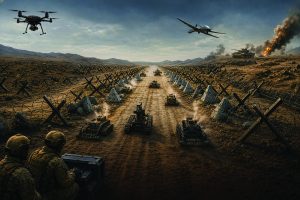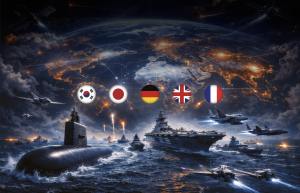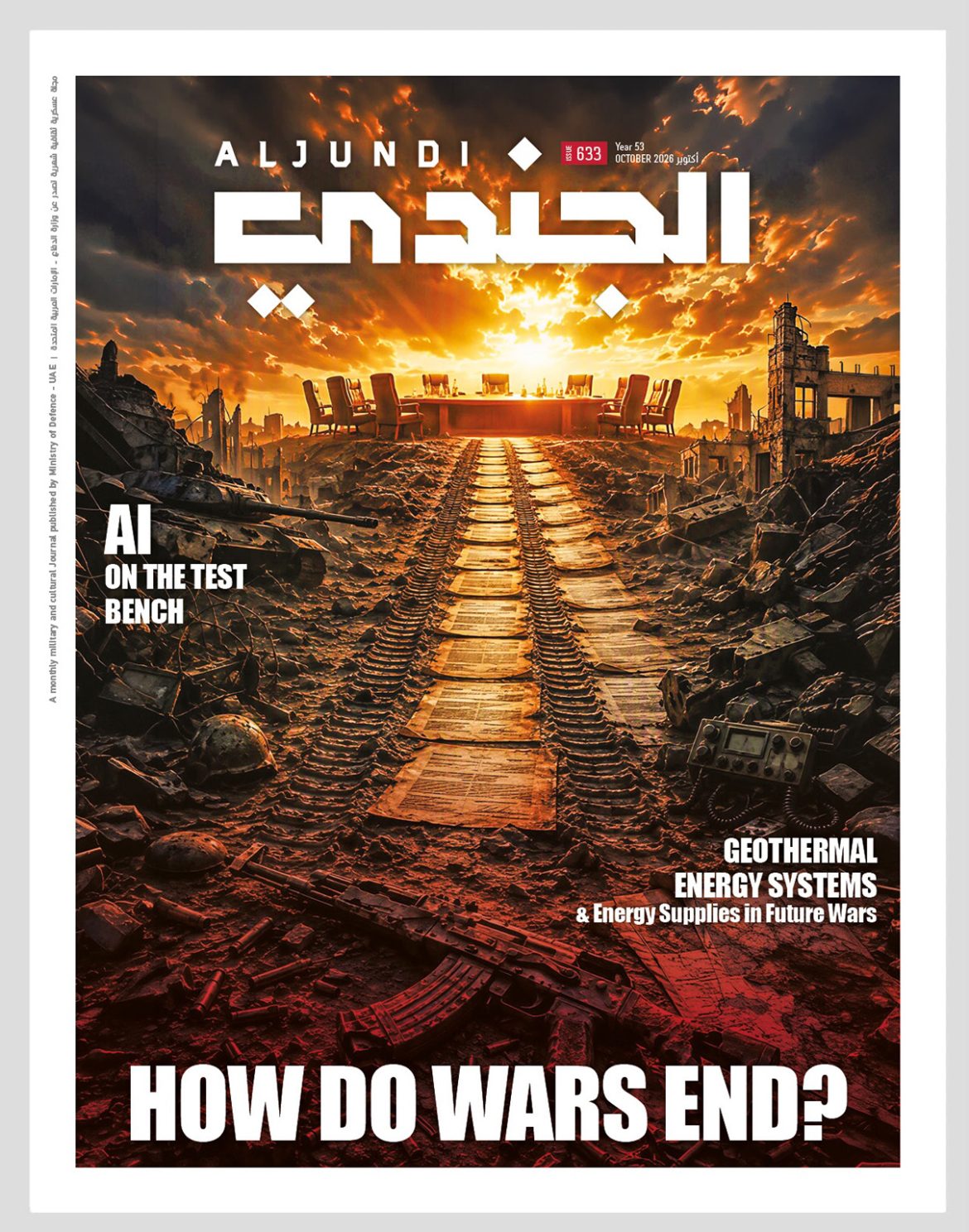


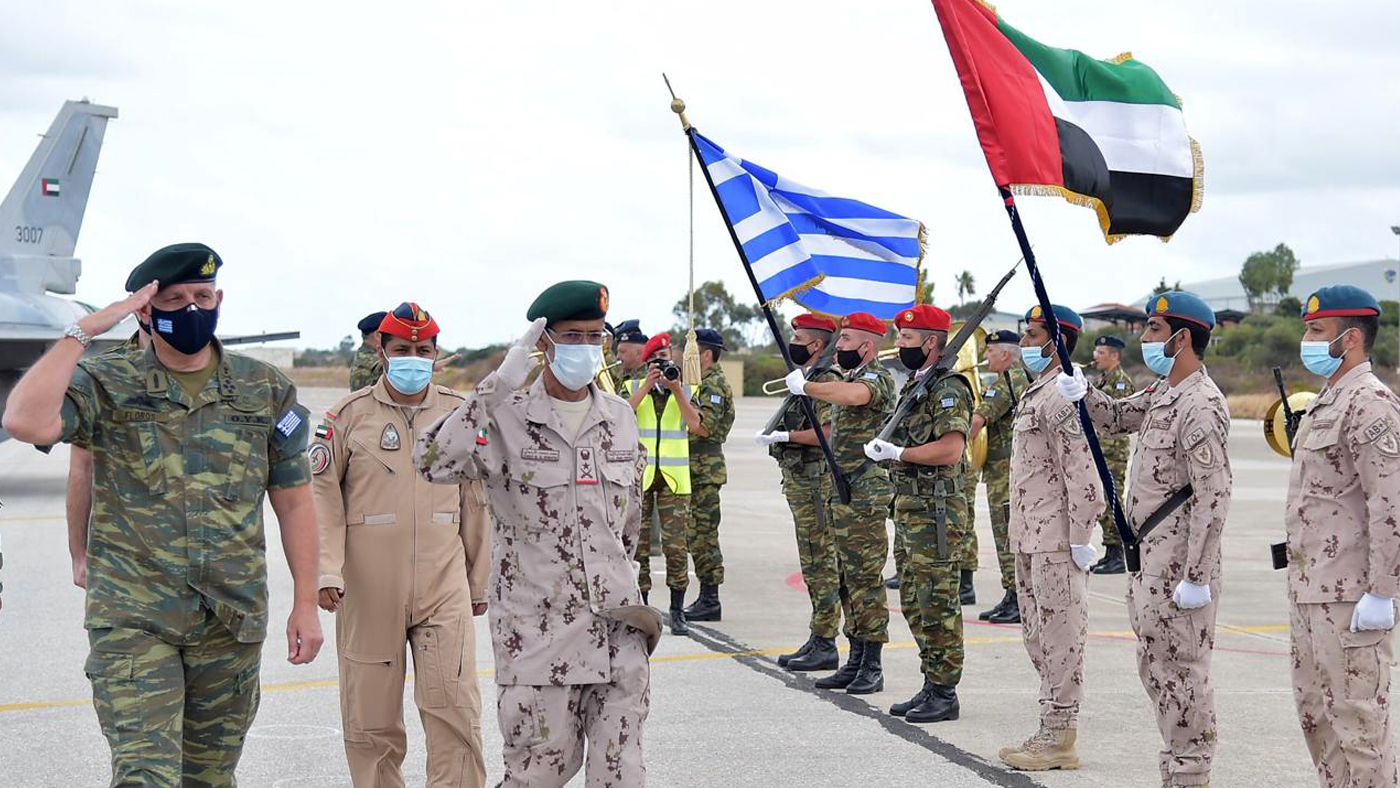
Contemporary wars are driving a profound transformation in strategic thinking, as defence doctrine is no longer viewed merely as a military and technical framework for organising the use of force. Instead, it has evolved into a comprehensive system reflecting how states interact with an increasingly complex security environment shaped by multiple sources of threat and the growing overlap between military, economic, and technological dimensions in a world marked by volatility and instability.
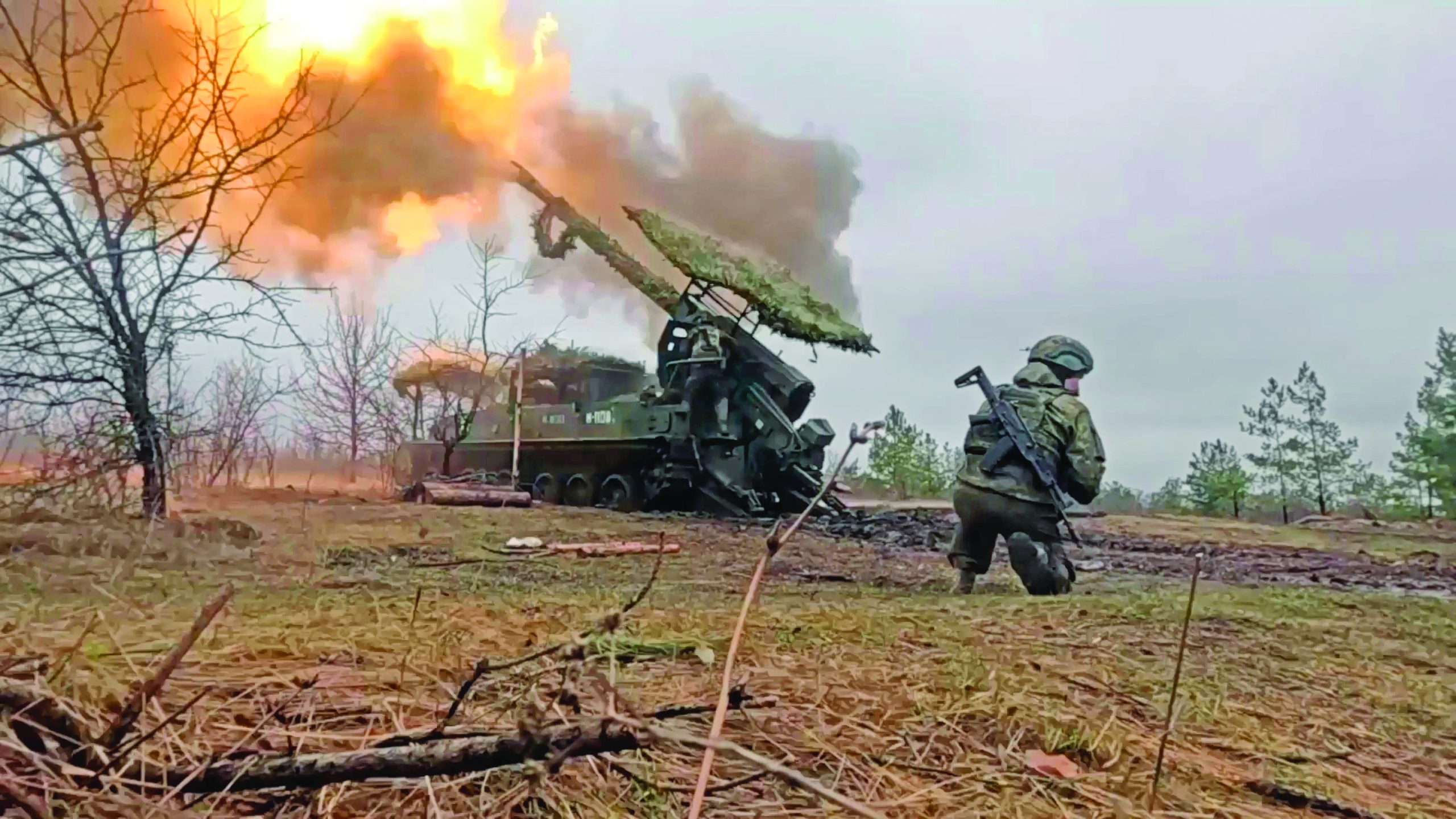
Recent conflicts reveal not only temporary shifts in military dynamics, but also structural weaknesses within traditional defence models. This reality has intensified calls to rethink defence doctrine in the post-war era through more comprehensive and flexible approaches capable of adapting to evolving conflict dynamics and managing uncertainty within the strategic environment.
Against this backdrop, the development of defence doctrine is no longer a theoretical option but a strategic necessity imposed by the nature of modern threats. Defence has evolved beyond the traditional concepts of protection and deterrence, but increasingly relies on a combination of resilience, integration, and sustainability. In an era characterised by rising asymmetric threats and the growing importance of economic and technological power, the strongest state is no longer simply the one with the largest military arsenal, but the one capable of redefining defence as a comprehensive system integrating military power, societal resilience, and economic endurance. As a result, the future of defence doctrines is moving towards a multidimensional model that reshapes the balance of power in the post-war world. The objective is no longer limited to preventing war, but also includes managing conflict when it occurs, containing its consequences, and ensuring national continuity despite prolonged crises.
In this context, the experience of North Atlantic Treaty Organization following the Russia–Ukraine war provides a significant example of how major crises compel states and alliances to reassess defence priorities and redefine concepts such as deterrence, readiness, and strategic autonomy. The Ukrainian conflict pushed the alliance back towards its core mission of collective defence after years focused on external operations, particularly in Afghanistan. The Newport Summit also represented a turning point, reinforcing collective defence, interoperability, and increased European defence spending as central strategic priorities.
Similarly, recent conflicts, including regional confrontations involving Iran, Israel, and the United State demonstrate that contemporary wars are no longer confined to traditional military confrontations. Instead, they have become testing grounds for redefining deterrence, readiness, resilience, and the integration of military and non-military instruments within an increasingly interconnected and complex strategic landscape. Accordingly, this study seeks to analyse these transformations by examining the key strategic lessons reshaping defence doctrines among states affected by modern wars. It aims to establish a broader understanding of defence as a multidimensional system capable of adapting to a strategic environment defined by complexity and uncertainty.
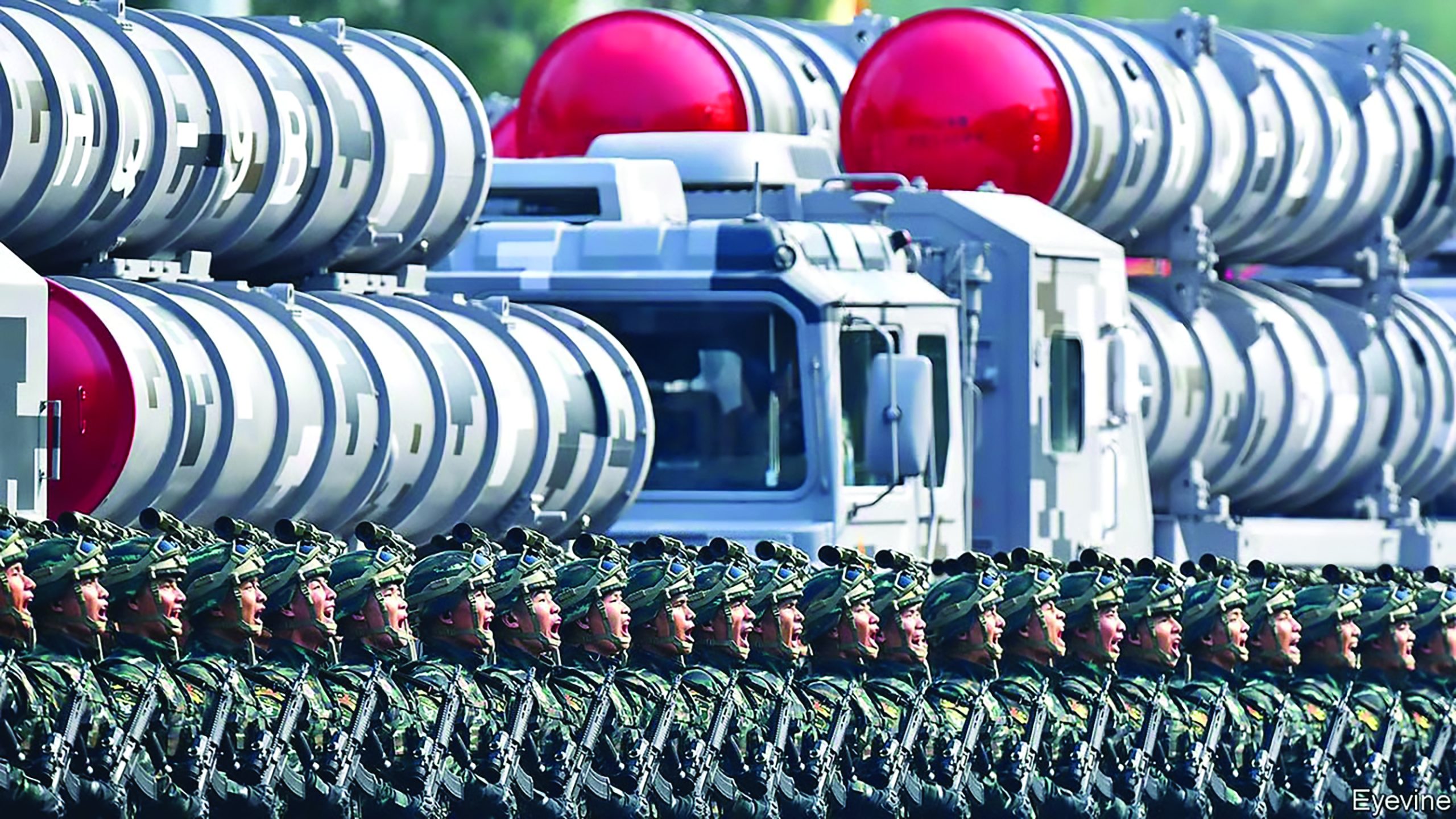
Strategic Lessons Reshaping Defence Doctrine After Contemporary Wars
1. The Collapse of the Assumption of Shared Rationality: Contemporary wars have exposed the limits of the assumption of shared rationality in international relations. The behaviour of international actors is no longer governed by a mutually accepted rational logic or stable and predictable rules, but increasingly shaped by power calculations and strategic interests. Recent crises, including Iranian attacks targeting Gulf states despite efforts to avoid escalation and prevent direct war, demonstrated that international actors do not always act according to what others perceive as “rational”. International law and institutional norms, while still important, may lose effectiveness when they conflict with calculations of power and strategic interests. As a result, this transformation requires rebuilding defence doctrines on the basis of preparing for worst-case scenarios rather than assuming the stability of the international system. Defence planning is therefore shifting from a logic of prediction towards one centred on managing uncertainty and preparing for unexpected escalation within an increasingly volatile strategic environment.
2. Wars as a Mechanism for Reshaping Defence Doctrines: Contemporary conflicts have also demonstrated that wars do not necessarily dismantle existing defence doctrines, but rather reorder their priorities and redirect them according to emerging threats. Wars function as revealing moments that force states to reassess previous assumptions and conduct practical reviews of security and defence concepts. This shift is particularly evident in NATO’s transformation following the Ukraine war, as the alliance returned to the logic of collective defence after a prolonged period focused on external interventions and distant crisis management. The transformation reflects a broader transition from an intervention-oriented defence model towards one centred on protecting the immediate strategic sphere and strengthening internal readiness. Consequently, wars increasingly serve as dynamic mechanisms for redefining security priorities and redirecting defence doctrines in line with an evolving strategic environment characterised by growing and increasingly complex threats.
3. Sustainable Operational Readiness as the Core of Military Effectiveness: Contemporary wars have also demonstrated that possessing advanced military capabilities alone does not guarantee operational effectiveness without the ability to activate them rapidly and efficiently. Military strength has evolved beyond being measured solely by the size of an arsenal or the sophistication of equipment, but by the ability of armed forces to translate capabilities into operational action at the right moment. This was particularly evident during the Russia–Ukraine war, where Russia, despite its quantitative and qualitative military superiority, faced difficulties in achieving a swift and decisive outcome during the initial stages of the conflict. In this context, operational readiness has emerged as a decisive component of modern defence doctrine. It depends on the integration of rapid strategic and operational decision-making, effective coordination between military units, interoperability among forces, and the efficiency of intelligence and early warning systems. This reflects a broader shift from the logic of “possessing power” to that of “activating power”, where superiority is increasingly determined by a state’s ability to respond quickly, adapt to battlefield developments, and conduct operations with high efficiency. As a result, military powerstopped being viewed as a static asset, but rather as a dynamic capability defined by the readiness of the defence system to respond immediately and effectively within an increasingly complex and fast-moving strategic environment.
4. Contemporary Warfare as a Hybrid, Multi-Level Conflict: Narrative Warfare and the Battle for Perception: Modern conflicts have also revealed a qualitative transformation in the nature of warfare. War has shifted away from being confined to direct military confrontation, but has evolved into a hybrid, multi-domain phenomenon in which conventional and unconventional tools are deeply intertwined. Recent conflicts demonstrate that military operations are now integrated with economic and energy pressure, intelligence operations, media influence, and cyberattacks. Within this framework, attacks do not always take a direct or visible form. Instead, they are conducted simultaneously across multiple levels aimed at gradually weakening the adversary, whether by targeting economic structures, disrupting supply chains, or shaping public perception. This transformation reflects a shift from war as a purely military clash to a comprehensive process of conflict management across interconnected domains. Consequently, defence doctrines must expand beyond traditional military dimensions to include economic, cyber, informational, and cognitive domains, while strengthening multi-level response capabilities and integrating the role of narratives in conflict management. One example of this dynamic emerged when Donald Trump declared victory in the confrontation with Iran, asserting that much of Iran’s leadership had effectively “disappeared”, amounting to regime change, and claiming that the country had lost its fleet, air force, and effective anti-missile and anti-aircraft capabilities. However, multiple media outlets, including American media organisations, presented contrasting narratives describing different outcomes. Accordingly, defence is no longer limited to protecting borders alone. It has become increasingly concerned with safeguarding the state’s comprehensive system across all dimensions within a strategic environment characterised by complexity, overlap, and rapid change.
5. Military Superiority and the Limits of Effectiveness: The Centrality of “Disruptibility”: Recent wars demonstrate that possessing advanced defence systems and superior military capabilities does not guarantee complete security. Asymmetric threats, particularly low-cost drones and missiles, have proven capable of causing sustained disruption to critical sectors. In this context, the concept of “disruptibility” has emerged as a crucial dimension in understanding contemporary security. Vital infrastructure, including energy, water, and communications systems, has become a primary target in modern conflict. This reflects a transition from war as direct military confrontation to a war of attrition aimed at undermining the functional structure of the state itself. As a result, military superiority alone is no longer sufficient to ensure stability. Security has become increasingly linked to a state’s ability to protect critical infrastructure and guarantee the continuity of essential functions. Power is therefore redefined not merely by deterrence capabilities, but by a state’s ability to reduce its vulnerability to disruption and maintain continuity in the face of asymmetric threats. In this regard, the United Arab Emirates presented a notable example during the conflict linked to Iran by successfully protecting its critical infrastructure, ensuring the continuity of strategic functions, and emerging stronger than before the conflict through exceptional cohesion between its leadership, armed forces, institutions, citizens, and residents.
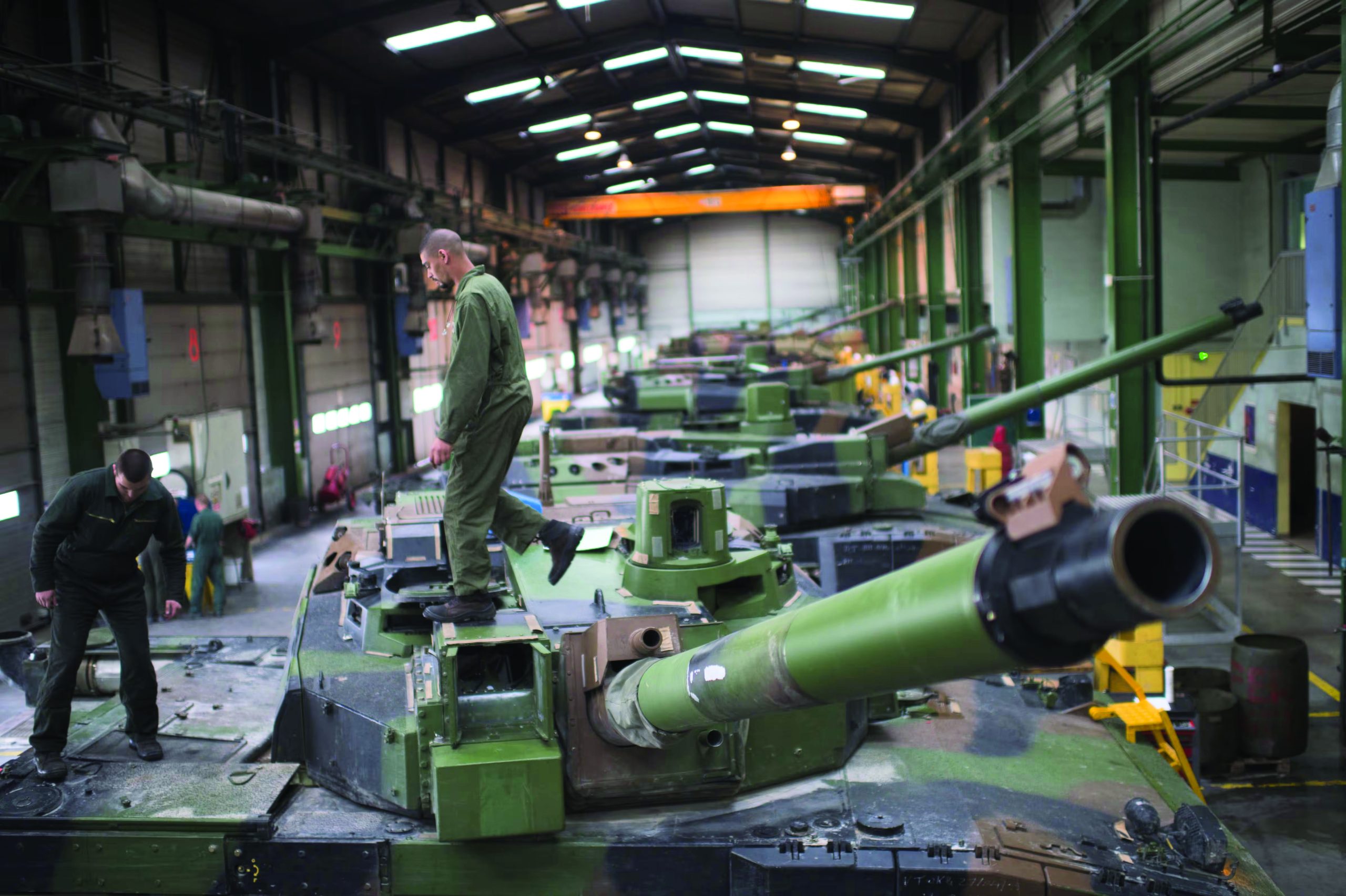
6. The Return of the State as a Central Yet Flexible Defence Actor: Contemporary wars also reveal the return of the state as the central actor in organising the defence sphere after a period marked by the growing role of non-state actors and increasing reliance on transnational security arrangements. However, this return does not signify a restoration of the traditional militarised state model, but rather the emergence of a flexible defence state redefining its role within a complex and evolving strategic environment. This transformation is reflected through enhanced military readiness, the rebuilding of defence capabilities, the alignment of industrial and economic policies with security objectives, and the integration of sustainability and resilience into defence planning. It also involves the recentralisation of strategic decision-making while maintaining openness to partnerships and alliances. The European experience, particularly in France, clearly illustrates this shift. Recent strategic transformations have prompted a reassessment of the state’s defence role through efforts to strengthen strategic autonomy, redirect defence industrial policies, and intensify investment in military and technological capabilities. This reflects the re-emergence of the state as a central guarantor of national security without abandoning the logic of alliances. Ultimately, this transformation marks a shift from viewing the state merely as a military actor towards a more integrated model in which security, economics, and technology are interconnected. This enhances the state’s ability to adapt, respond, and endure in the face of multidimensional threats. In the post-war era, the state increasingly functions as the central coordinator of a comprehensive defence system rather than simply an operator of military force, acting instead as a strategic manager of the interaction between all components of national power.
7. The Economy as a Decisive Variable in Defence Capability: Within the contemporary strategic environment, the economy is no longer merely a supporting factor for military operations, but has become a decisive variable in determining a state’s defence capability and its ability to sustain prolonged conflicts. Recent wars have demonstrated that military superiority cannot be maintained without an economic base capable of financing operations, compensating for attrition, and ensuring continuity of production. Accordingly, the centrality of the defence economy is reflected through military-related industrial and production capacity, achieving a degree of energy independence to reduce strategic vulnerability, the efficient management and allocation of resources towards defence priorities, and the protection of vital supply chains. This transformation reflects a shift from viewing the economy as a supplementary instrument of war to recognising it as a structural pillar of security and defence. A state’s capacity to endure and sustain conflict is therefore increasingly determined by the resilience of its economic structure and its ability to adapt to the pressures of war.
8. Resilience as a Key Measure of Modern Power Power in the contemporary strategic environment is no longer measured exclusively by deterrence capabilities or military superiority. Increasingly, it is defined by a state’s ability to withstand shocks and disruptions. Recent wars have shown that fully preventing attacks is no longer a realistic objective in the face of asymmetric threats, leading to a redefinition of power as the capacity to endure under pressure. In this context, resilience refers to an integrated system of capabilities that includes absorbing initial shocks and minimising their impact, ensuring the continuity of critical services and infrastructure, and rapidly recovering and rebuilding operational capabilities. Resilience extends beyond the military sphere to encompass societal, economic, and cyber dimensions, making social cohesion and institutional efficiency critical elements in preserving stability during crises. The growing prominence of resilience reflects a shift from the logic of “preventing threats” to that of “limiting impact”. The strongest state has ceased to be simply the one capable of preventing attacks, but the one able to endure, adapt, and continue functioning while minimising the consequences of attacks within a strategic environment characterised by uncertainty and complexity. In this regard, the Gulf states presented a notable model during the recent conflict linked to Iran, demonstrating an ability to maintain stability, preserve the continuity of vital functions, and emerge stronger than before the conflict.
9. The Return of the Nuclear Dimension in Deterrence Equations: Recent wars have also highlighted the return of the nuclear dimension as an active factor in reshaping deterrence equations, albeit in a form different from the classical Cold War model. What has emerged is a form of “interactive and integrated nuclear deterrence”, in which nuclear threats are used not only to protect vital interests or deter attacks, but also as strategic tools designed to secure military operations and prevent adversaries from escalating or intervening directly. This transformation reflects the reintegration of nuclear weapons into a broader and more complex deterrence framework in which conventional and unconventional escalation levels overlap. Nuclear threats have therefore become part of conflict management rather than merely instruments of containment. Accordingly, the nuclear dimension can no longer be treated as a separate element within defence doctrine. Instead, it must be integrated into a comprehensive strategic framework linking conventional and non-conventional capabilities. The return of the nuclear factor reflects a transition from static deterrence to dynamic, multi-layered deterrence in which nuclear threats are employed not only to prevent war, but also to shape its trajectory and limits within an increasingly complex strategic environment.
10. The Collapse of the “Stability Through Economic Interdependence” Theory: Recent conflicts have undermined the assumption that economic interdependence inherently guarantees stability and peace. The theory long held that deepening economic ties with major powers would naturally moderate their behaviour and reduce the likelihood of conflict. However, practical experience, particularly during the war in Ukraine, demonstrated the opposite, as economic and technological gains were used to strengthen military capabilities, develop hybrid warfare tools, and expand strategic influence. Against this backdrop, economic interdependence is no longer viewed solely as a stabilising factor, but increasingly as an instrument of power capable of reshaping the balance of conflict through energy leverage, supply chain manipulation, and technological dependency. This transformation reflects the reintegration of economics into the logic of security, requiring a shift away from separating the two domains towards a strategic approach that reconnects economics with security and defence considerations.
11. The Defence Industrial Base as a Structural Condition for Strategic Sustainability: Defence capability is no longer measured solely by the size of military arsenals or the sophistication of weapon systems. It is increasingly tied to the existence of a defence industrial base capable of sustained production and adaptation to the evolving requirements of conflict. Modern wars, particularly prolonged ones, have demonstrated that initial military superiority can rapidly erode in the absence of sustainable production capabilities able to compensate for attrition and support ongoing operations. In this context, the defence industrial base has become a structural pillar of modern defence doctrine, reflecting a transition from understanding defence as an immediate combat capability to viewing it as a long-term productive capacity. As a result, defence industries have become decisive factors in determining a state’s ability to endure, sustain operations, and manage wars of attrition within a strategic environment characterised by continuity and complexity.
12. Strategic Autonomy and Burden-Sharing Within Alliances: Contemporary wars have also highlighted that reliance on allies in its traditional form is no longer sufficient, necessitating a redefinition of relationships within alliances such as North Atlantic Treaty Organization. The model of unbalanced dependence on a central power is increasingly unable to guarantee security within a strategic environment characterised by complexity and multiple sources of threat. In this context, modern defence doctrine is based on a dual principle combining burden-sharing among alliance members with the preservation of strategic autonomy through maintaining national decision-making margins and independent capabilities. Accordingly, participation in alliances no longer implies the erosion of sovereignty. Instead, alliances can serve as instruments for enhancing defence capabilities, provided that a careful balance is maintained between interdependence and self-reliance. This transformation reflects a shift from viewing alliances as external protection mechanisms towards a more balanced model based on active strategic partnership, where capabilities are integrated without sacrificing autonomy.
13. Comprehensive Security and Multi-Dimensional Deterrence as the Foundations of an Integrated Defence System: Contemporary wars in Europe and the Middle East have clearly demonstrated a structural transformation in the concept of security. Security has expanded beyond the military sphere alone, but has evolved into a comprehensive system in which civilian and military dimensions are deeply interconnected. Energy sectors, infrastructure, and society itself have become integral components of the defence equation. This reflects a transition towards an integrated model in which security is redefined as the state’s ability to protect its overall system and ensure continuity under pressure. At the same time, deterrence is evolving towards a dynamic and multidimensional model that extends beyond military power alone. It increasingly relies on the integration of cyber, economic, and informational instruments aimed at shaping the adversary’s perceptions and influencing behaviour. Ultimately, comprehensive security and multidimensional deterrence converge within a unified strategic vision in which defence doctrine becomes a complex, multi-layered system integrating military power, economics, society, and technology. This integration enhances the state’s capacity to deter, adapt, and endure within an increasingly complex strategic environment.
Conclusion
This study demonstrates that contemporary wars are no longer merely military events measured by battlefield outcomes. They have instead become strategic laboratories reshaping concepts of power, security, and the limits of defensive action. The central lesson therefore lies not only in the evolution of the tools of warfare, but in the transformation of the logic of war itself: from conflict managed primarily through military force to a complex process driven by the interaction of military, economic, technological, and societal dimensions, with perception management and strategic narratives at its core. In this context, lessons drawn from contemporary wars in Europe and the Middle East reveal that the effectiveness of defence doctrine is no longer measured by the mere possession of capabilities, but by the state’s ability to mobilise, integrate, and operationalise them within a multidimensional system. Active defence reduces vulnerability to disruption, operational readiness transforms power into action, integrated deterrence shapes adversarial perception, resilience guarantees continuity, and strategic autonomy balances partnership with self-reliance. Together, these dimensions form a defence architecture capable of addressing conflicts that are no longer linear, but hybrid, multidimensional, and simultaneous across multiple levels. Accordingly, the true measure of power is no longer simply the ability to prevent war, but the ability to manage conflict, contain its consequences, and sustain national continuity if war occurs — an increasingly plausible possibility within a strategic environment characterised by uncertainty and persistence. Likewise, the state is no longer a reactive actor waiting for threats to emerge, but a proactive actor capable of reshaping its strategic environment through risk management rather than merely responding to threats. The transition from “security as protection” to “security as sustainability”, from “deterrence as threat” to “deterrence as perception management”, and from “power as possession” to “power as operational capability” represents the essence of the shift towards a new defence doctrine. This doctrine does not merely seek to avoid war, but aims to control its trajectories and limits within a strategic environment defined by uncertainty. As a result, the future of defence doctrines is moving towards a complex model that positions the state as a geopolitical producer of security rather than merely a consumer of it, capable of transforming strategic complexity from a source of threat into a domain of influence, adaptation, and strategic reshaping.
By: Prof. Wael Saleh, (Director at TRENDS Research & Advisory, France and Canada)