The 22nd edition of the Emirates Critical Care Conference, which concluded on 10 May 2026 in Dubai, showcased a range of new dual-action antibiotics designed to combat infections and fungal diseases, alongside two artificial intelligence-powered medical devices aimed at improving patient care and treatment accuracy.
According to specialists participating in the conference, studies conducted on patients treated with the newly introduced medications demonstrated highly positive results, particularly in accelerating recovery times and reducing the duration of hospital stays.
Dr Hussein Nasser Al Rahma, Founding President of the Emirates Intensive Care Society within the Emirates Medical Association and Chairman of the conference, said the event has become a key platform across the Gulf region, the Middle East and North Africa for international medical technology companies seeking to present their latest innovations in the UAE.
He noted that the country has become a strategic gateway to regional healthcare markets, driven by rapid population growth, geographic expansion and significant advances in healthcare services across the region.
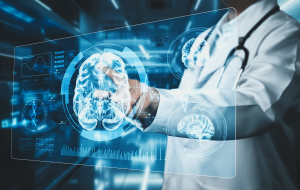
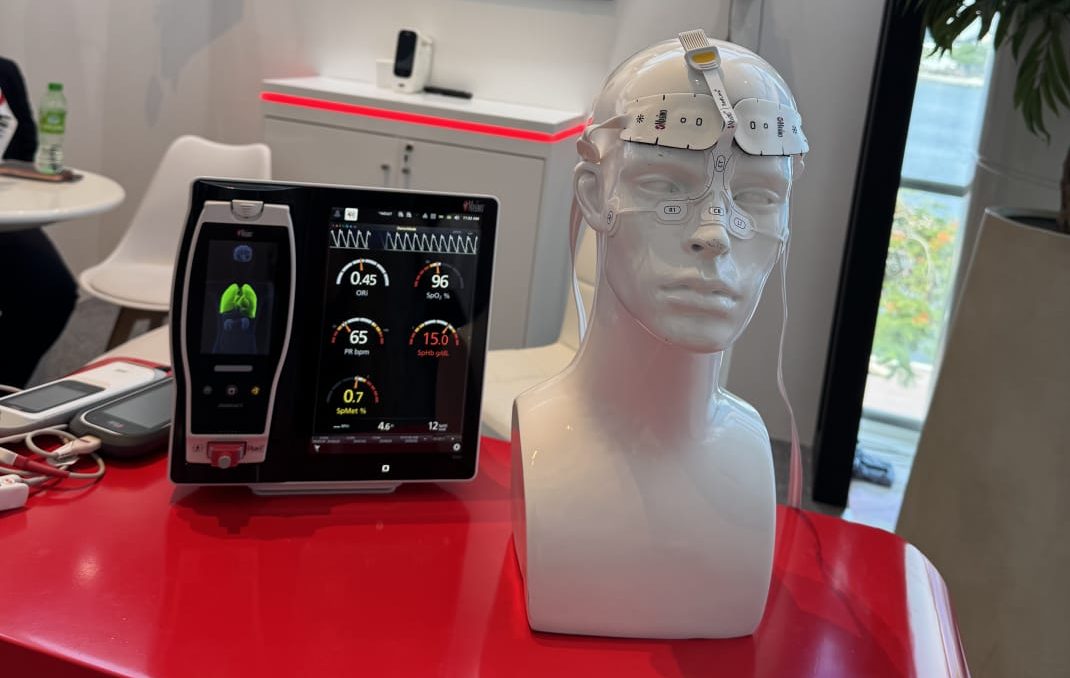
Al Rahma added that the exhibition accompanying the conference featured a new AI-powered device equipped with a sensor attached around the patient’s head, capable of providing comprehensive brain activity analysis during surgical procedures. The system helps determine the appropriate anaesthesia dosage required during operations while continuously monitoring the patient’s level of consciousness and whether dosage adjustments are needed.
He said the AI system demonstrated accuracy rates of up to 100 per cent in analysing patient data and supporting anaesthesia management during surgery.
The conference also introduced another AI-based device designed to administer medication in aerosol form through a system resembling a ventilator. The device delivers active pharmaceutical compounds precisely to targeted organs, improving treatment efficiency and offering particular benefits for children and patients who struggle to swallow or ingest medication.
Al Rahma said artificial intelligence has triggered a major transformation in intensive care units by improving survival and recovery rates among critically ill patients. He explained that AI now serves as an essential support tool for physicians by analysing vast amounts of medical data in real time, enabling faster and more accurate clinical decision-making.
He highlighted the growing role of predictive analytics and early warning systems powered by intelligent algorithms capable of forecasting medical complications such as acute heart failure or sepsis before they occur, allowing doctors to intervene proactively.
He added that AI technologies have also strengthened remote monitoring and around-the-clock patient care through continuous tracking of vital signs, while reducing the administrative burden on healthcare staff, minimising human error and accelerating response times.
Al Rahma stressed that artificial intelligence is not intended to replace doctors or nursing teams, but rather to function as a supportive tool that enhances the accuracy of medical decisions and improves the efficiency of healthcare professionals in patient monitoring and clinical care.