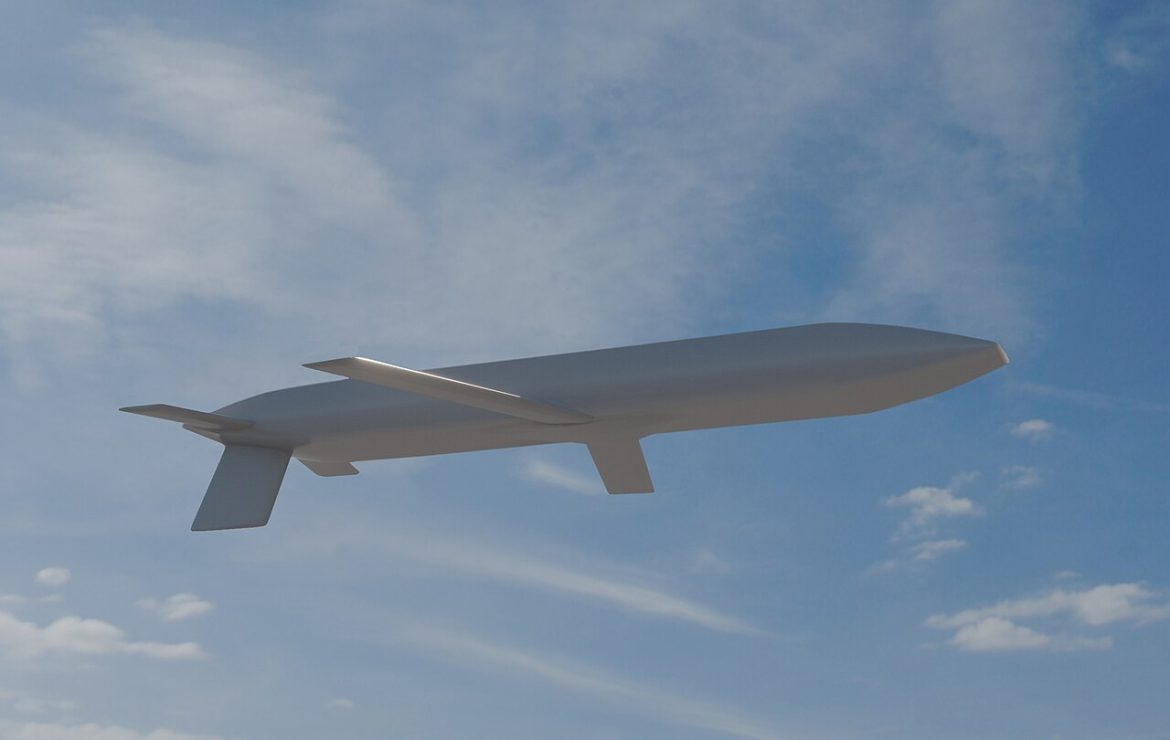
The United States is developing the AGM-181A Long-Range Stand Off (LRSO) nuclear cruise missile to replace the ageing AGM-86B Air-Launched Cruise Missile (ALCM), strengthening the airborne component of the country’s nuclear triad.
Designed to strike targets from stand-off ranges of approximately 1,500 miles (2,400 kilometres), the AGM-181A LRSO will incorporate advanced stealth technology, low-altitude flight capabilities, and enhanced resistance to electronic warfare and modern air defence systems. The missile is expected to be armed with the W80-4 nuclear warhead and will eventually be deployed aboard both the B-52H Stratofortress and the next-generation B-21 Raider strategic bombers.
The programme forms part of a broader US effort to modernise its entire nuclear deterrent, alongside the LGM-35A Sentinel intercontinental ballistic missile and the Columbia-class ballistic missile submarines. Initial operational capability is expected by 2030, marking one of the most significant US nuclear modernisation initiatives in recent decades.