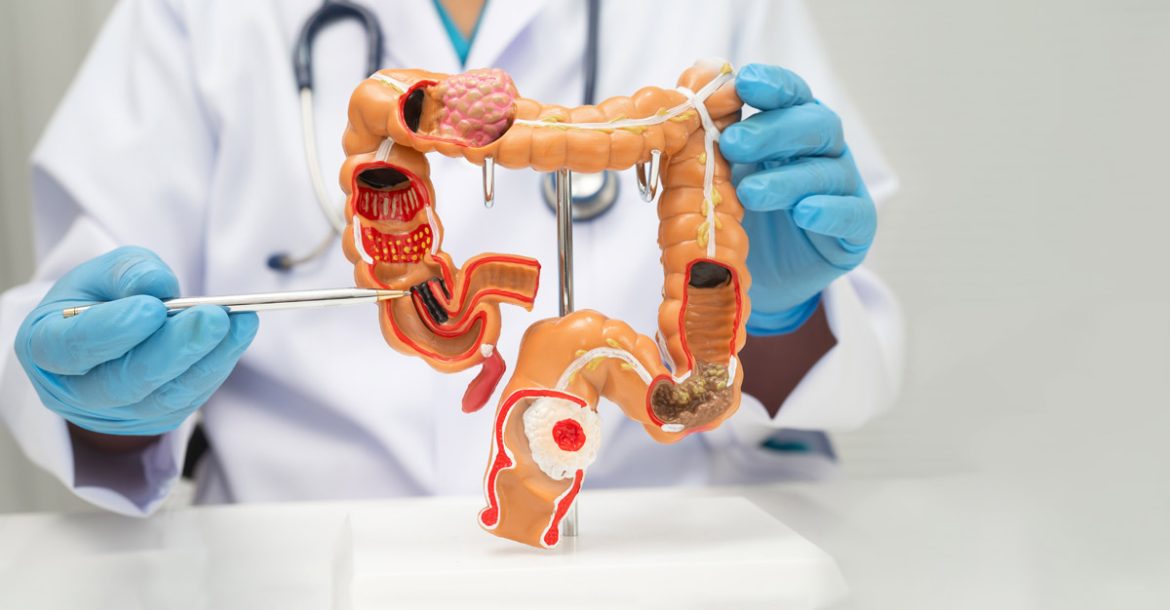
Colon cancer remains one of the most common forms of cancer worldwide, ranking third in overall incidence. It affects the large intestine—known as the colon—which forms the final part of the human digestive system. Despite its seriousness, this disease carries a crucial advantage: it typically develops slowly, allowing significant opportunities for early detection and prevention.
In most cases, colon cancer does not appear suddenly. Instead, it begins as small, non-cancerous growths known as polyps that form on the inner lining of the colon. Often resembling small grapes in shape, these polyps can grow gradually over a period of five to ten years. During this time, some may develop into cancerous tumours. This window represents a critical opportunity—detecting and removing these polyps early can almost entirely prevent the development of cancer. Notably, this stage is often symptom-free, making early screening essential.
Risk Factors: More Than One Cause
There is no single direct cause of colon cancer; rather, a combination of factors can increase the likelihood of developing the disease. A family history and genetic predisposition are among the most significant contributors. Age also plays a key role, with risk increasing in both men and women as they grow older.
Lifestyle choices further influence risk. Diets high in fats and processed meats, and low in fibre, are strongly associated with higher incidence rates. Physical inactivity, smoking, obesity, and conditions such as diabetes also contribute. In addition, prolonged exposure to carcinogens or radiation, as well as chronic inflammatory bowel diseases such as ulcerative colitis or Crohn’s disease, may elevate the risk.
Subtle Signs That Should Not Be Ignored
Symptoms of colon cancer in its early stages are often mild or unclear, and may be mistaken for less serious conditions. Common warning signs include persistent changes in bowel habits—such as diarrhoea or constipation—or a noticeable alteration in stool shape lasting more than two weeks. Blood in the stool, or a darker-than-usual colour, may also occur.
Other symptoms include abdominal pain or cramping, persistent bloating and gas, a feeling of incomplete bowel emptying, fatigue, anaemia, loss of appetite, and unexplained weight loss. While these symptoms do not necessarily indicate cancer, their persistence warrants medical consultation to ensure accurate diagnosis.
Diagnosis and Treatment: A Multi-Step Approach
Diagnosis typically begins with a thorough medical history and physical examination, followed by key investigations. These include stool tests to detect hidden blood, and colonoscopy—considered the most important diagnostic tool—which allows direct visualisation of the colon and removal of polyps at the same time.
Additional tests such as CT scans may be used to determine the extent of disease spread, alongside blood tests and tumour markers. A definitive diagnosis is confirmed through tissue biopsy.
If colon cancer is diagnosed, treatment depends largely on the stage of the disease. Options include surgical removal of the affected portion of the colon, chemotherapy, and radiotherapy. In some cases, immunotherapy may also be used. Often, a combination of treatments is employed to achieve the best possible outcome.
Early Detection: The Decisive Factor
Early detection significantly reduces the need for intensive treatment and greatly improves survival rates. Screening is therefore essential—not only for individuals with symptoms, but also for those who appear healthy.
Routine screening is recommended for both men and women starting at the age of 40. This includes clinical examinations and stool tests for hidden blood, which are simple and should be performed every two years. Colonoscopy remains the most accurate method, enabling full examination of the colon and removal of any polyps before they become cancerous. It is generally advised every ten years, or earlier and more frequently for those with a family history of the disease. In certain cases, CT imaging may also be utilised.
Prevention Begins with Lifestyle
Prevention extends beyond screening. Adopting a healthy lifestyle plays a vital role in reducing risk. A diet rich in fibre—such as fruits and vegetables—combined with reduced intake of saturated fats and processed or red meats, can make a significant difference. Regular physical activity, maintaining a healthy weight, quitting smoking, and managing chronic conditions such as diabetes are all key protective measures.
Conclusion
Colon cancer does not emerge overnight; it develops quietly over years, often beginning with small, detectable changes. The most important message is clear: this is a disease that can largely be prevented—and even stopped before it starts—through awareness and commitment to early screening.
Do not wait for symptoms to appear. Taking the decision to undergo screening today may be the step that saves your life tomorrow.
By: Dr Badreyya Al-Harmi, Public Health Consultant