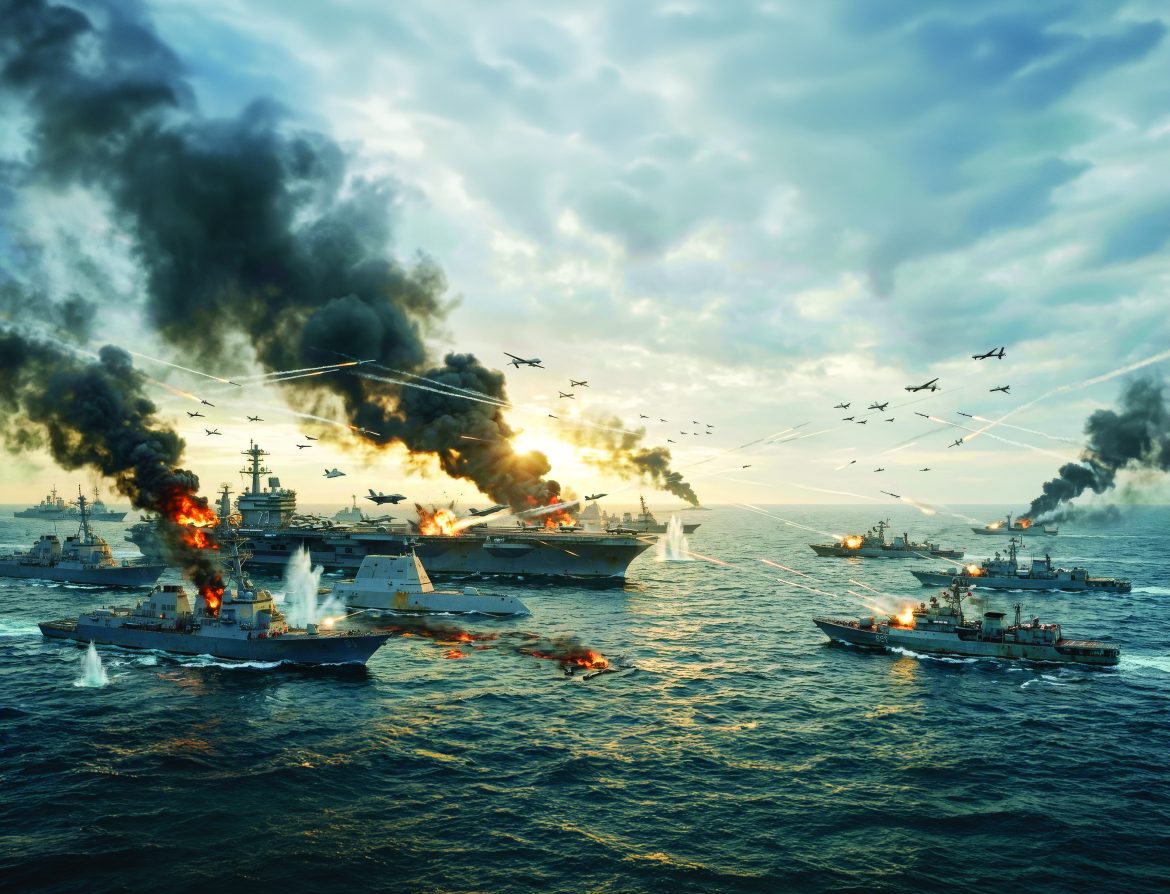


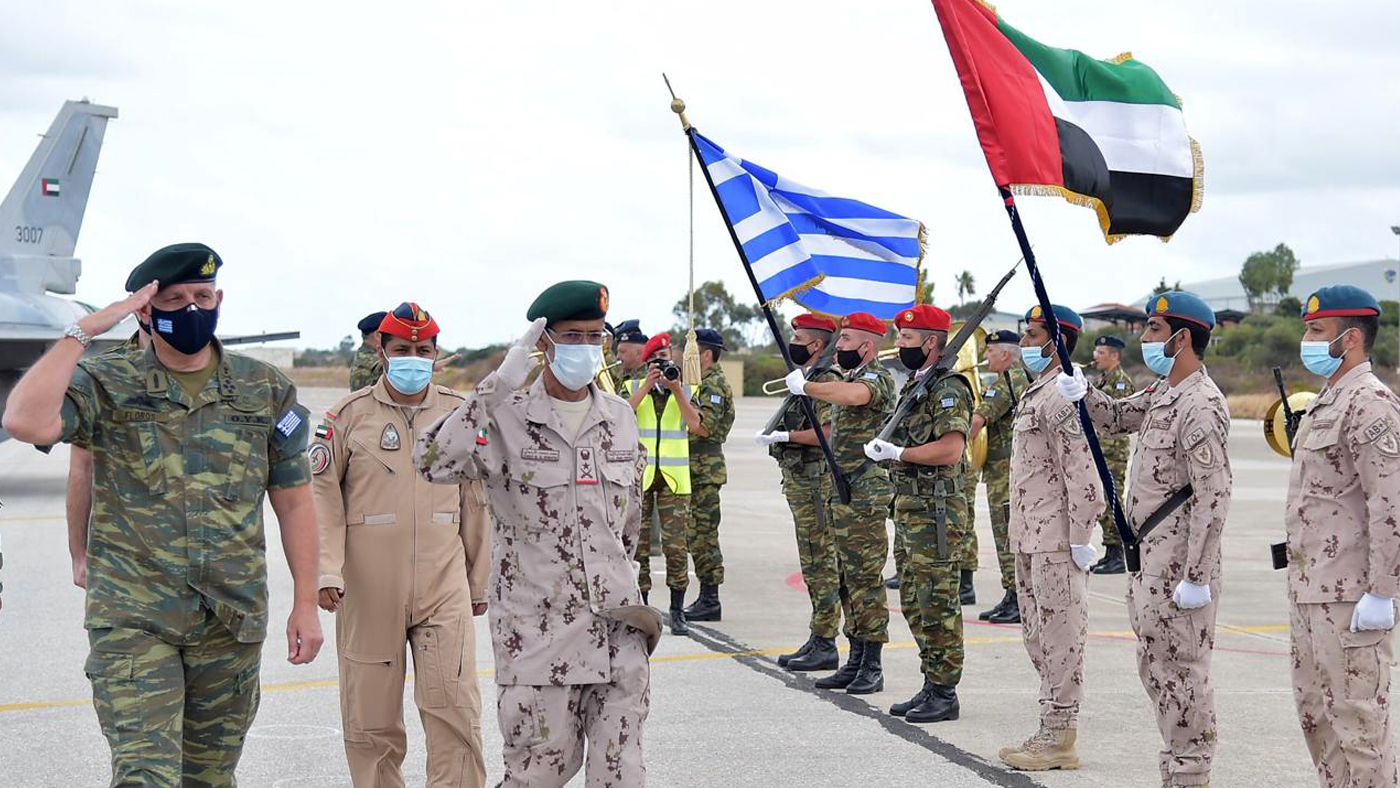
Historical experience demonstrates that stronger militaries do not always emerge victorious against weaker opponents. This reality extends to the maritime domain, where weaker naval forces have repeatedly succeeded in deterring or frustrating more powerful adversaries. While such outcomes challenge traditional assumptions about military power, they reinforce a fundamental strategic principle: military superiority alone does not guarantee political success. In modern warfare, this phenomenon has become increasingly common.
Despite possessing overwhelming capabilities, the fleets of major powers often struggle to achieve their objectives when confronted by weaker opponents employing unconventional strategies. When direct confrontation is not feasible, weaker fleets seek to impose deterrence by increasing the costs of engagement and casting doubt on the likelihood of success. As a result, military action may become politically unattractive, even for a superior force.
The Alliance-Based Fleet Strategy
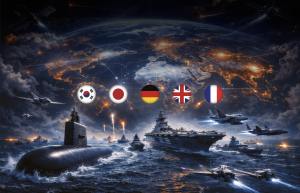
Historical evidence suggests that weaker naval powers can narrow the gap with stronger adversaries by forming alliances with other maritime powers. Through such partnerships, they effectively augment their naval capabilities and improve their strategic position. This approach is reflected in what may be described as the “Alliance-Based Fleet” or “leased fleet” Strategy, a pattern adopted by several weaker fleets throughout history.
One notable example is Sparta’s victory over Athens during the Peloponnesian War. Although Athens was the dominant naval power of its era, Sparta succeeded by obtaining naval support through its alliance with Persia, thereby acquiring the maritime strength necessary to challenge Athenian supremacy.
A similar approach was employed during the American Revolutionary War. American revolutionaries relied heavily on French naval support to assist Franco-American forces on land and to help contain British forces along the coast. Although the British Royal Navy maintained overall control of the seas, the alliance with France enabled the United States to offset its naval weakness and increase Britain’s strategic isolation. Spain also joined France in opposing British maritime dominance, reflecting the broader role of coalition-building in balancing naval power, despite Britain’s eventual victory over the combined fleets at the Battle of Trafalgar in 1805.
During the Russo-Japanese War at the beginning of the twentieth century, Japan adopted a modified version of this strategy. Rather than relying directly on British naval forces in combat, Tokyo leveraged its alliance with Britain to isolate Russia strategically. The deterrent effect of British naval power helped keep France, Russia’s ally at the time, out of the conflict. Consequently, the Russian fleet was denied French support and access to the network of overseas ports that France could have provided along the route to the Far East.
The “Fleet-in-Being” Strategy and Avoiding Decisive Battles
Another method through which weaker fleets seek to counter stronger adversaries is the concept known as the “fleet-in-being.” This strategic doctrine was first articulated in 1690 by British Admiral Arthur Herbert, the First Earl of Torrington, during the Nine Years’ War. Facing a superior French fleet off Beachy Head, Herbert argued against engaging in a decisive battle, believing that preserving the British fleet was more valuable than risking its destruction.
The concept refers to a smaller or weaker fleet that exerts strategic influence simply by existing as a credible threat. Significant disparities in naval strength often discourage the weaker side from seeking battle, while the absence of fixed positions at sea makes it difficult for a stronger fleet to force an engagement. As a result, weaker fleets frequently remain in port or operate defensively, compelling stronger adversaries to account for their potential intervention and limiting their freedom of action.
In this context, strategic advantage is achieved not through direct confrontation but through the ability to constrain an opponent’s choices. The weaker fleet avoids decisive engagements while simultaneously reducing the stronger fleet’s ability to establish uncontested control of the maritime domain.
Germany’s naval strategy before the First World War represents one of the most prominent examples of the fleet-in-being concept. Admiral Alfred von Tirpitz, the architect of Germany’s naval expansion, argued that Britain would hesitate to engage in a decisive battle because the potential losses could weaken the Royal Navy relative to other European rivals. Some Western assessments have similarly suggested that the mere existence of the German fleet helped deter Britain from attempting amphibious operations against the German coastline.
A more contemporary example can be found in the South China Sea, where China’s naval presence around the Paracel Islands reflected aspects of the fleet-in-being strategy. The existence of Chinese naval forces complicated Soviet efforts to support their Vietnamese allies following China’s 1979 invasion of northern Vietnam, thereby influencing the strategic calculations of regional actors without requiring direct confrontation.
Deterrence Through Disruption
Drawing upon classical theories of asymmetric conflict as well as contemporary concepts such as integrated deterrence, resilience, and the disruption of kill chains, weaker fleets can impose significant political and operational risks on superior adversaries. This has led to the emergence of a modern approach often described as “deterrence through disruption.”
Unlike traditional strategies aimed at achieving parity with stronger opponents, deterrence through disruption focuses on ensuring survival while influencing the behaviour of a superior force. The objective is not to match an adversary ship for ship, but to undermine the effectiveness of its operations and reduce the likelihood of successful military action.
Scholars have offered various explanations for how weaker states successfully deter stronger powers. One school of thought argues that outcomes are largely determined by the relative importance of the conflict to each side. For weaker states, war is often viewed as a matter of survival, whereas stronger powers typically pursue more limited political objectives. Consequently, weaker actors may be willing to endure significantly greater losses.
The Vietnam War is frequently cited as an illustration of this dynamic. Despite overwhelming American military superiority, Hanoi viewed the conflict as an existential struggle and demonstrated a willingness to sustain substantial casualties in pursuit of long-term objectives.
A second perspective emphasises the role of domestic political constraints within stronger states. Prolonged conflicts that fail to deliver clear strategic gains can generate public dissatisfaction and political pressure, particularly within democratic societies. This argument is often used to explain the difficulties encountered by the United States in conflicts such as Vietnam and Somalia, where military superiority did not translate into political success.
A third explanation focuses on the ability of weaker actors to undermine the internal cohesion of stronger opponents. By adapting more rapidly, changing the tempo of conflict, and converting tactical setbacks into political gains, weaker forces can exploit vulnerabilities that advanced militaries may struggle to address. Although these interpretations have traditionally been associated with insurgencies and irregular warfare, they remain relevant to contemporary maritime competition.
Modern asymmetric deterrence strategies, however, increasingly operate through the disruption of systems rather than the destruction of platforms. Instead of targeting warships directly, weaker states seek to interfere with the decision-making networks, operational processes, and command systems upon which superior naval forces depend. If a stronger fleet cannot achieve a rapid and decisive outcome, the value of military action gradually diminishes over time.
Contemporary naval operations rely heavily on the ability to locate, track, identify, engage, and assess targets. Failure at any stage of this process can erode operational momentum and undermine confidence. Recent military assessments suggest that fleets unable to conceal their positions may struggle to survive in modern combat environments. Consequently, deception, dispersion, and disruption have become increasingly important components of naval warfare.
From this perspective, weaker fleets may choose to target satellites, radar systems, communications networks, and tracking infrastructure rather than attempting to destroy major surface combatants or aircraft carriers. Such measures can deny stronger adversaries the situational awareness required to maintain maritime dominance.
Although weaker fleets remain incapable of defeating superior navies in direct confrontation, they can still disrupt the adversary’s operational kill chain through the use of unmanned systems, electronic warfare capabilities, jamming equipment, and decoys. These tools force stronger fleets to devote valuable resources to detection and verification rather than offensive operations, creating uncertainty, operational friction, and potentially high political costs for the attacking power.
The “Fortified Fleet” Strategy and Supporting Weaker Navies
Western assessments suggest that weaker naval powers often rely on irregular warfare concepts to reduce the gap between themselves and stronger maritime adversaries. While irregular warfare on land is typically confined to specific geographic areas, irregular warfare at sea possesses a broader strategic impact due to the interconnected nature of maritime trade routes, sea lines of communication, and international legal frameworks. As a result, even in the absence of significant land-force involvement, weaker naval powers can continue to contest maritime control through asymmetric strategies. Among the most prominent of these approaches is the “fortified fleet” strategy, which seeks to impose disproportionate costs on stronger attacking fleets. This concept was demonstrated during the First World War, when both Germany and the Ottoman Empire employed variations of the strategy, achieving differing operational outcomes.
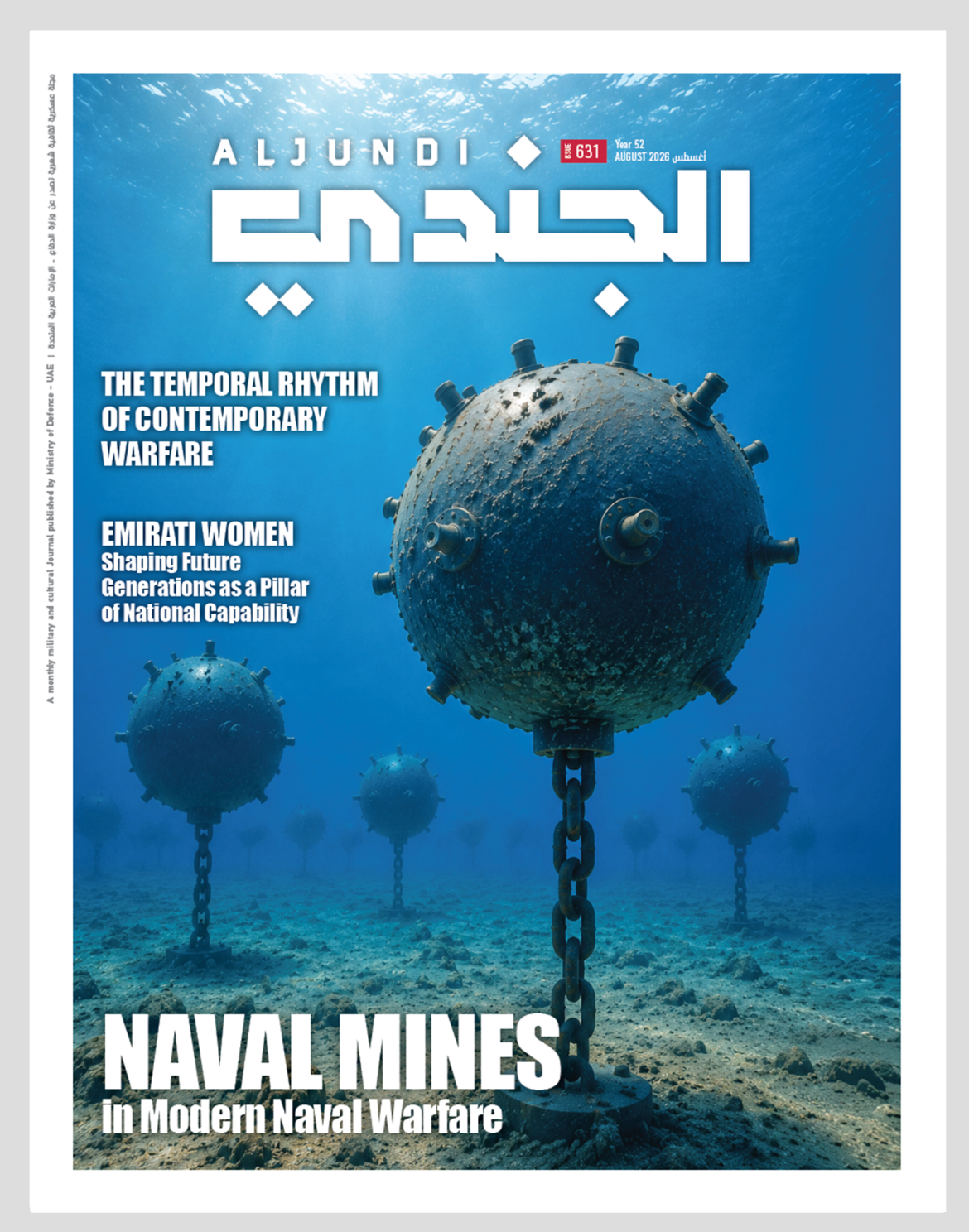
At the outbreak of the war in 1914, the German High Seas Fleet was considerably weaker than the British Grand Fleet. Germany therefore adopted principles associated with the “fortified fleet” concept, which drew heavily on the ideas of the French Jeune École school of naval thought. This doctrine emphasised the cost advantages provided by emerging technologies, particularly naval mines and small torpedo craft, which could threaten and even destroy much larger warships at a fraction of the cost.
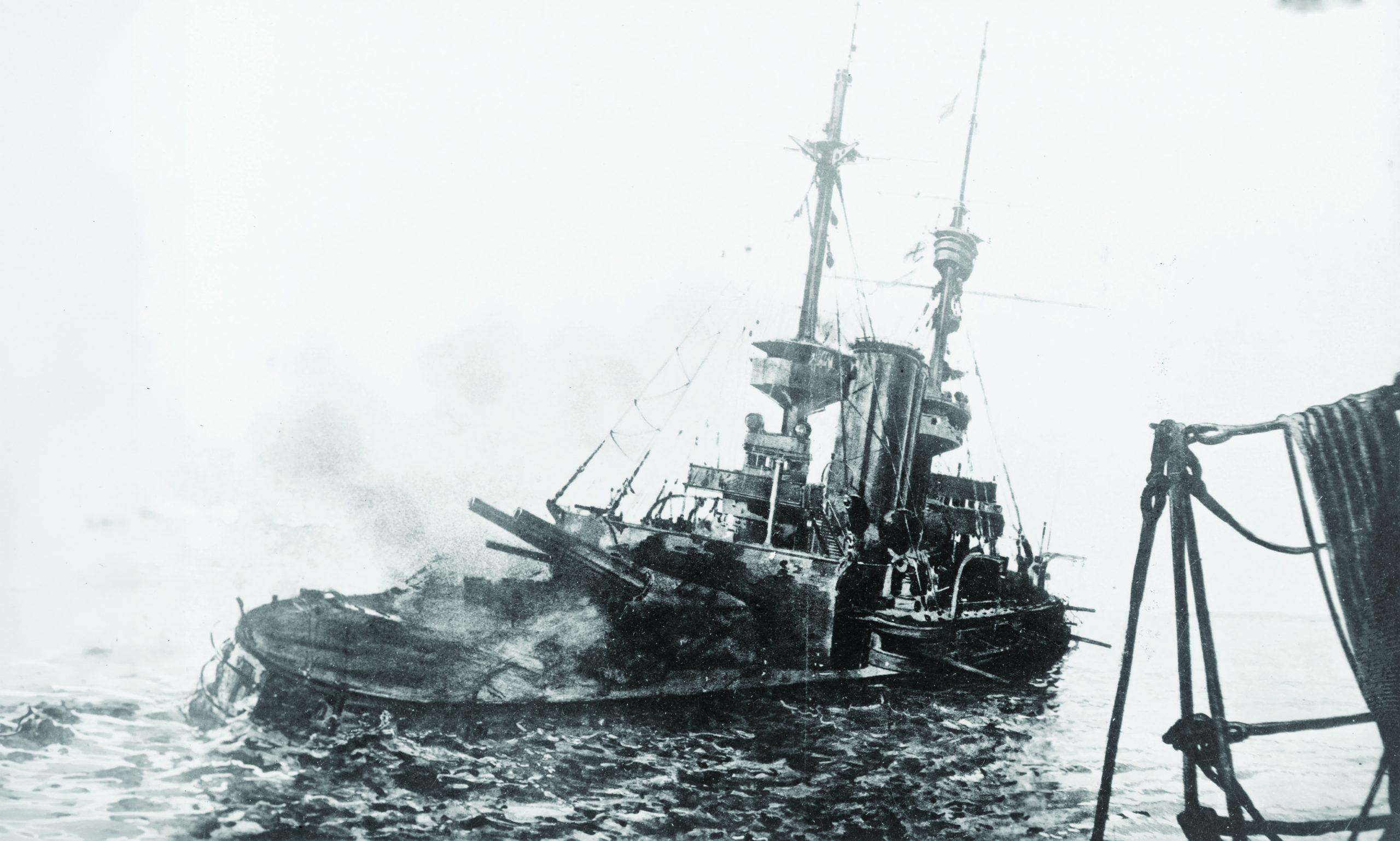
The Ottoman Empire applied similar principles during the Gallipoli Campaign in 1915. Through extensive use of mines and coastal defences, Ottoman forces succeeded in imposing significant naval losses on the British fleet, ultimately compelling its withdrawal and preventing the world’s most powerful navy at the time from forcing passage through the Dardanelles.
During the Second World War, Germany again relied on asymmetric maritime strategies to offset Allied naval superiority. Through submarine warfare and other unconventional methods, it inflicted substantial losses on Allied shipping and naval forces. The trend continued throughout the Cold War, as weaker naval powers increasingly adopted asymmetric approaches against stronger fleets. Examples include the North Korean minefields at Wonsan Harbour, which delayed the U.S. X Corps amphibious assault in 1950, and the torpedo attacks launched by North Vietnam against a U.S. destroyer in the Gulf of Tonkin in 1964.
Although these examples illustrate the ability of weaker fleets to challenge stronger opponents through fortified fleet concepts, their results remain modest compared to the unprecedented anti-access/area-denial (A2/AD) architecture that China is currently developing. By integrating advanced missile systems, surveillance networks, naval assets, and electronic warfare capabilities, Beijing has effectively expanded the fortified fleet concept into a comprehensive maritime defence strategy designed to deter or complicate intervention by superior naval powers.
The Role of Naval Special Forces in Supporting Weaker Fleets
Western military studies increasingly argue that weaker navies can rely on electronic warfare systems, maritime surveillance networks, and specialised naval forces as scalable and adaptable defensive instruments when confronting superior adversaries. Rather than attempting to replicate the capabilities of advanced fleets, weaker powers can develop asymmetric tools designed to deny access, disrupt operations, and raise the costs of military intervention.
The objective of a weaker fleet is rarely to achieve a decisive battlefield victory against a stronger opponent. Instead, it seeks to impose sufficient costs and operational challenges to alter the adversary’s strategic calculations. When stronger navies struggle to adapt to irregular and unconventional tactics, the resulting strategic mismatch often benefits the weaker force.
Within this framework, naval special operations forces have emerged as one of the most effective instruments of asymmetric maritime warfare. These units provide relatively low-cost and highly flexible capabilities that can conduct interdiction, sabotage, reconnaissance, and disruption missions while creating complex strategic dilemmas for larger naval forces.
Several nations have incorporated naval special operations forces into their broader maritime deterrence strategies. Denmark and Norway, for example, have invested significantly in such capabilities as part of their efforts to deter potential Russian naval activity in northern waters. Similarly, Indonesia has integrated naval special forces into its wider maritime doctrine, recognising their value in safeguarding strategic waterways and supporting regional security objectives throughout Southeast Asia.
Lessons from the Russia–Ukraine War
At the beginning of 2022, many Western assessments predicted that Russia’s military would rapidly overwhelm Ukrainian forces across the land, air, and maritime domains. Yet more than four years into the conflict, Ukraine-supported by substantial military and financial assistance from the United States and its Western allies-has demonstrated remarkable resilience against Russian military pressure.
Perhaps the most significant Ukrainian achievements have occurred at sea. Despite possessing a vastly inferior naval force, Ukraine succeeded in challenging the Russian Black Sea Fleet in ways that many analysts regard as a warning and a lesson for major naval powers worldwide.
When the war began, Ukraine’s only major principal surface combatant was a Soviet-era frigate, which Ukrainian forces deliberately scuttled in Mykolaiv to prevent it from falling into Russian hands. Russia subsequently launched extensive missile strikes against Ukrainian cities and imposed a blockade on Ukrainian ports. However, through innovative tactics and the effective use of emerging technologies, Ukraine managed to inflict substantial damage on Russian naval forces. By mid-2024, Ukrainian attacks had reportedly destroyed or damaged numerous Russian vessels and forced significant elements of the Black Sea Fleet to relocate hundreds of miles from their traditional bases to safer operating areas.
This experience provides one of the clearest contemporary examples of how a weaker naval force can leverage innovation and technology to counter a stronger adversary.
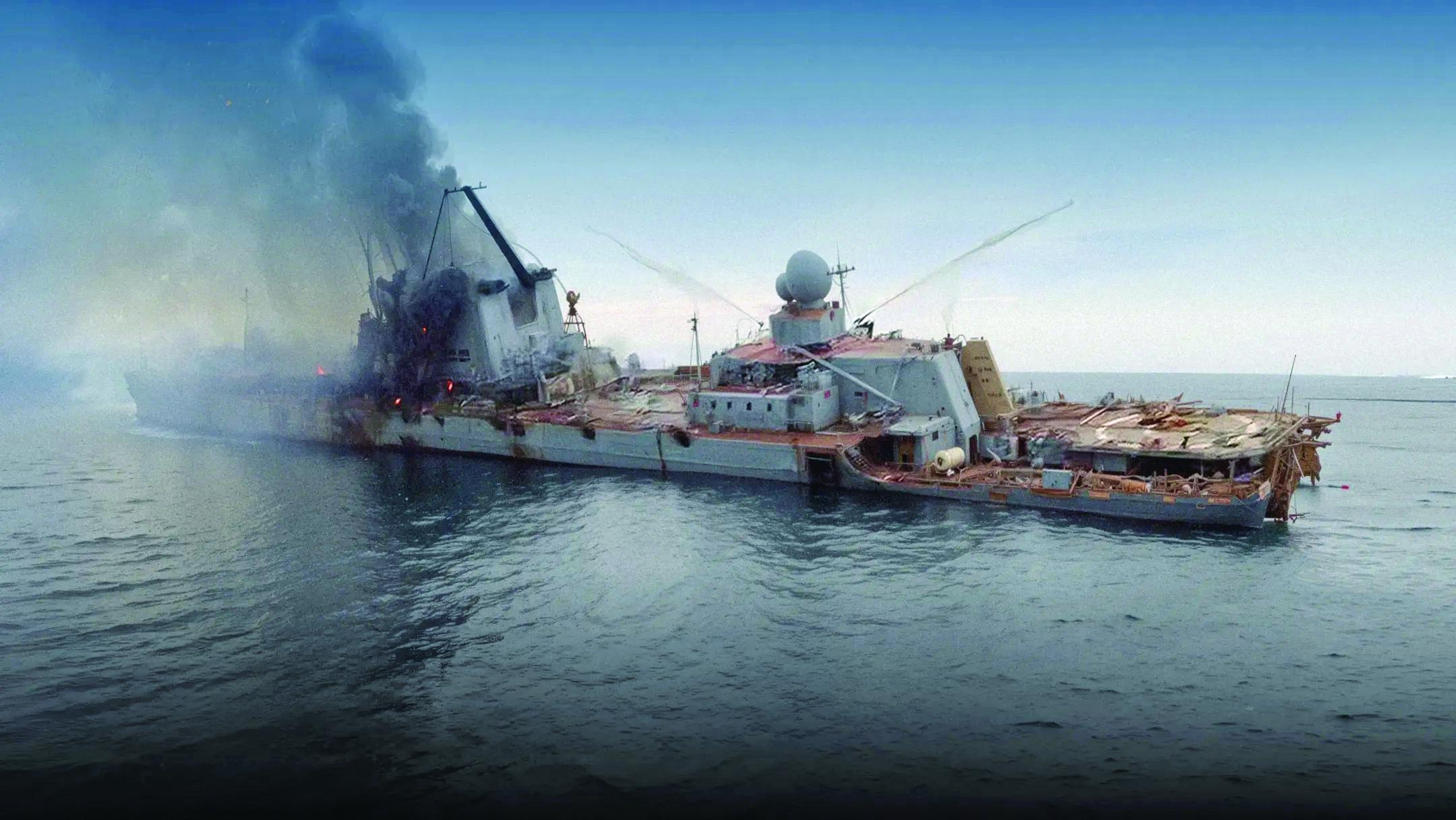
The Russian guided-missile cruiser Moskva initially played a central role in Russia’s maritime operations, serving as the flagship of the Black Sea Fleet and supporting the seizure of the strategically important Snake Island. In April 2022, however, Ukrainian forces successfully struck and sank the vessel. The loss represented Russia’s first major warship sunk in combat since the Russo-Japanese War of 1904–1905 and the largest Russian warship lost in battle since the Second World War. The sinking also disrupted Russian plans for a potential amphibious assault against Odesa and marked a significant psychological and operational setback for Moscow.
As the conflict progressed, Ukraine further expanded its campaign against Russian naval assets and eventually regained control of Snake Island. A particularly notable development was Ukraine’s growing use of unmanned surface vessels to hunt and strike advanced Russian warships. This capability was demonstrated during the October 2022 attack on the Russian naval base in Sevastopol, Crimea, where Ukrainian forces employed several Magura-type maritime drones to penetrate harbour defences and damage key assets, including the frigate Admiral Makarov. Many analysts viewed the operation as a turning point in modern naval strategy, highlighting the growing importance of autonomous systems in maritime warfare.
Conclusion
In theory, the primary objective of a navy is to destroy an adversary’s fleet in a decisive battle, thereby securing freedom of action and broader strategic options. In practice, however, decisive naval engagements are relatively rare and typically occur only when both sides are willing to accept the risks of confrontation. History offers numerous examples in which one side deliberately avoided such battles, a factor that helps explain why major naval engagements have been far less common than large-scale land battles.
Consequently, weaker naval powers generally seek direct confrontation only when stronger opponents are operating under unfavourable conditions or face significant operational constraints. Rather than pursuing outright naval supremacy, weaker fleets employ a range of strategies designed to influence events ashore through maritime action.
Whether through alliances, fleet-in-being concepts, fortified defensive networks, naval special operations forces, or disruptive technologies, the common objective remains the same: to gradually erode the advantages of stronger adversaries. By exploiting asymmetry, innovation, and strategic patience, weaker fleets can impose escalating costs, undermine operational effectiveness, and create opportunities to challenge superior opponents at moments of vulnerability. In doing so, they demonstrate that naval power is not measured solely by the size of a fleet, but also by the effectiveness of the strategy guiding its employment.
By: Adnan Mousa
(Assistant Lecturer at the Faculty of Economics and Political Science – Cairo University)