

Modern warfare has undergone a fundamental transformation in the nature of aerial threats. Air superiority is no longer the exclusive domain of major powers equipped with advanced fighter aircraft and long-range missile systems. Instead, the battlefield has witnessed the rapid emergence of relatively inexpensive and widely accessible capabilities, most notably unmanned aerial vehicles (UAVs) and loitering munitions. Conflicts in Ukraine and across the Gulf have demonstrated that even the simplest aerial threats can impose complex strategic, operational, and economic challenges on some of the world’s most sophisticated air defence systems.
Recent attacks against critical infrastructure in the region have further illustrated that possessing advanced air defence capabilities does not necessarily guarantee comprehensive protection, particularly when confronted with inexpensive, highly adaptable, and mass-produced threats. More importantly, these developments are not temporary phenomena confined to a particular conflict or geographic region. Rather, they represent an enduring trend that is likely to expand as drone manufacturing costs continue to decline, commercial components become increasingly accessible, and technologies such as artificial intelligence, autonomous navigation, and precision targeting continue to evolve. As states, armed groups, and even non-state actors gain greater access to these technologies, low-cost drones are expected to become a permanent feature of future operational environments. This reality will require armed forces to continually reassess air defence doctrine, reconsider the cost-effectiveness of interception strategies, and strengthen the sustainability and responsiveness of their defensive capabilities.
The primary challenge is therefore no longer limited to the ability to destroy incoming aerial threats. Instead, it lies in sustaining effective interception throughout prolonged campaigns characterised by high attack volumes, rapid operational tempo, and a significant disparity between the cost of the threat and that of the interceptor. A relatively inexpensive one-way attack drone may require the launch of an interceptor missile worth hundreds of thousands—or even millions—of dollars, creating an unfavourable cost-exchange ratio that threatens the long-term operational sustainability of even the most advanced militaries.
Modern Warfare and the Redefinition of Aerial Threats
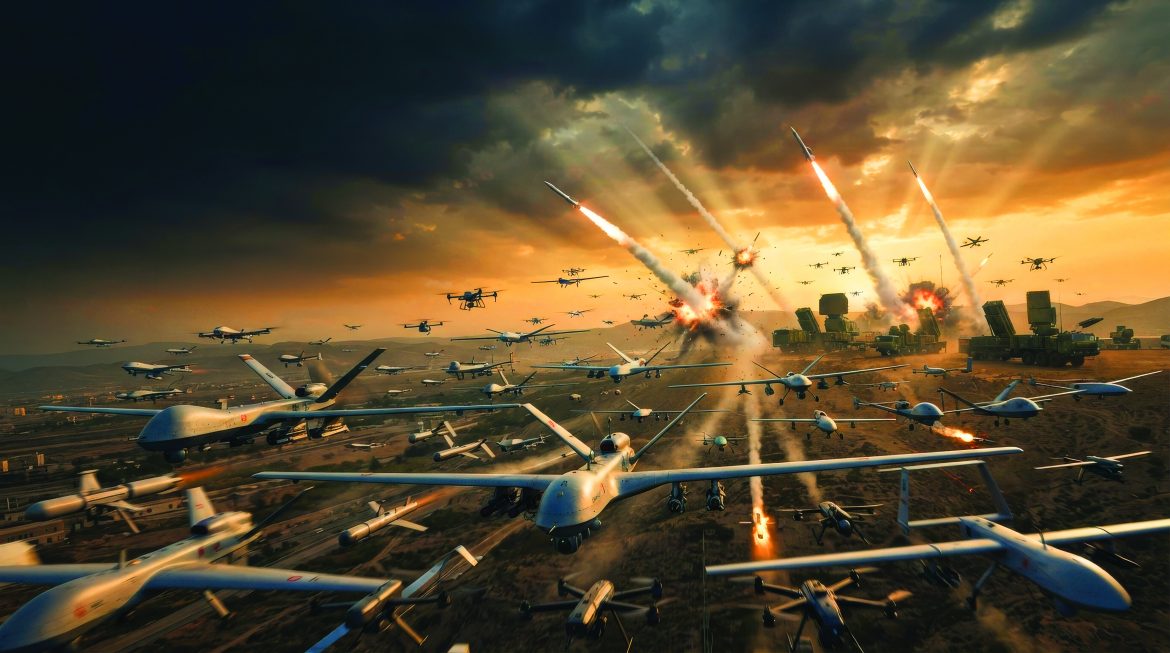
Modern conflicts have demonstrated that the air domain has become more congested and complex than ever before. Whereas aerial threats were once largely confined to fighter aircraft, bombers, and conventional missiles, today’s battlespace is saturated with drones of varying sizes, loitering munitions, cruise missiles, autonomous systems, and the extensive use of electronic warfare and electromagnetic jamming. The widespread proliferation of drones has fundamentally altered the dynamics of aerial warfare by combining several dangerous characteristics within a single capability. In addition to their relatively low cost, drones are often easy to manufacture, difficult to detect, and capable of overwhelming defences through mass employment. Coordinated attacks involving dozens—or even hundreds—of drones can rapidly exhaust and confuse air defence networks, even when individual platforms possess only limited capabilities.
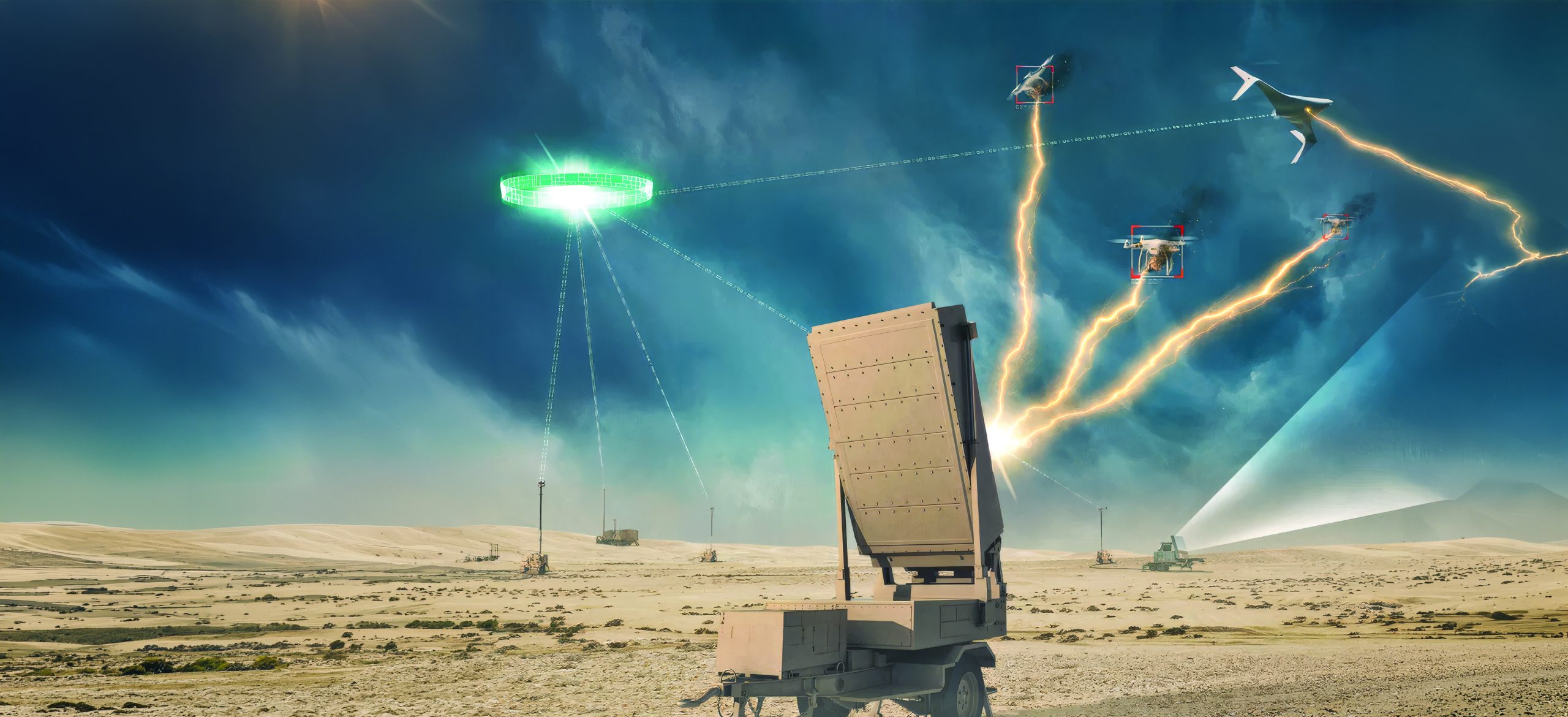
These developments have prompted modern military doctrines to reconsider the very concept of air defence. Rather than viewing it simply as a static protective shield over critical assets, air defence is increasingly regarded as a multi-domain manoeuvre system integrating radars, missile batteries, gun systems, electronic warfare capabilities, directed-energy weapons such as lasers and high-power microwave systems, and electromagnetic spectrum management within a single networked combat architecture. Such an approach demands exceptional flexibility, rapid decision-making, and continuous adaptation to evolving threats.
This transformation has also reshaped the military understanding of the air domain itself. No longer perceived merely as the space through which aircraft operate, it is increasingly recognised as a layered operational battlespace in which the physical, digital, and electromagnetic environments are closely intertwined. Consequently, modern concepts such as Aerial Engagement Areas (AEAs) and multi-domain air defence have emerged, reflecting a shift towards managing and controlling the airspace as dynamically as land operations.
From Asset Protection to Battlespace Management
Traditionally, air defence has focused on protecting critical assets such as air bases, ports, strategic infrastructure, and centres of gravity. However, the emergence of modern aerial threats has fundamentally reshaped operational thinking. The emphasis has shifted from asking “What should be protected?” to “Where and how should the threat be neutralised?”
This evolution has driven the adoption of the concept of multi-layered air defence, in which detection and engagement capabilities are distributed across multiple ranges and operational levels. Long-, medium-, and short-range systems are integrated into a unified defensive network, providing overlapping layers of protection against a diverse range of threats. At the same time, the scope of air defence has expanded to incorporate non-traditional capabilities—including electronic warfare, jamming systems, and directed-energy weapons—which have proven particularly effective in countering low-cost drones.
Recent operational experience has also demonstrated that the effectiveness of an air defence system no longer depends solely on the sophistication of its individual components. Instead, success increasingly relies on the rapid and seamless integration of sensors, interceptors, and command-and-control (C2) systems, enabling threats to be detected, tracked, and engaged within extremely compressed timelines. In some scenarios, particularly when confronting high-speed missiles or coordinated mass attacks, the engagement window may be measured in only a matter of seconds.
The Cost-Exchange Dilemma
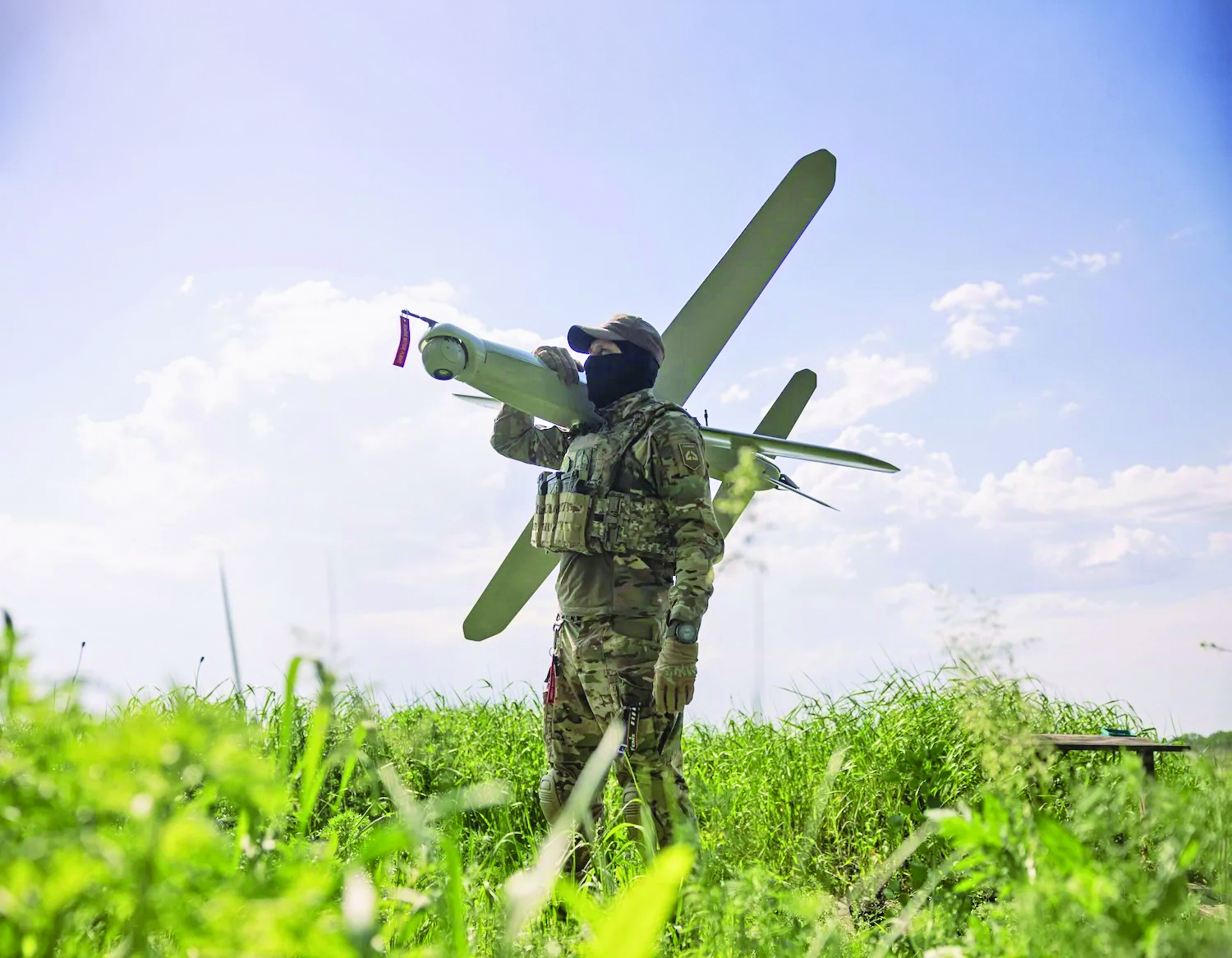
Perhaps the greatest challenge confronting modern air defence is the growing disparity between the cost of defensive measures and the relatively low cost of the threats they are designed to defeat. Recent conflicts have exposed a reality in which interceptor systems can be many times more expensive than the drones or loitering munitions they engage, creating an unfavourable cost-exchange ratio that places increasing pressure on operational sustainability and munition stockpiles.
This challenge has become particularly evident in contemporary conflicts, where sustained waves of inexpensive aerial attacks have demonstrated their ability to rapidly deplete interceptor inventories while placing considerable strain on military production capacity and logistical supply chains. The situation is further complicated by the fact that many air defence systems cannot simultaneously conduct combat operations and replenish their ammunition, creating periods of reduced readiness during prolonged engagements.
In response, many armed forces are adopting more flexible and cost-effective approaches based on the principle of “the Right Effector for the Right Target.” This concept advocates employing the most appropriate and economically viable countermeasure for each specific threat, rather than relying indiscriminately on high-value interceptor missiles. Accordingly, greater emphasis is being placed on rapid-fire gun systems, lower-cost precision munitions, electronic warfare capabilities, laser weapons, short-range portable air defence systems, and dedicated low- and medium-cost counter-drone interceptors. Together, these capabilities offer a more sustainable and economically balanced approach to countering the growing volume of low-cost aerial threats.
Contemporary Conflicts as a Laboratory for Lessons Learned
The evolving character of modern warfare has driven a wave of innovation in air defence, extending beyond technological advancements to encompass doctrine, organisational structures, and operational concepts. Flexibility and rapid adaptation have become decisive factors in countering threats that continue to evolve at an unprecedented pace. Among the most significant developments has been the growing adoption of directed-energy weapons, particularly laser and high-power microwave systems, which offer considerably lower operating costs than conventional interceptor missiles. At the same time, electronic warfare has emerged as a highly effective means of neutralising drones by disrupting their communications, navigation, or control systems without requiring their physical destruction.
The war in Ukraine, in particular, has underscored the increasingly important role of electronic warfare within modern air defence architectures. A study published by the Royal United Services Institute (RUSI) found that Ukraine was losing substantial numbers of drones each month as a result of Russian electronic jamming and deception techniques. The research, conducted by Jack Watling and Nick Reynolds, highlighted the effectiveness of non-kinetic capabilities against low-cost aerial threats and demonstrated that electronically disabling drones is, in many instances, both more efficient and significantly less expensive than engaging them with conventional interceptor missiles. These findings have reinforced the growing emphasis on integrating electronic warfare as a core component of multi-domain air defence.
In parallel, several armed forces have begun developing more decentralised air defence networks that provide smaller tactical units with organic counter-drone capabilities, reducing their reliance on centrally controlled strategic air defence systems. This shift reflects the recognition that modern aerial threats are no longer confined to the strategic rear but are present across every level of the battlespace, from frontline formations to logistical hubs and critical infrastructure. Current conflicts have effectively become open laboratories for extracting operational and technological lessons in near real time. The wars in Ukraine, the Gulf, and the ongoing operations in the Red Sea have all demonstrated that institutional learning and the ability to rapidly incorporate battlefield experience can, at times, prove more valuable than technological superiority alone.
These conflicts have also reinforced the importance of international and regional cooperation in intelligence sharing, the development and integration of air defence systems, the exchange of operational expertise, and closer collaboration between defence industries and military organisations. Challenges associated with drones, electronic warfare, and economic attrition are no longer confined to individual nations but have become transnational issues requiring coordinated responses and sustained cooperation among allies and partners. The growing tendency of hostile actors to exploit the airspace or border regions of neighbouring states as transit corridors for drones and missiles has further highlighted the need for integrated early warning networks, coordinated air operations, shared airspace management, and the elimination of defensive gaps between national air defence systems. In this environment, establishing collaborative frameworks capable of rapidly disseminating operational lessons, refining doctrine, and modernising air defence capabilities based on real combat experience—rather than theoretical assumptions alone—has become an operational necessity.
Conclusion
Modern warfare demonstrates that air defence has entered a fundamentally new era. The principal challenge is no longer simply acquiring the most advanced missiles or the most sophisticated radar systems, but developing an integrated defensive architecture that balances economic efficiency, operational flexibility, and the ability to adapt rapidly to an increasingly dynamic threat environment. In what can rightly be described as the Age of Drones, control of the air has become a contest of both innovation and endurance. Success is determined not only by the ability to destroy incoming threats, but also by the capacity to sustain defensive operations over time, absorb and apply operational lessons, and maintain an effective balance between cost and combat effectiveness.
The lessons emerging from today’s conflicts point to a clear conclusion: the future of air defence will not be decided solely by those possessing the most advanced weapon systems, but by those capable of adapting most rapidly, integrating capabilities most effectively, and sustaining a cost-effective defensive posture in an operational environment that continues to evolve at an unprecedented pace.●
By: Major General (Ret.) Khaled Ali Al-Sumaiti