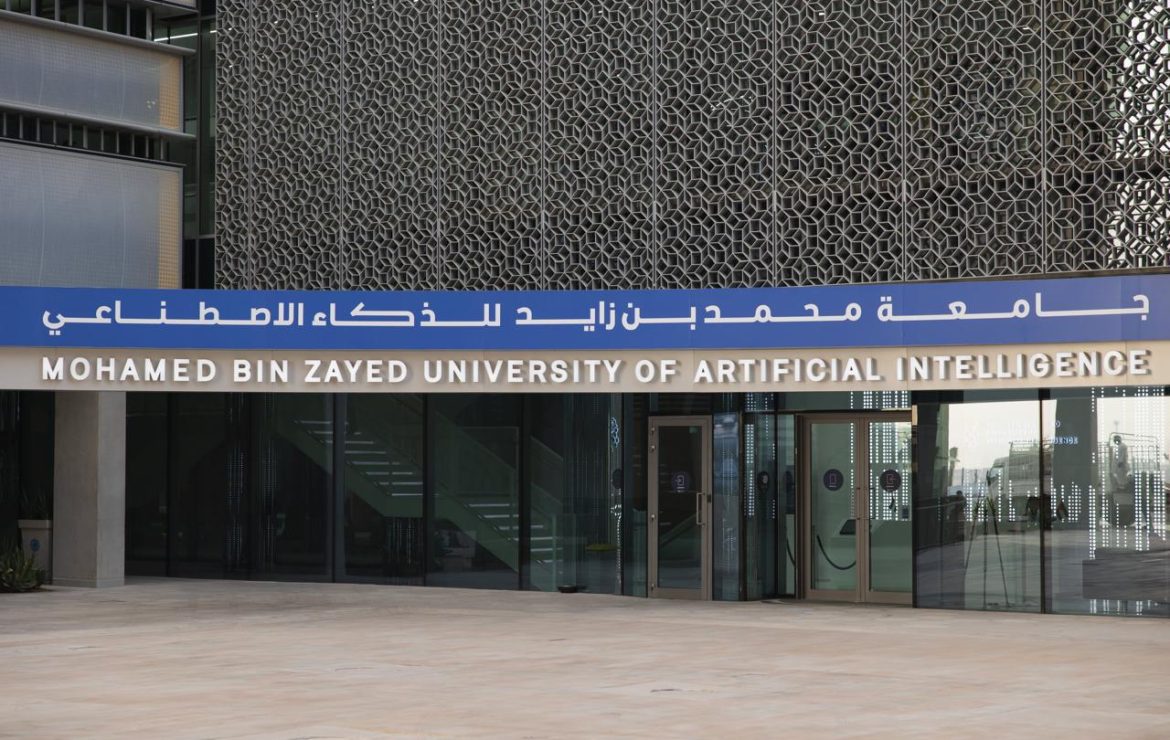
The United Arab Emirates continues to strengthen its position as a global hub for artificial intelligence talent development, with a growing focus on empowering young Emiratis to lead the next phase of technological transformation, in line with the objectives of UAE Vision 2031.
The country’s efforts are increasingly reflected in the work of Mohamed bin Zayed University of Artificial Intelligence, which has emerged as a key national pillar in building an integrated ecosystem for innovation, advanced research and the preparation of highly skilled AI professionals. The university continues to play a central role in reinforcing the UAE’s global standing in future technologies through sustained investment in knowledge, research and human capital.
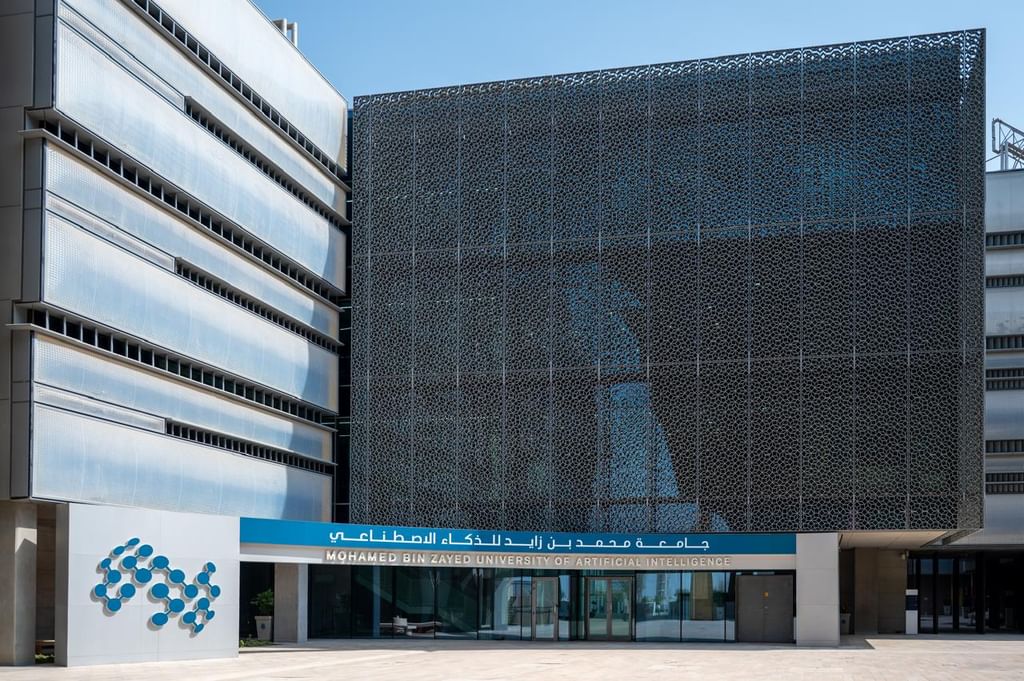
Since its establishment, Mohamed bin Zayed University of Artificial Intelligence has developed a distinctive academic and research model that combines specialised education with international collaboration and strong links between theoretical knowledge and real-world applications. This approach has contributed to the graduation of a new generation of researchers and innovators capable of shaping the future of artificial intelligence both regionally and globally.
Within this framework, the experiences of Emirati students highlight the tangible impact of this vision. Their academic and professional journeys reflect the university’s role in preparing national talent capable of turning ambition into measurable achievement.
Abdullah Al Mansouri, a PhD researcher in Machine Learning (Class of 2026), said his academic journey built upon a long-standing passion for advanced technologies, but it was his enrolment at Mohamed bin Zayed University of Artificial Intelligence that marked a turning point in his career.
He noted that the university provided him with a highly advanced research environment grounded in rigorous scientific methodologies and international expertise, enabling him to deepen his work in areas such as collaborative learning and intelligent system personalisation.
Al Mansouri added that the university goes beyond knowledge transfer, contributing to the development of researchers capable of producing original scientific output and competing at a global level. He said this model reflects the UAE’s broader direction towards building an integrated national research ecosystem, with the university as one of its core foundations.
His research focuses on advancing collaborative machine learning solutions that enable AI models to work together and adapt more efficiently to user needs. He is also involved in federated learning applications in partnership with healthcare entities, aiming to develop predictive models that enhance healthcare quality while preserving data privacy.
He emphasised that the true impact of such research lies in making advanced AI technologies more accessible to institutions and communities, enabling practical solutions that respond to real-world needs in line with the UAE’s vision of using technology to serve society.
Meanwhile, Bashayer Al Suraidi, a Master’s graduate in Machine Learning (Class of 2026), described her experience at Mohamed bin Zayed University of Artificial Intelligence as a transformative milestone in her professional journey, particularly as she joined the programme with a background in information security and no prior experience in artificial intelligence.
She explained that the university’s academic environment significantly accelerated her development through specialised supervision and a strong emphasis on early involvement in research. This approach resulted in a research project presented at an international conference, alongside initial steps towards filing a provisional patent application.
Al Suraidi said the university represents a world-class model of specialised education, combining theoretical depth with practical application, and offering students opportunities to train and collaborate with leading organisations in strategic sectors such as aviation and aerospace.
Her work focuses on developing scalable intelligent systems, with emphasis on practical applications in areas such as mental health, natural language processing, computer vision and process automation. She noted that the goal of these projects is to build reliable and responsible solutions that support decision-making and improve efficiency across sectors.
The experiences of both Al Mansouri and Al Suraidi underscore the pivotal role of Mohamed bin Zayed University of Artificial Intelligence in developing national talent capable of innovation, research excellence and meaningful impact. They also reaffirm that sustained investment in youth and knowledge remains the cornerstone of the UAE’s continued advancement in artificial intelligence.